
Search
Showing results for "early life"
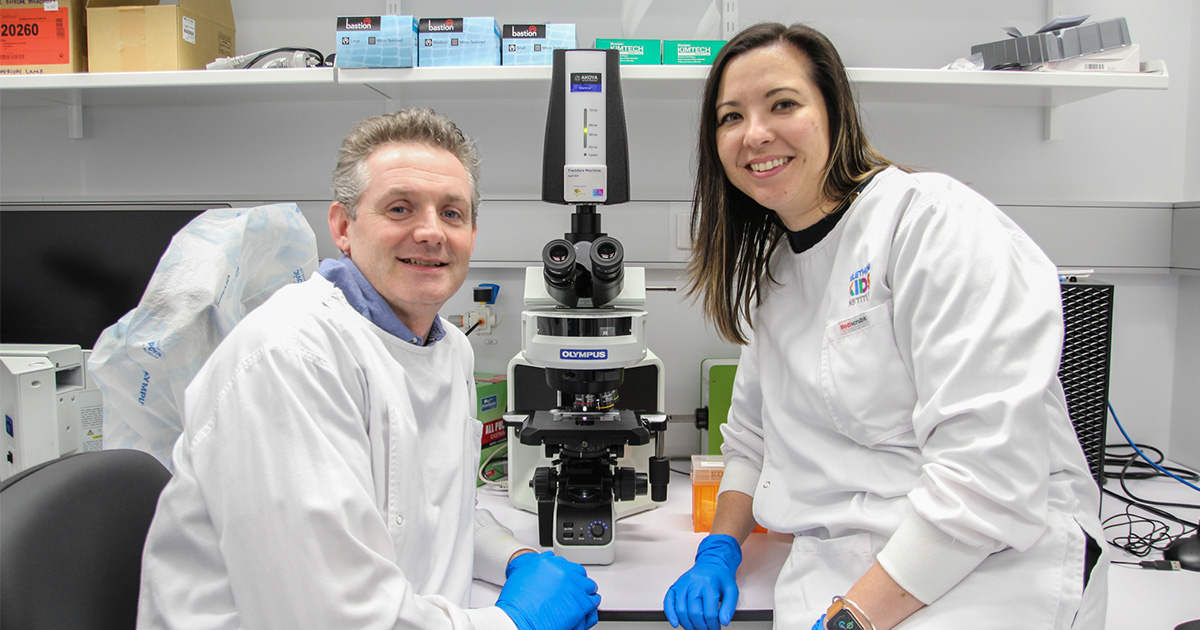
The WA Kids Cancer Centre has secured $1.1 million in funding from the Medical Research Future Fund’s (MRFF) Paediatric Brain Cancer Research Stream 2 to develop more effective and less toxic treatments for rare brain cancers in infants.

New research from The Kids Research Institute Australia has revealed that children and youth treated for Attention Deficit Hyperactive Disorder (ADHD) are more likely
Telethon Institute Researchers Win National Funding
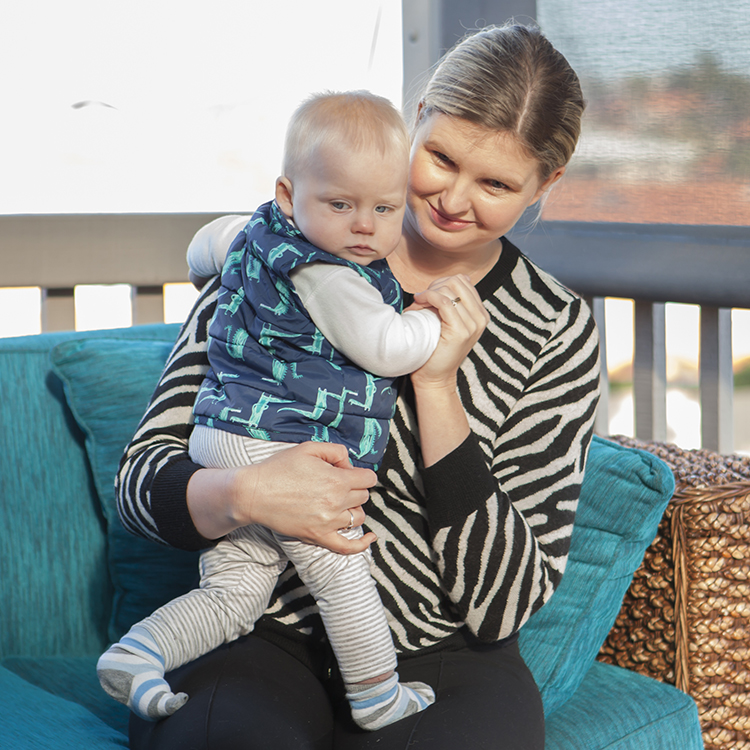
Epigenomic research at The Kids explores the links between childhood disease and the molecular hallmarks of epigenetic control.
We collected information on a monthly basis on the patterns of seizures and medications of 162 girls in the Australian Rett Syndrome study over a calendar year.
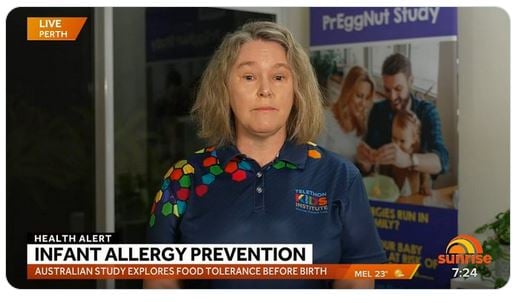
Dr Debbie Palmer spoke to Ch7 Sunrise about the changing advice for parents about the development of food allergies in kids.
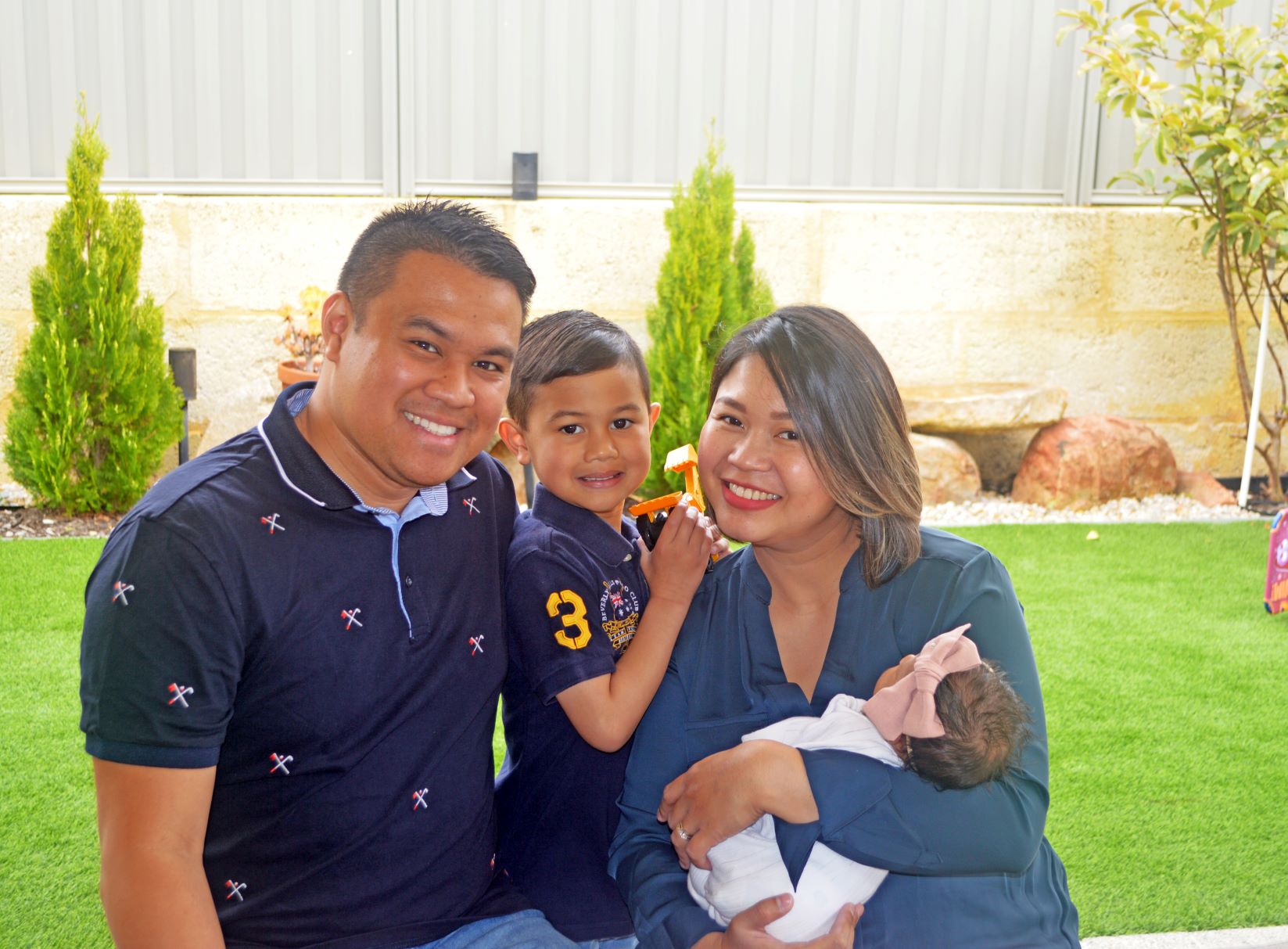
ORIGINS has recently welcomed its 4,000th family into the study.
Graham Hall BAppSci PhD CRFS FANZSRS FThorSoc FERS Honorary Research Associate Honorary Research Associate Professor Graham Hall is an
Dog walking is important for public health and dog welfare, yet some owners do not walk with their dogs regularly. This study examined factors associated with participation in regular dog walking and intention to dog walk, in order to inform physical activity interventions.
Research on the consequences of breakfast skipping among students tends to focus on academic outcomes, rather than student wellbeing or engagement at school. This study investigated the association between breakfast skipping and cognitive and emotional aspects of school engagement.