
Search
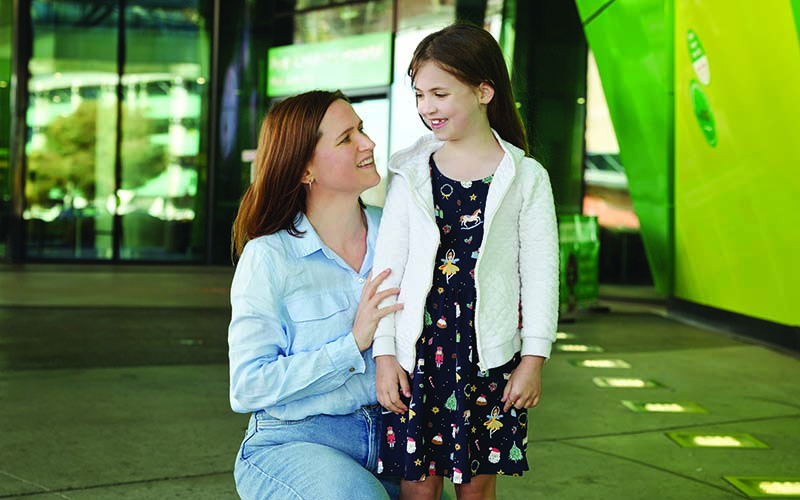
In late 2022, six-year-old Megan Hutton was living the dream of many kids her age as she celebrated being named runner-up champion athlete at her school sports carnival.

The Institute has become one of the world’s leading Strep A hubs, with multiple teams working in the Institute’s END RHD Program, headed by Associate Professor Asha Bowen, working to understand how Strep A works and find better ways to prevent and control the diseases it causes.
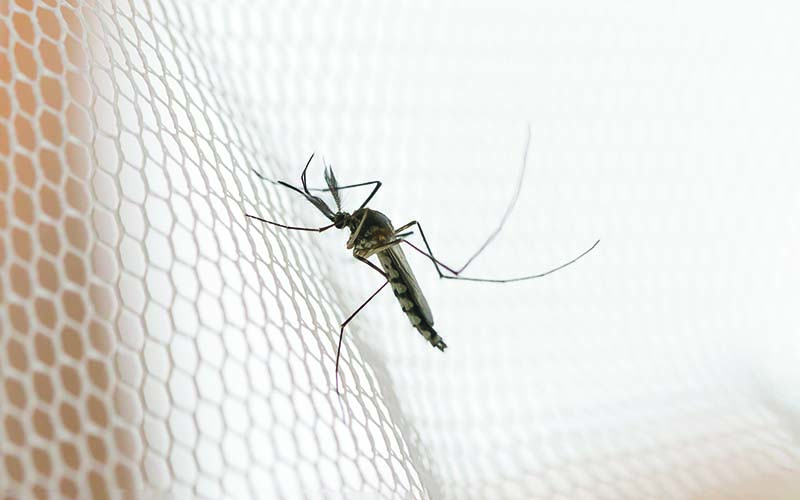
Global efforts led by The Kids Research Institute Australia’s Child Health Analytics program will see nations impacted by high rates of malaria empowered to develop their own controls and solutions.
This study aims to describe the risk factors and trends in birth prevalence of septo-optic dysplasia (SOD) and gastroschisis between 1980 and 2023. This descriptive, population-based study of SOD and gastroschisis used Western Australian Register of Developmental Anomalies data from 1980 to 2023. Birth prevalence was calculated using Midwives Notification System data for all births after 20 weeks gestation.
Transgender and gender diverse (“trans”) people are more likely to experience adverse mental health outcomes due to the social adversities that are commonly experienced. One ameliorating factor for poor mental health outcomes can be connection to community, often facilitated in online spaces such as TikTok.
Globally, Indigenous peoples have incurred significant harm due to colonisation of their lands. Dispossession of culture, language, family and land, and the historical, systematic removal of children in Australia (the ‘Stolen Generation’), has resulted in evident ongoing negative outcomes in the contemporary lives of Aboriginal and Torres Strait Islander people.
Desiree Silva MBBS, FRACP, MPH, PhD Co-Director, ORIGINS desiree.silva@thekids.org.au Co-Head, The ORIGINS Project Professor Desiree Silva is
Belief in the trustworthiness of other people is foundational to human interaction, and thus, there is interest in its assessment across many disciplines. However, disunity in approaches to its conceptualization has resulted in a myriad of measures. This review collates and systematically appraises self-report general trust measures for use in either children or adults; examining target age, type of trust assessed, and measurement and psychometric properties.
The relationship between ethnicity and mortality of patients critically ill with COVID-19 in Australia has not been described. Defining those communities at the highest risk of severe COVID-19 may assist with formulating effective public health policy and may improve the equitable delivery of health care in Australia.
This study explores the incidence of preoperative hypophosphatemia and whether hypophosphatemia may have affected patient or trial outcomes for those who received ferric carboxymaltose