
Search
Showing results for "early life"
The prevalence estimates of physical activity, sedentary behavior, and sleep (collectively known as movement behaviors) in 3- and 4-year-old children worldwide remains uncertain.
Sugar-sweetened beverages (SSBs) account for a significant proportion of sugar in the diet of children and are directly associated with obesity in this group. While there have been many studies on adolescent SSB consumption, few studies have examined the predictors of SSB consumption in primary-school-aged children. The aim of this study was to understand the degree to which a child's consumption across a range of beverages is influenced by their own attitudes and by their parents' attitudes and parents' consumption behaviours.
Background: Signs of clinical deterioration may appear differently in children with dark-coloured skin. How to assess children in this cohort is currently poorly defined. Aim: To explore available information on the assessment of clinical deterioration in children with dark-coloured skin and identify research deficits.
Eye-tracking could expedite autism identification/diagnosis through standardisation and objectivity. We tested whether Gazefinder autism assessment, with Classification Algorithm derived from gaze fixation durations, would have good accuracy (area under the curve [AUC] ≥ 0.80) to differentiate 2-4-year-old autistic from non-autistic children.
Dog ownership is a potential strategy for maintaining physical activity levels and supporting healthy aging. This study examined longitudinal effects of dog ownership and dog walking on physical activity and mental health in mid-to-older aged adults.

Read about the Research Focus Area Leads at the Children's Diabetes Centre.

Inklings is a program to support babies aged 6-18 months showing early differences in their social interaction and communication development.
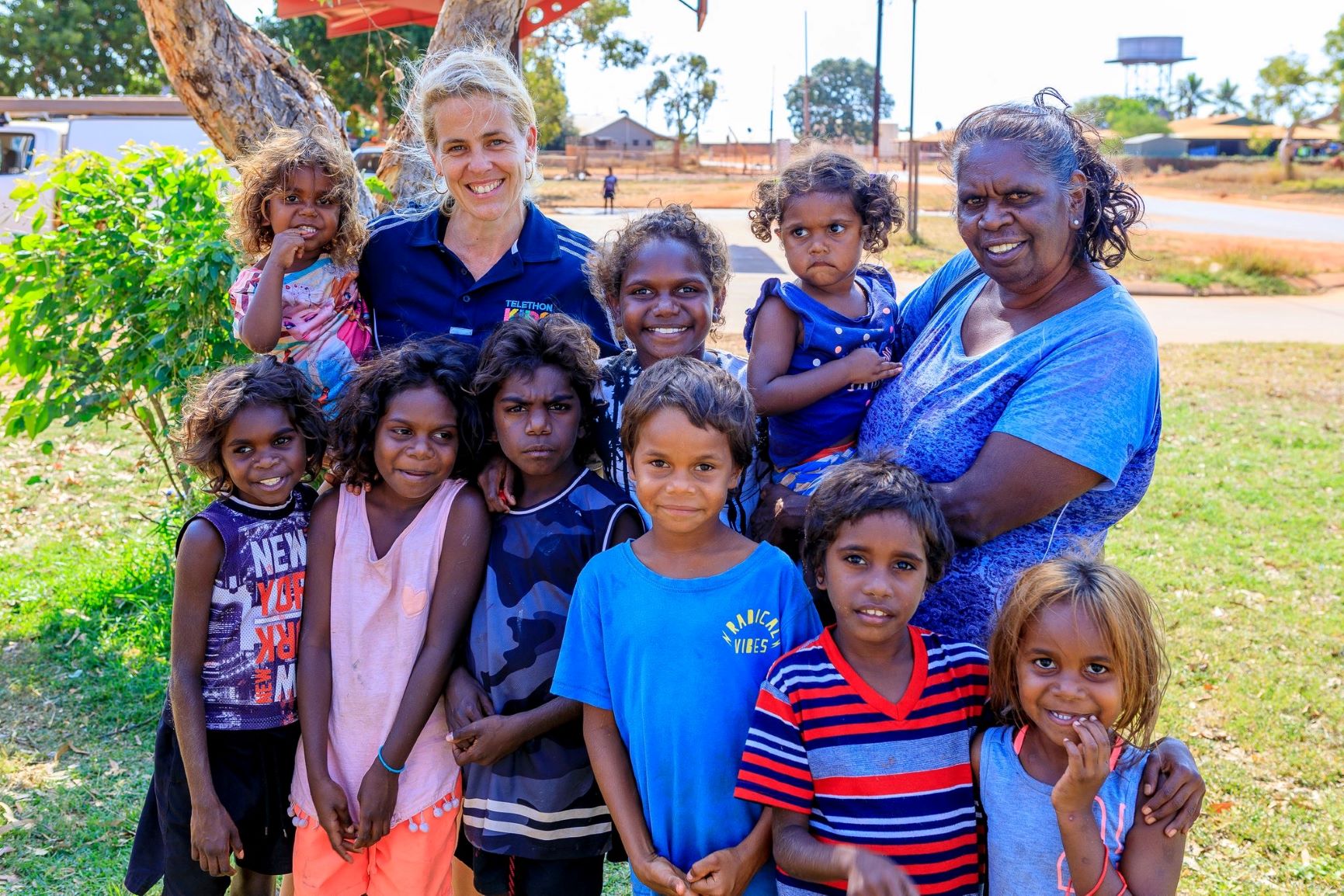
Respiratory illness accounts for 12% of the age-standardised gap in mortality between Indigenous and non-Indigenous Australians.
Dog ownership has been suggested to be positively associated with children's physical, social, and emotional development. This study investigated the effect of a mobile health dog-facilitated physical activity intervention on young children's social-emotional development and attachment to the family dog.
Knowledge of developmental trends in meeting age-specific 24-hour movement behaviour guidelines is lacking. This study describes developmental trends in device-measured physical activity and sedentary time over a three-year period among Western Australian children aged two to seven years, including differences between boys and girls.