
Search
Jaime Turnbull is an early-career public health researcher with a background in Aboriginal health and wellbeing.
Raheen Williams' staff profile

Amanda is a Certified Child Life Specialist and has a Bachelor of Science in Psychology and Master of Arts in Education with an emphasis on Child Life in Hospitals and Early Childhood Education.
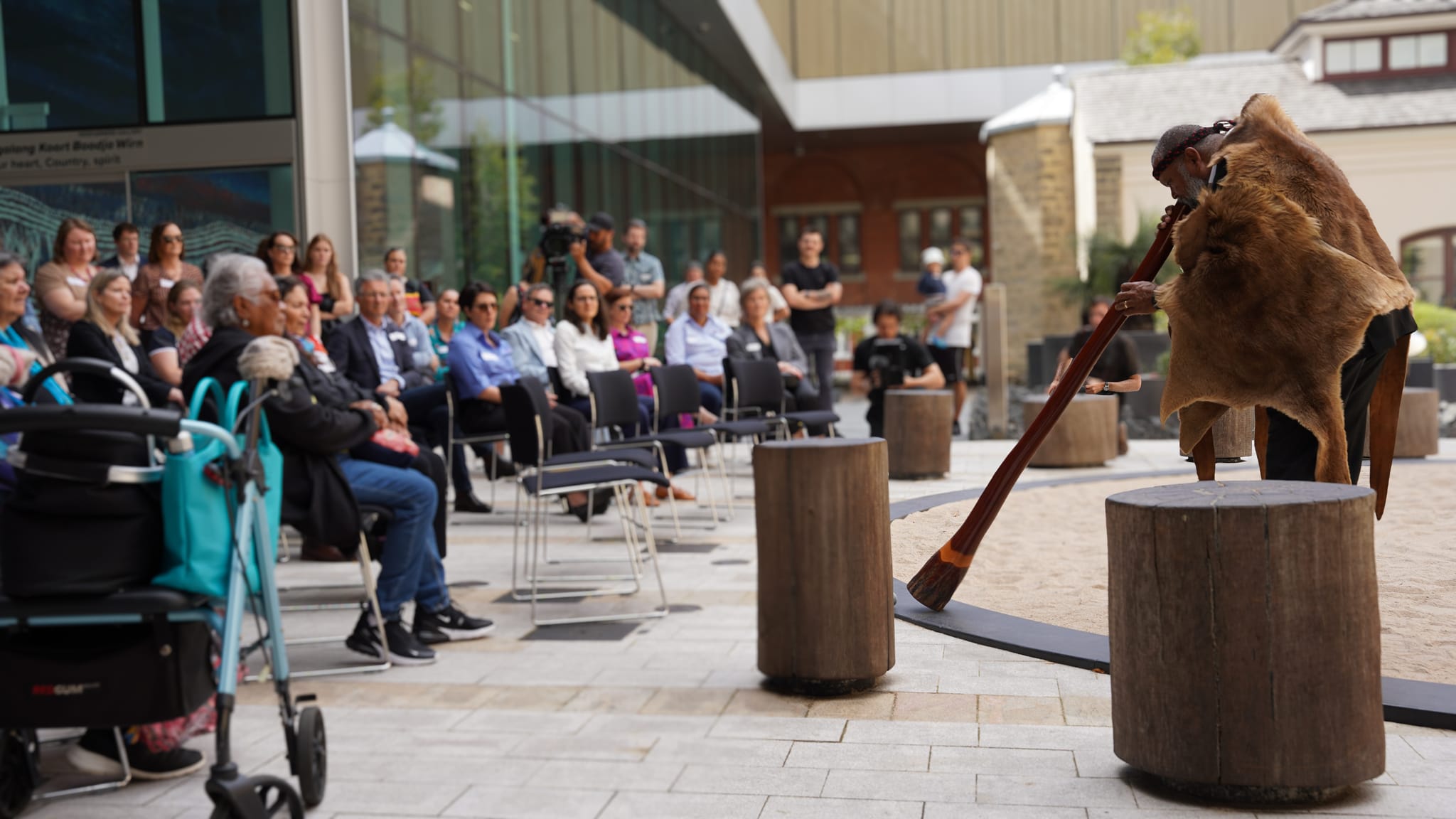
The impact of colonisation, genocide, and continuing discriminatory policies have created a context for ongoing disadvantage, trauma, and high rates of mental health issues for Aboriginal and Torres Strait Islander young people.
LGBTIQA + people experience intimate partner violence (IPV) at higher rates than non-LGBTIQA + people but under-utilize professional support services, and the reasons for this are poorly understood. This study examined IPV experiences, recognition of IPV, service utilization, and support needs among a self-selected sample of 523 LGBTIQA + adults in Western Australia.
Despite the various traumatic events that a young person living with type 1 diabetes (T1D) may experience, little is known about the burden and manifestation of traumatic stress in this population. Though mental health outcomes have been explored generally, medical trauma-sensitive approaches to understanding these experiences remain limited. We utilised a qualitative descriptive approach to explore the impact of T1D on young people’s mental health through the paediatric medical traumatic stress model.
Dissociative symptoms are associated with a range of negative outcomes, yet little is understood about how adolescents experience dissociation in their daily lives. This study aimed to describe adolescents’ dissociative symptoms from the perspective of adolescents, their parents, and their treating clinicians.
Children with serious burns often suffer psychosocial consequences. This study evaluated the pilot of a 6-session psychoeducational intervention newly designed to support the wellbeing of children who experienced burns.
Culturally unsafe mental health services contribute to persistent inequities for Aboriginal and Torres Strait Islander peoples, yet existing cultural safety frameworks lack clear, prioritised, community-endorsed implementation guidance. This study aimed to establish Aboriginal consensus on cultural safety principles, implementation priorities and practical actions for culturally safe mental health services.
Parents of young children with type 1 diabetes (T1D) are at risk of experiencing elevated stress due to their responsibilities as caregivers. Despite this, there are limited interventions designed to enhance resilience in this population of parents. This pilot randomised controlled trial aimed to examine the acceptability, appropriateness, and feasibility of the Promoting Resilience in Stress Management for Parents (PRISM-P) intervention in parents of young children with T1D.