
Search
Showing results for "early life"
Adolescence is a period of rapid transformation when meeting targets for optimal diabetes care is often challenging due to competing life demands. For more than two decades a diabetes transition clinic in Sydney, Australia, has sustained positive outcomes and demonstrated aspects of resilience in the care of individuals living with type 1 diabetes (T1D) who have transitioned from paediatric to adult care. Many studies have focused on resilience in acute care setting showever, studies that examine the factors that support resilience in settings that care for individuals with long-term, chronic conditions such as T1D are lacking.
The primary objective was to determine whether a behaviour change intervention delivered to hospital staff would (1) improve the proportion of Aboriginal and/or Torres Strait Islander (Aboriginal) babies being registered and (2) reduce hospital admissions and emergency presentations for babies <6 months old. The secondary objective was an observational analysis to determine factors that might influence the proportion of registered Aboriginal births in Western Australia.
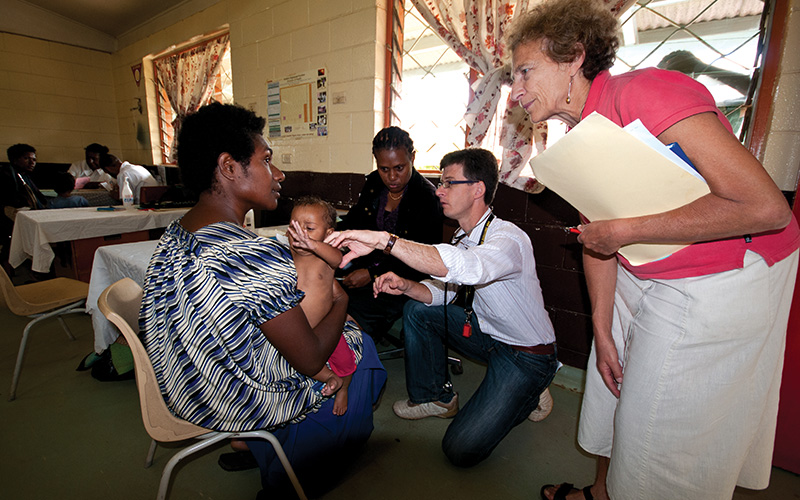
New research has revealed the extraordinary impact of a collaborative project between The Kids Research Institute Australia and the Papua New Guinea Institute of Medical Research, with rates of hospitalisation for pneumonia dropping by nearly 60 per cent thanks to the introduction of the pneumococcal vaccine
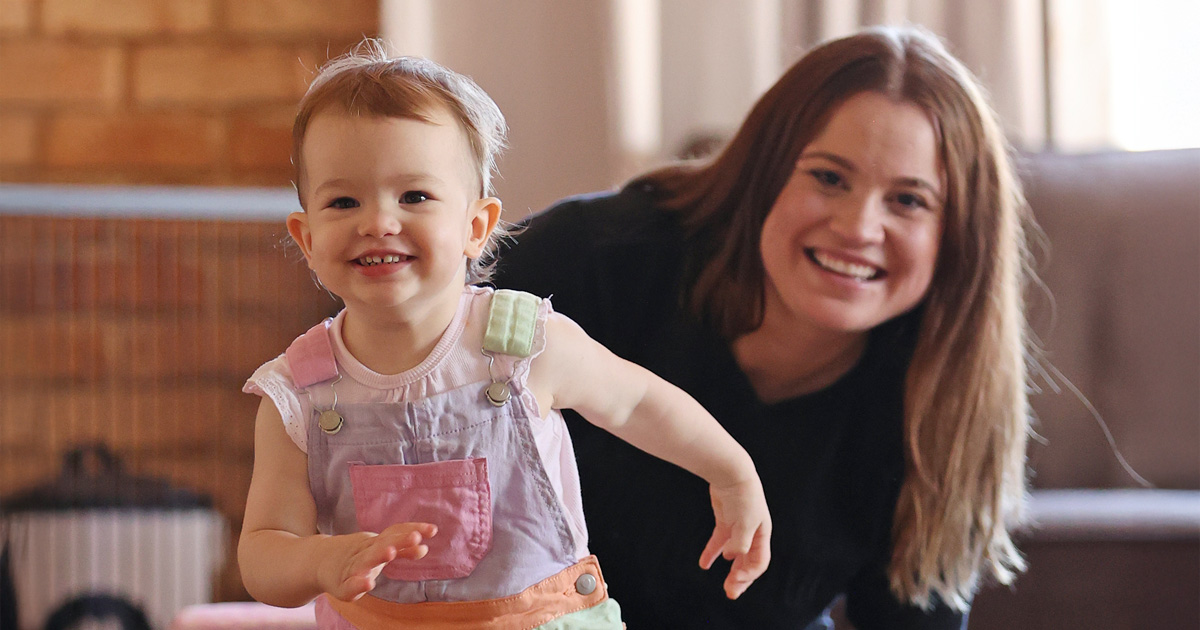
Imagine you had a healthy daughter one day and the next being told she has an incurable condition that requires day-to-day care and insulin treatment to stay alive.
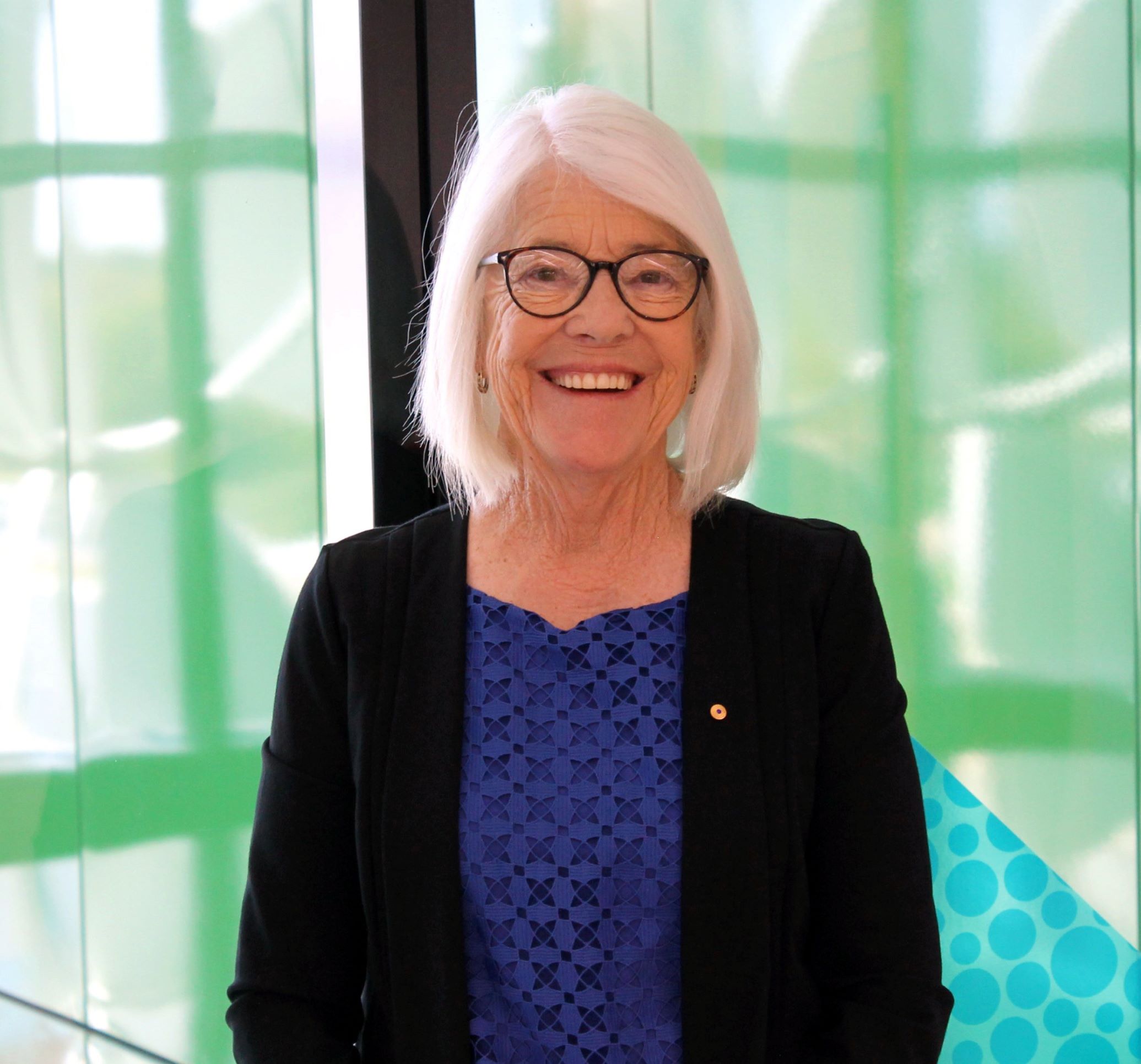
A legal change fought for by The Kids, consumer advocates, and others within the health sector – and hastened by the COVID-19 crisis – has brought WA into line with the rest of Australia, allowing critically ill or incapacitated patients access to potentially life-saving clinical trials.
Respiratory disease is a leading cause of hospitalisations in children with cerebral palsy (CP). Over 40% of individuals with CP are born preterm; however, the relationship between prematurity, CP and respiratory disease is unknown.
This unprecedented longitudinal twin study focused on the arc of language acquisition from first words to adolescence, with data collection at 2, 4, and 6 years of age, reported in four previous studies and now new data at ages 9 and 14 years.
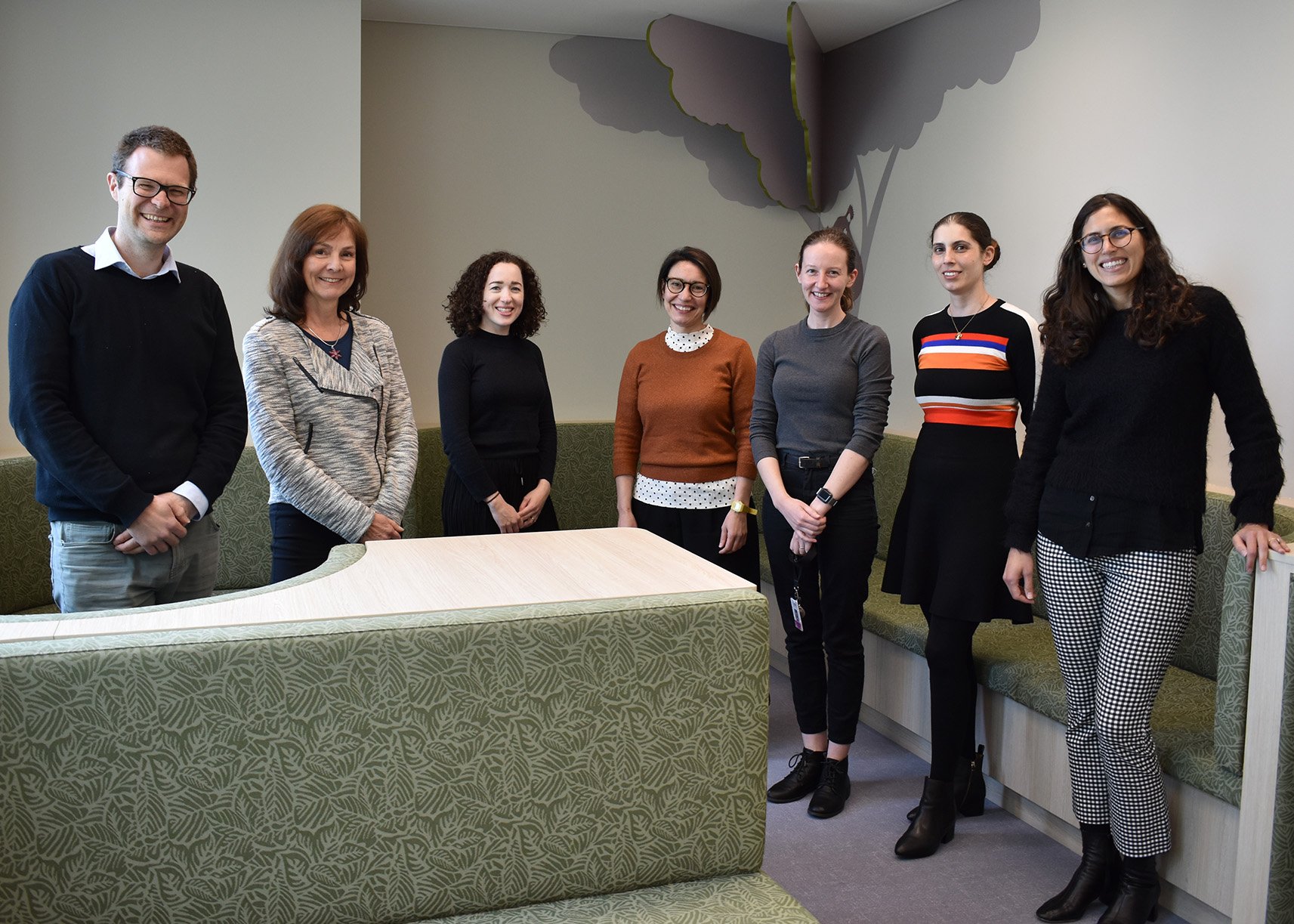
For Speech Pathology Week, we asked our speech pathologists to share their favourite resource/s and how they like to use it.
The question of whether or not parents should monitor their children’s social media often triggers a lot of follow up questions.

Parents of young children with type 1 diabetes experience significantly better quality of life and reduced fear of hypoglycaemic episodes when given remote access to their child's continuous glucose monitoring, new Children's Diabetes Centre research has found.