
Search
Showing results for "early life"
This study examined how families with young children access and use different types of blue spaces and the health and development benefits, and potential negative effects.
In Western Australia, community pharmacists are authorized to administer a range of vaccines without a prescription. Since mid-July 2021, pharmacists can also administer Coronavirus Disease 2019 (COVID-19) vaccines. Little is known about how pharmacists think and feel about giving and receiving COVID-19 vaccines and how they discuss it with patients.
Affecting one in 20 children, Developmental Coordination Disorder (DCD) is a common neurodevelopmental disorder impacting a child's ability to learn motor skills. Despite its high prevalence, DCD is under-recognized and under-diagnosed, causing unnecessary frustration and stress for families who are seeking help for their child. This study aimed to understand how parents procure diagnostic services and their perspectives on needed supports and services to improve early identification and diagnosis of DCD.
Regular physical activity is important for children's physical and mental health, yet many children do not achieve recommended amounts of physical activity. Dog ownership has been associated with increased physical activity in children, however, there have been no longitudinal studies examining this relationship.
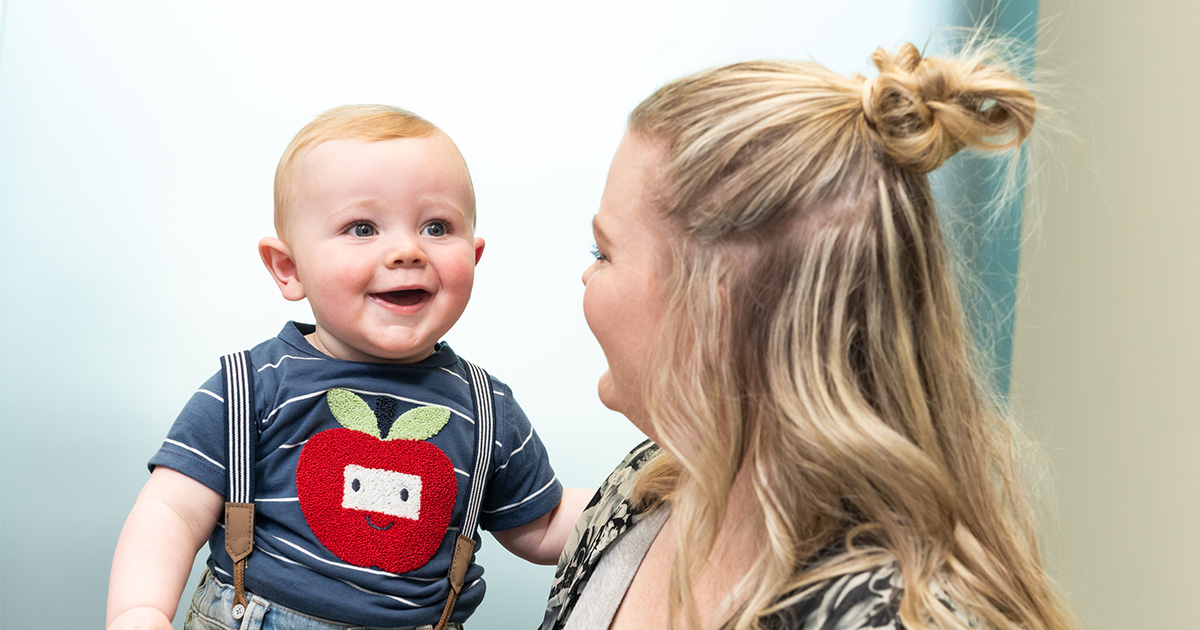
Inklings is a program to support babies aged 6-18 months showing early differences in their social interaction and communication development.
Tom Snelling BMBS DTMH GDipClinEpid PhD FRACP Head, Infectious Disease Implementation Research 08 6319 1817 tom.snelling@thekids.org.au Head,
This project will explore in detail the role of two known risk factors for cerebral palsy: assisted reproductive technology and congenital anomalies.
Sugar-sweetened beverages (SSBs) account for a significant proportion of sugar in the diet of children and are directly associated with obesity in this group. While there have been many studies on adolescent SSB consumption, few studies have examined the predictors of SSB consumption in primary-school-aged children. The aim of this study was to understand the degree to which a child's consumption across a range of beverages is influenced by their own attitudes and by their parents' attitudes and parents' consumption behaviours.
The majority of Australian children exceed the World Health Organization's recommended dietary intake of free sugar, particularly through the consumption of sugar-sweetened beverages. Front-of-pack nutrition labels increase perceived risk and deter the consumption of sugar-sweetened beverages.
Eye-tracking could expedite autism identification/diagnosis through standardisation and objectivity. We tested whether Gazefinder autism assessment, with Classification Algorithm derived from gaze fixation durations, would have good accuracy (area under the curve [AUC] ≥ 0.80) to differentiate 2-4-year-old autistic from non-autistic children.