
Search
This study compared the behavior profile of cases in the Australian Rett Syndrome Database (ARSD) with those in a British study using the Rett Syndrome...
The Advisory Council on the Prevention of Deaths of Children and Young People today officially released this report.
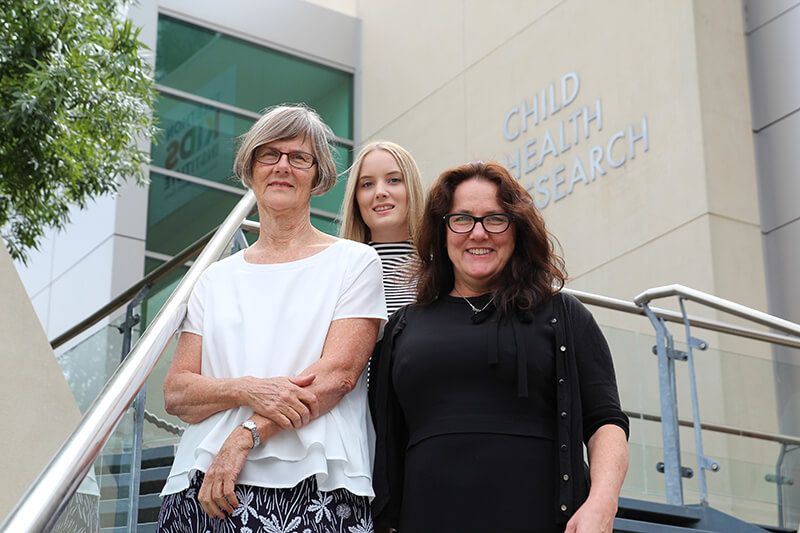
Nine out of ten incarcerated youth examined by The Kids researchers as part of a ground-breaking study had some form of neuro-disability.
The Kids Research Institute Australia researchers have confirmed that skin infections in many Aboriginal children across northern Western Australia are going unrecognised.
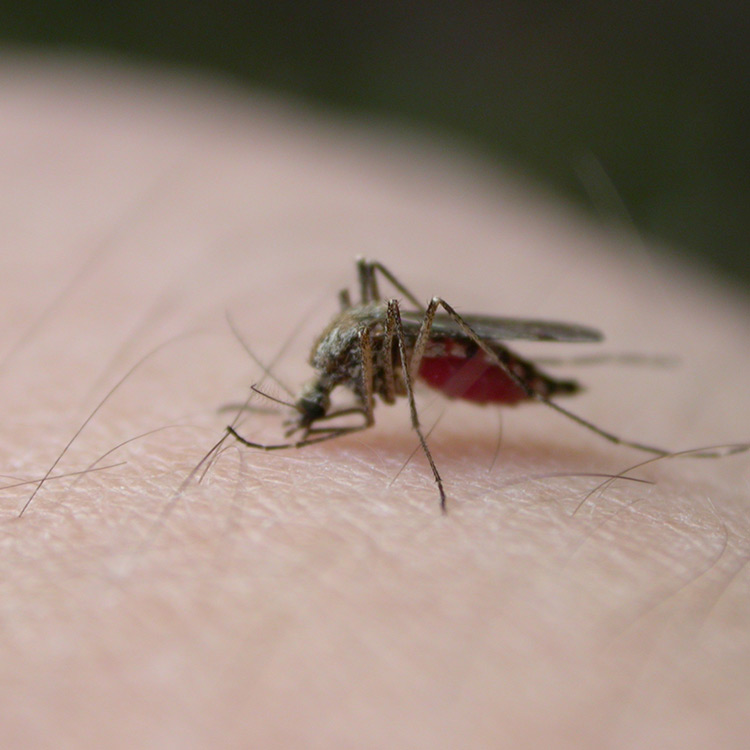
WA Researchers have conducted an Australian-first study to determine the prevalence of microcephaly, in preparation of any future outbreak of the Zika virus.
he increasing adoption of high-throughput "omics" technologies has heightened the demand for standardized, scalable, and reproducible bioinformatics workflows. Nextflow and nf-core provide a robust framework for researchers, particularly early- and mid-career researchers (EMCRs), to navigate complex data analysis.
Gliomas are the most common type of malignant primary central nervous system (CNS) tumors, resulting in significant morbidity and mortality in children and adolescent and young adult (AYA) patients. The discovery of mutations in isocitrate dehydrogenase (IDH) genes has dramatically changed the classification and understanding of gliomas. IDH mutant gliomas have distinct clinical, pathological, and molecular features including a favorable prognosis and response to therapy compared to their wildtype counterparts.
Influenza and COVID-19 vaccine uptake among pregnant women is sub-optimal. We assessed the effectiveness of a multi-component behavioural nudge intervention to improve COVID-19 and influenza vaccine uptake among pregnant women.
Loneliness is an unavoidable facet of human existence. When chronic and intense, adolescent loneliness is associated with maladjustment over time. A prospective multiple-cohort study examined the links between child-reported loneliness and coping skills and parent-rated child mental health in early adolescence, with a total of 266 students from 75 primary and 152 secondary schools.
Preterm birth is associated with a 3.3-fold increased likelihood of autism diagnosis, with lower gestational age conferring higher likelihood. In Australia, autism is typically diagnosed at around age four, potentially missing the optimal neuroplasticity window before age two. The Social Attention and Communication Surveillance-Revised (SACS-R) tool identifies early autism signs in children aged 11-30 months, enabling pre-emptive intervention.