
Search
Showing results for "early life"
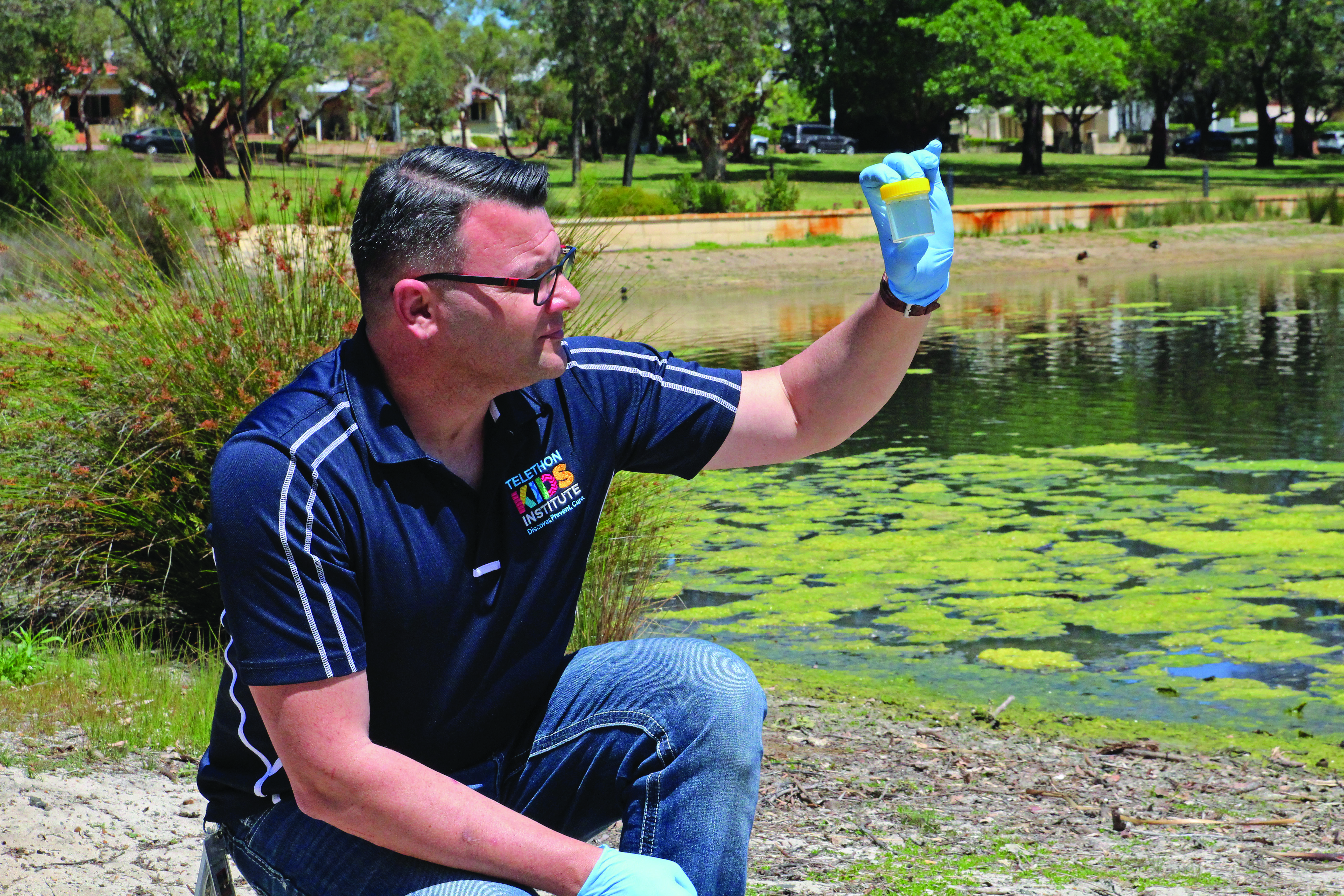
Perth researchers discovered a naturally occurring virus living in the city’s waterways that could potentially fight antibiotic-resistant superbugs.
Burn injuries are devastating traumas, often leading to life-long consequences that extend beyond the observable burn scar. In the context of the nervous system, burn injury patients commonly develop chronic neurological disorders and have been suggested to have impaired motor cortex function, but the long-lasting impact on neurons and glia in the brain is unknown.
The spectrum of diseases caused by Streptococcus pyogenes (Strep A) ranges from superficial to serious life-threatening invasive infections. We conducted a scoping review of published articles between 1980 and 2021 to synthesize evidence of state transitions across the Strep A disease spectrum. We identified 175 articles reporting 262 distinct observations of Strep A disease state transitions.
Non-communicable diseases (NCDs) such as cancer, diabetes, heart disease, mental disorder and chronic lung conditions are the leading cause of death and disability in Indonesia. Adolescence is when risks for NCDs emerge and it is also an important life stage for intervention, yet young people are often at the margins of NCD policy and actions.
Recurrences of herpes simplex virus (HSV) in the orofacial region (herpes labialis or cold sores) impact quality-of-life. We aimed to study whether the bacille Calmette-Guérin (BCG) vaccine can attenuate cold sore recurrences through off-target immunomodulatory effects.
To establish the burden of respiratory illness in cerebral palsy (CP) on the Western Australian health care system by quantifying the costs of respiratory hospitalizations in children with CP, compared with non-respiratory hospitalizations.
Few studies have examined associations between gender non-conformity (GNC) in childhood or adolescence and mental health outcomes later in life. This study examined associations between GNC and mental health over multiple time points in childhood and adolescence, and GNC in childhood and/or adolescence and mental health in adulthood.
Chronic tinnitus during childhood/adolescence can be associated with impaired quality of life. Guidelines for managing paediatric tinnitus recommend assessment and interventions are often based upon the experiences and opinions of guideline committee members.
The media plays a powerful role in shaping health-related attitudes and behaviours. We investigated media reports about children's independent mobility (CIM) and associations with parental attitudes towards CIM. CIM-related media reports (newspaper, online, television) during a 3-month period were extracted from two databases.
Bullying varies in frequency, intensity, duration and hence severity, and contributes uniquely and directly to mental health problems, with severe and long-lasting consequences. Almost a half of school-age students report being bullied in the past year.