
Search
Showing results for "early life"

A family link to type 1 diabetes has seen twins Nina and Lara Buonvecchi pursue study in health science – and join the Children’s Diabetes Centre to complete their pracs.
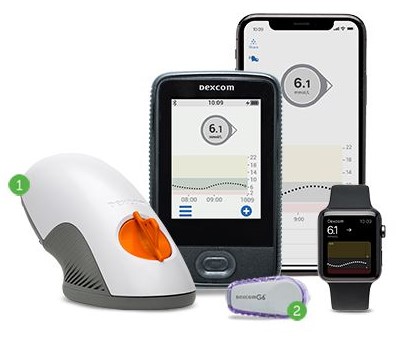
The Dexcom G6 Continuous Glucose Monitoring (CGM) system has been approved by the Therapeutic Goods Administration (TGA) for use in Australia.

Our research team have been working with young people with type 1 diabetes to design and develop an app that contains guidelines and advice for what to do when you are being physically active.

The period of transition between paediatric (child) services and adult-based services is a sensitive one for patients with diabetes.

Learn more about the background and motivations of END RHD CRE Research Fellow Simone Reynolds.
Elliot's life was stolen by brain cancer when he was only 4 years old, so his parents channeled their sorrow by setting up the Telethon Adventurers. Read more.
Teachers play a vital role in developing children's sun protection routines however upskilling preservice teachers (PSTs) while at university has not yet been trialled as a targeted skin cancer prevention strategy. Hence, this study investigated PSTs perceptions and experiences of sun safety following a brief pilot intervention and placement in primary schools in Western Australia.
Young men aged 18-25 years are at disproportionately increased risk for gambling problems compared to their older or female counterparts. The unique mechanisms that precipitate these problems in this group remain unclear. Data from the largest longitudinal cohort study on Australian men's health (the Ten to Men Study) were used to identify the psychosocial, health-related, and gambling-related behavioral predictors of problem gambling severity in 265 young men aged 18-25 years. Hierarchical multiple ordinal logistic regression analyses found these predictors to explain a moderate proportion of variance in problem gambling severity.
Sex and intrauterine growth restriction independently affect diaphragm contraction in adult mice without changes in structure
High fractional exhaled nitric oxide and sputum eosinophils are associated with an increased risk of future virus-induced exacerbations.