
Search
Showing results for "early life"
To understand the biology and life cycle of Trypanosoma copemani, the growth requirements, and kinetics of infection of two new genotypes were investigated
To determine High Grade Glioma patients' levels of distress and quality of life during combined chemoradiotherapy, explore predictors of distress and quality...
Targeted public health approaches are required to manage the high prevalence of vitamin D deficiency in migrants retaining a traditional lifestyle
Long-term physical and mental health outcomes of ART singletons are generally reassuring. There is a scarcity of information on health service utilization...
Breastfeeding within the first hour of life has been shown to reduce high neonatal mortality by 22%.
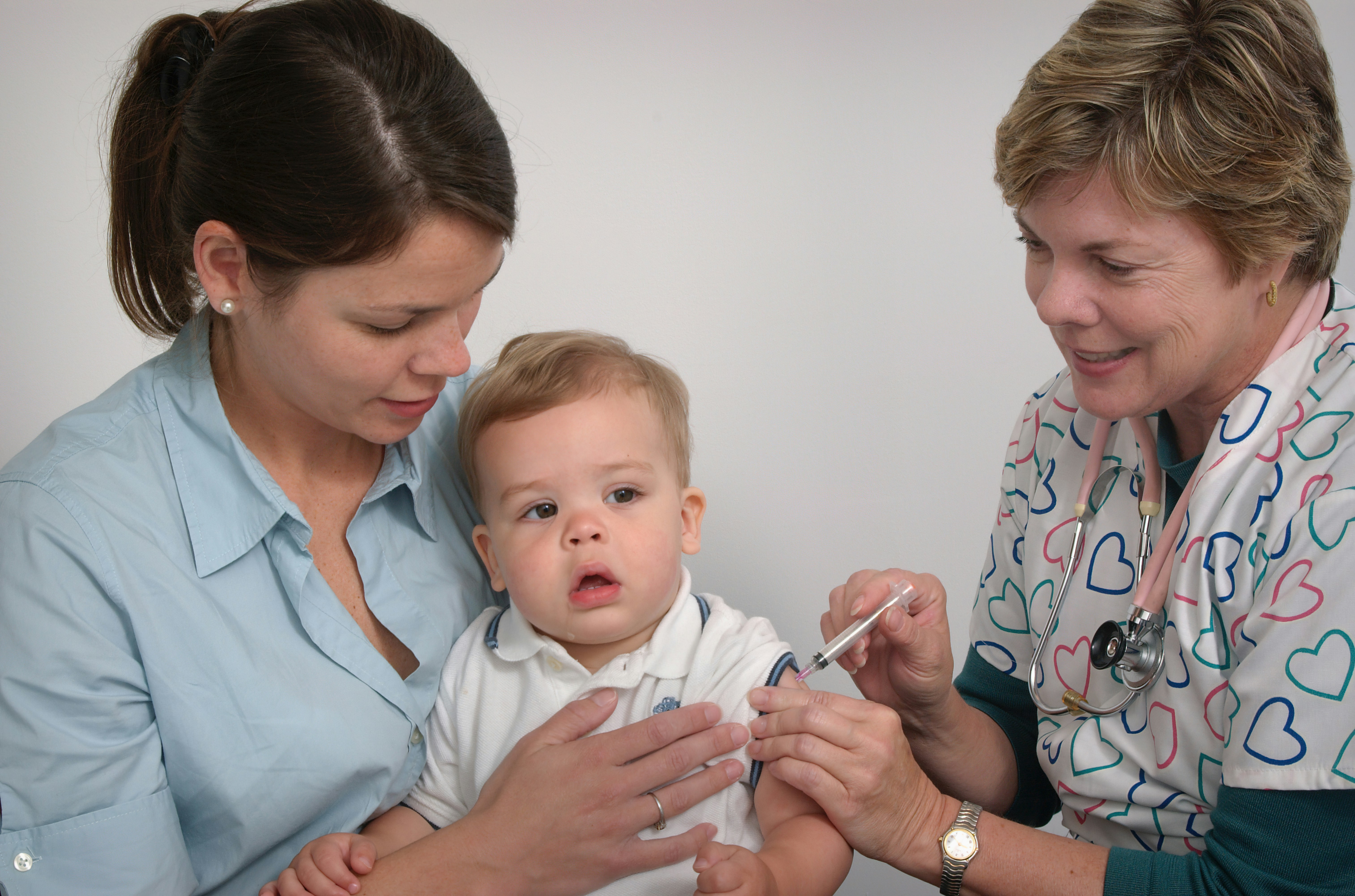
Researchers at The Kids Research Institute Australia have helped map the global impact of life saving vaccines to mark the 50-year anniversary of the Expanded Programme on Immunisation (EPI).

The Kids Research Institute Australia researchers are developing a mobile phone app that will give you tailored advice for your skin type.
In Australia, the health and education sectors provide universal early childhood services for the same population of children. Therefore, there is a strong imperative to view service use and outcomes through a cross-sectoral lens to better understand and address the service needs of young children and their families.
Larger samples of patients are needed to better understand if the differentiation between very early onset psychosis and early onset psychosis is justified
Monoclonal antibodies are revolutionizing the landscape of current cancer treatment, bringing hope to patients with incurable cancers. B7-H3 (CD276) is an attractive therapeutic target for antibody-based therapy due to its low or absent expression in normal tissues and high expression in various types of tumors, including prostate cancer, pancreatic cancer, and high-mortality esophageal squamous cell carcinoma (ESCC). In recent years, various B7-H3-targeting antibodies have been developed for cancer treatment, with a few making their way to clinical trials.