
Search
The Life Course Centre is a national centre funded by the Australian Research Council Centre of Excellence Scheme and hosted through the University of Queensland with collaborating nodes at the University of Western Australia, Sydney University and University of Melbourne.

The Kids Research Institute Australia researchers went into 79 WA primary and secondary schools in 2020.

Our Child Health Analytics Team uses cutting-edge technologies to better understand how and why the health and wellbeing of children varies from place to place. We develop innovative geospatial methods that can harness large, complex datasets to pinpoint hotspots of elevated risk, evaluate change through time, and explore underlying drivers.
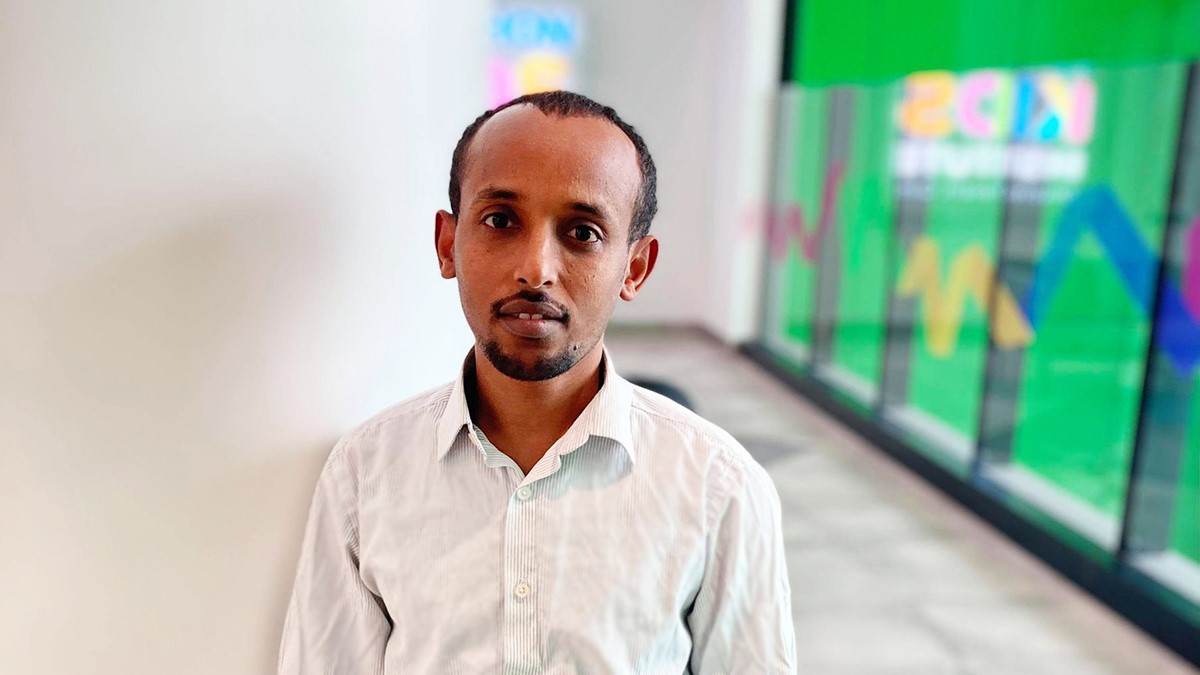
A regional corner of Africa is a hotspot for cases of HIV, tuberculosis and malaria, prompting researchers to call for targeted health support rather than a national response.
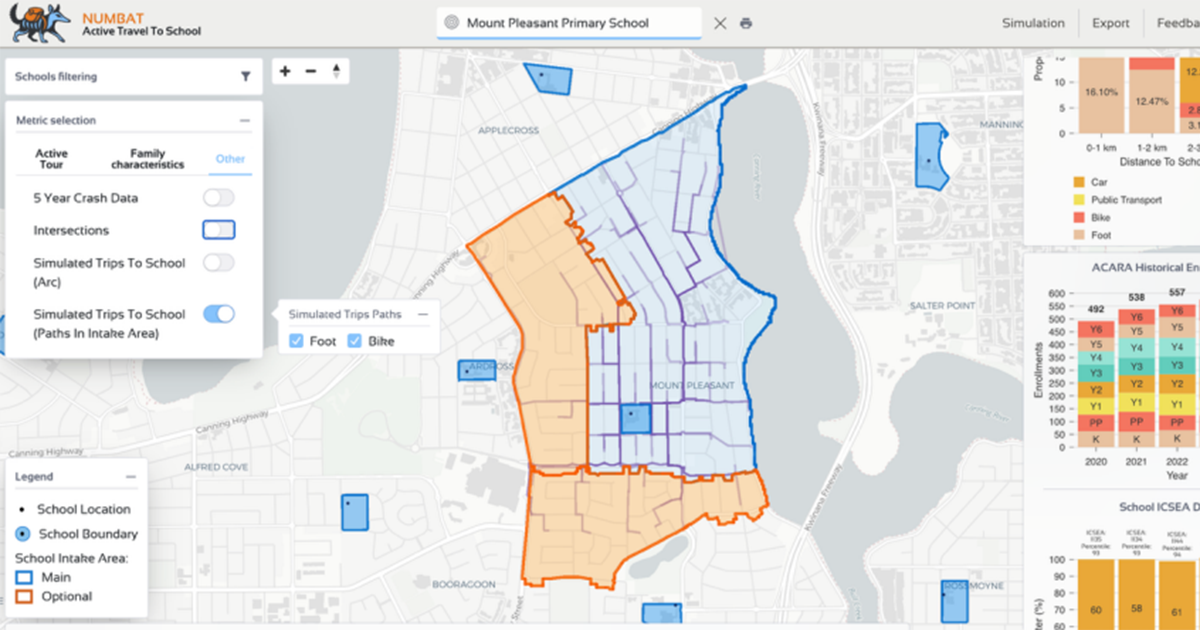
A powerful new digital modelling tool is helping tackle an emerging challenge in children’s health – the dramatic decline in walking and cycling to school.
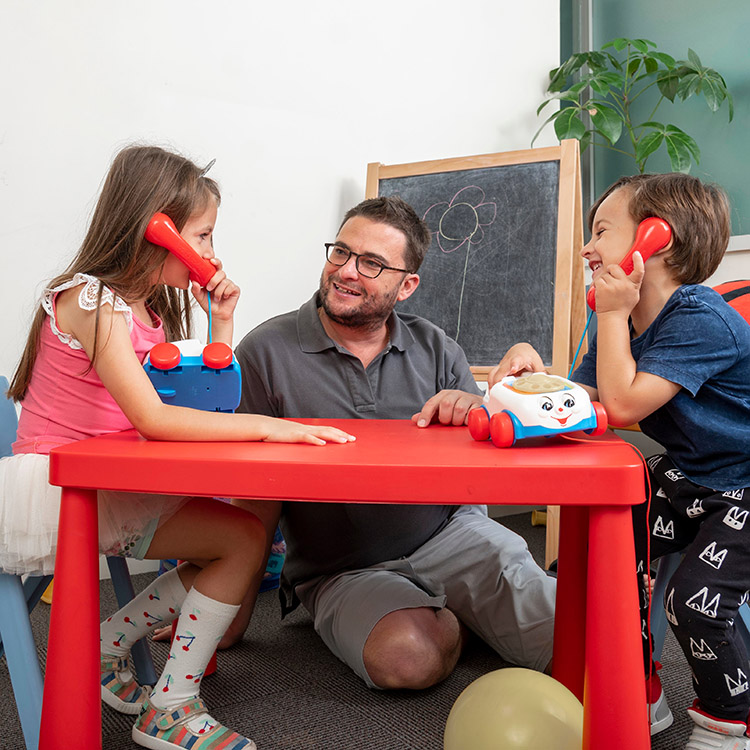
Our team is comprised of well experienced clinicians who can support your child and family.

In this new blog, Senior Clinical Psychologist Rebecca Eaton offers families advice on how to support siblings of autistic children.
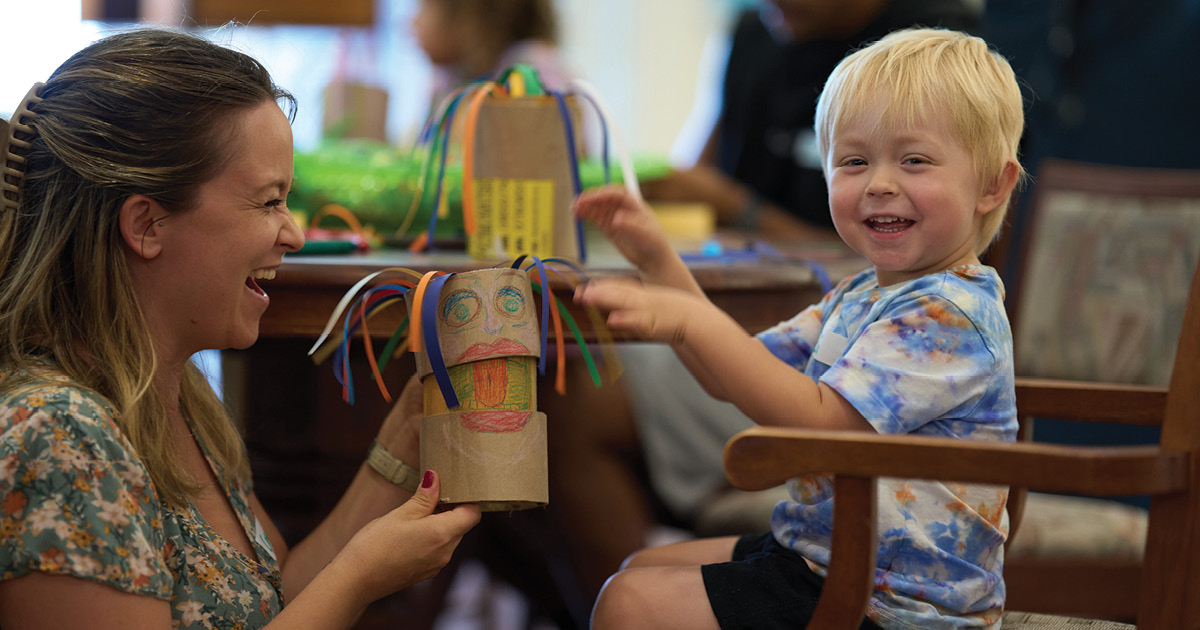
When author Maurice Sendak first sketched out the story of a rambunctious little boy sent to his room without supper, there’s no way he could have known his rollercoaster tale of childhood imagination would still be speaking to the hearts of wild young things more than six decades on.
This study explored mental health profiles in Australian school students using indicators of well-being (i.e., optimism, life satisfaction, and happiness) and psychological distress (i.e., sadness and worries). The sample included 75,757 students (ages 8-18 years) who completed the 2019 South Australian Wellbeing and Engagement Collection.
Globally, as scale up of early childhood education (ECE) continues, monitoring ECE quality is imperative to promote service aspects that drive positive outcomes for children. Monitoring of ECE quality in low- and middle-income countries (LMICs) is scarce, limited by challenges in varied conceptualisations of quality, lack of measurement tools that reflect local culture and context, and implementation difficulties in low resource settings.