
Search
Showing results for "early life"
There is limited evidence on heterogenous co-developmental trajectories of internalizing and externalizing problems from childhood to adolescence and predictors of these joint trajectories. We utilized longitudinal data from Raine Study participants to identify these joint trajectories from 5 to 17 years using parallel-process latent class growth analysis and analyze childhood individual and family risk factors predicting these joint trajectories using multinomial logistic regression.
LGBTIQA + people experience intimate partner violence (IPV) at higher rates than non-LGBTIQA + people but under-utilize professional support services, and the reasons for this are poorly understood. This study examined IPV experiences, recognition of IPV, service utilization, and support needs among a self-selected sample of 523 LGBTIQA + adults in Western Australia.
STUDY QUESTION: Does mental health and behaviour differ between those conceived with and those conceived without ART? SUMMARY ANSWER: Our study observed less externalizing behaviour (delinquent/aggressive), and more parent-reported internalizing behaviour, as well as more (clinical) depression at age 14 years, in adolescents conceived after ART compared to their non-ART counterparts.
Learn more about all of the Clinical Trials, Platforms & Cohorts at the Wal-yan respiratory centre.
Once thought to be a simple barrier to the external environment, epithelial cells are involved in many repair and inflammatory processes that occur in childhood airway diseases.
An NHMRC grant exploring epigenetic factors that affect wheezing and asthma development.
The Vaccine Trials Group was formed in March 1999 to provide a coordinated approach to the development, delivery, assessment and promotion of vaccines.
CHIP Study Update

This project aims to examine whether maternal probiotic supplementation promotes an enhanced immunomodulatory breastmilk composition likely to promote infant oral tolerance, and reduce food allergy in breastfed children.
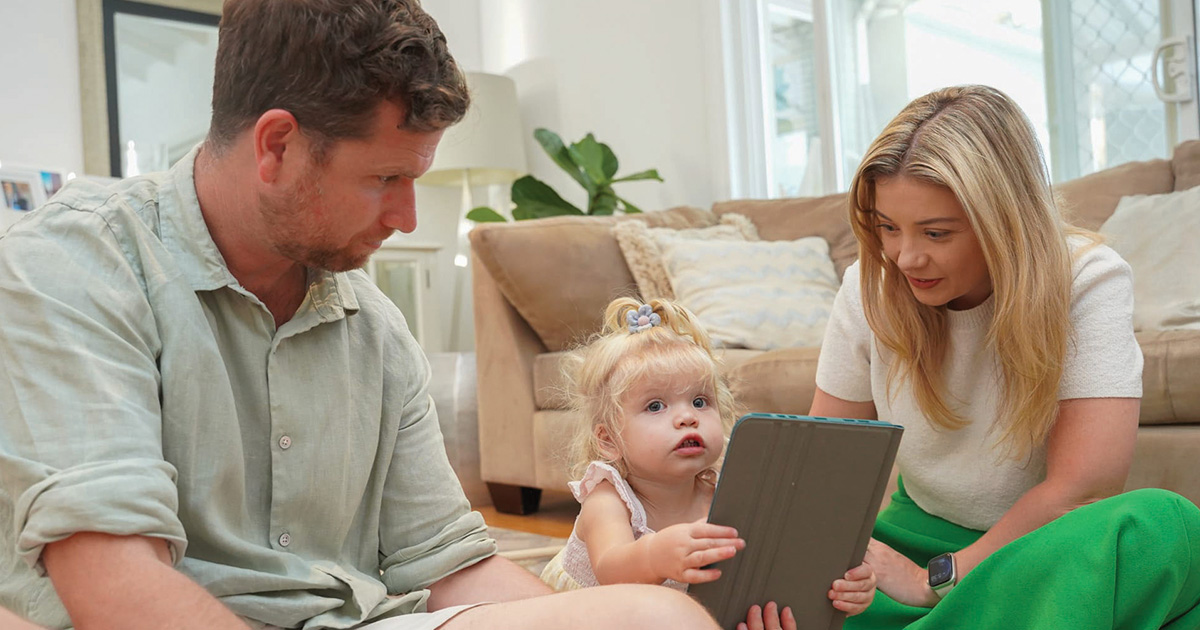
Toddlers exposed to screen time at home are hearing fewer words and making fewer vocalisations, findings from the first longitudinal study to measure the relationship between family screen use and children’s language development have shown.