
Search
Showing results for "early life"
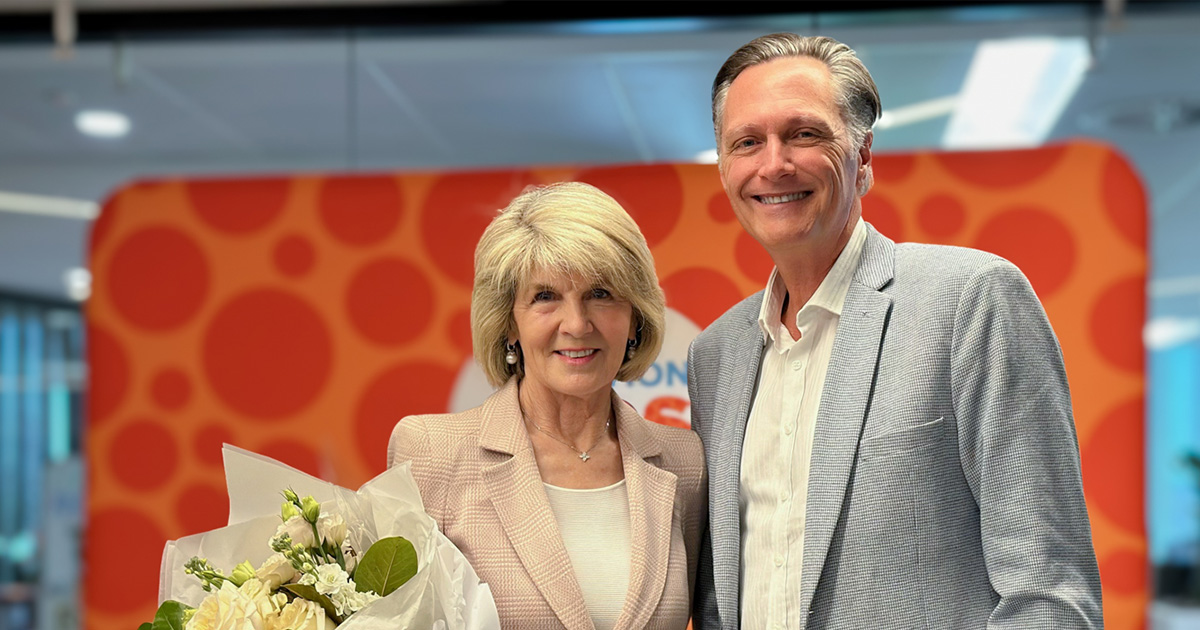
The Chair of The Kids Research Institute Australia, the Hon Julie Bishop, has stepped down after five years to allow her to focus on her critical role as the United Nations Secretary General’s Special Envoy on Myanmar.
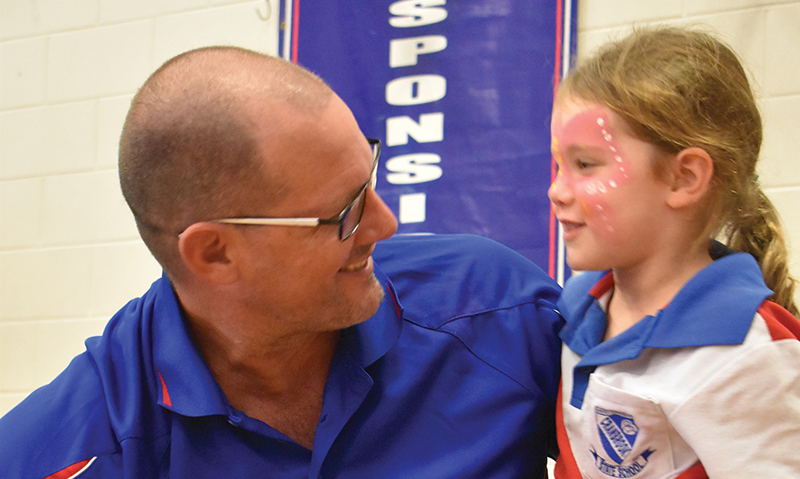
By his own admission, Cranbrook State School principal Jeffrey Capell was initially resistant to the idea that the school could better support the development of children before they were old enough to actually enrol in school.

The Kids has signed an MoU with leading technology developer NEC Australia to explore opportunities to apply NEC’s AI technologies in our medical research.
A new study from Perth's The Kids for Child Health Research has uncovered more evidence of a link between early testosterone levels and autism.
The BEACHES project aims to provide high quality evidence of aspects of the built environment which can be modified to reduce the negative impact on children’s physical activity, eating behaviours and weight status.
Hannah Tom Moore Snelling OAM BSc (Hons) GradDipClinEpi PhD BMBS DTMH GDipClinEpid PhD FRACP Head, Infectious Diseases Research Head, Infectious
Our team of world-class researchers and exceptional clinicians work in collaboration to provide children access to the very best evidence-based therapies and programs.
Obesity was a risk factor for severe COVID-19 in children during early outbreaks of ancestral SARS-CoV-2 and the Delta variant. However, the relationship between obesity and COVID-19 severity during the Omicron wave remains unclear.
Respiratory syncytial virus (RSV) is a major cause of respiratory infection with a higher burden in Aboriginal and Torres Strait Islander infants and children. We conducted a pilot qualitative study identifying disease knowledge and willingness to immunise following the changing immunisation landscape for infant RSV in 2024.
The role of children in the spread of severe acute respiratory syndrome coronavirus 2 (SARS-CoV-2) remains highly controversial. To address this issue, we performed a meta-analysis of the published literature on household SARS-CoV-2 transmission clusters (n = 213 from 12 countries). Only 8 (3.8%) transmission clusters were identified as having a pediatric index case.