
Search
Showing results for "early life"
Vital research aiming to improve the treatment of potentially deadly Group A Streptococcus (Strep A) has been awarded $820,000 in the latest round of National Health and Medicine Research Council’s Ideas Grants.
Researchers from The Kids Research Institute Australia, working with the Autism CRC, have led the development of the National Guideline for the Assessment and Diagnosis of Autism Spectrum Disorder in Australia which was launched today.
Analysing samples is a vital part of research, providing the answers needed to move forward with innovative new treatments and life- saving vaccines.
Contact us If you'd like to get in touch, please contact us by phone or email. Phone: 0400 450 240 Email: OPTIMUM@thekids.org.au What is the
Eight applicants were successful, and were awarded $15,000 each for activities supporting subsequent research grant applications.

Meet Dr Nina D’Vaz, ORIGINS Biobank Manager who recently featured in The Kids Research Institute Australia's social media celebration of International Women and Girls in Science Day.
Rheumatic heart disease (RHD) is an important and preventable cause of morbidity and mortality among children and young adults in low-income and middle-income countries, as well as among certain at-risk populations living in high-income countries. The 2012 World Heart Federation echocardiographic criteria provided a standardized approach for the identification of RHD and facilitated an improvement in early case detection.
Improvements in neonatal critical care have resulted in more people than ever reaching adulthood after being born prematurely. At the same time, it is becoming clearer that preterm birth can increase the risk of respiratory disease throughout a person’s lifetime. Awareness that a patient was born preterm can enable early specialist assessment and intervention when there is any concern about lung health.
Parents must rapidly adapt goals from various aspects of their lives to accommodate the demands of the early stages of parenthood. According to the self-concordance model, having autonomous goal motives (based on enjoyment or personal goal value) should foster effective self-regulation (e.g., coping strategies), better goal management, and increase the likelihood of goal attainment, compared to controlled motives (goals driven by demands/pressures).
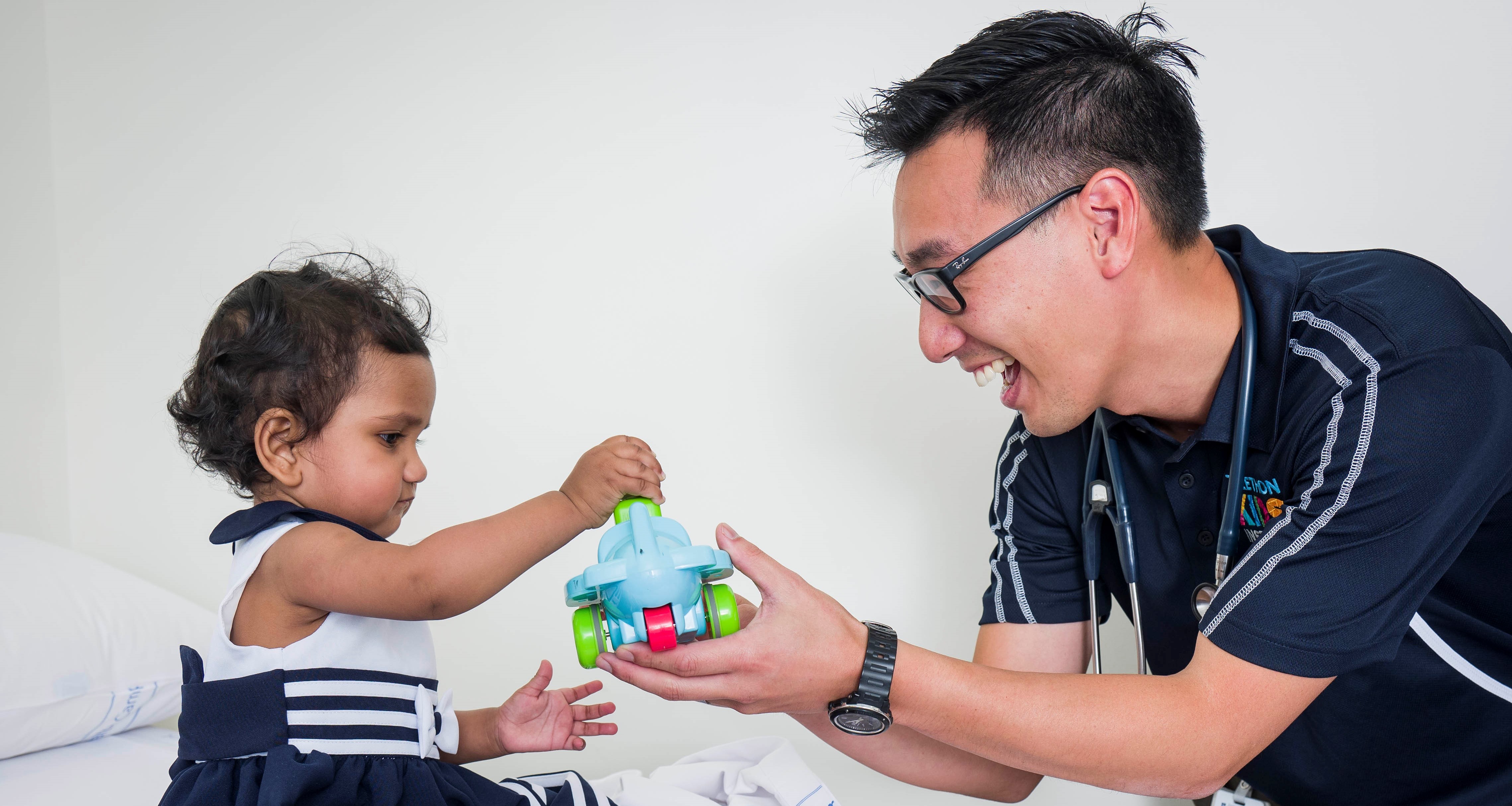
The ORIGINS Project, a collaboration between The Kids and Joondalup Health Campus, is collecting data and biological samples from 10,000 families over 10 years. Its work is also giving participating families a valuable heads up on health issues.