Skip to content
The Kids Research Institute Australia logo
Donate

No results yet

Search

Research

BEAT-CF (Bayesian Evidence Adaptive Treatment for people with Cystic Fibrosis): description of a prospective cohort for nested studies in cystic fibrosis

Despite recent improvements in treatment modalities for cystic fibrosis (CF), there is currently limited evidence and a lack of consensus regarding optimal treatment strategies for the different aspects of CF, including pulmonary exacerbations (PEx). We aimed to establish a prospective cohort of people with CF (pwCF) to evaluate alternative approaches to managing CF in the era of modulator therapies.

Research

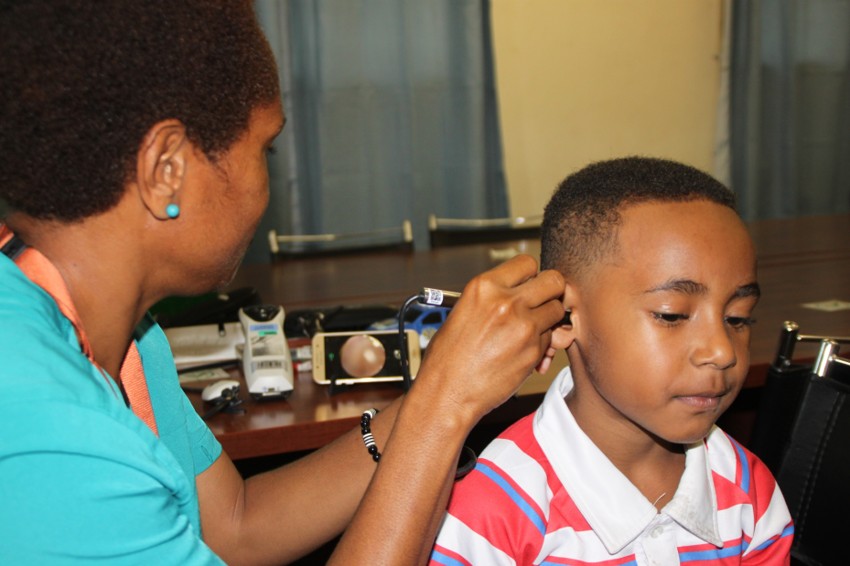
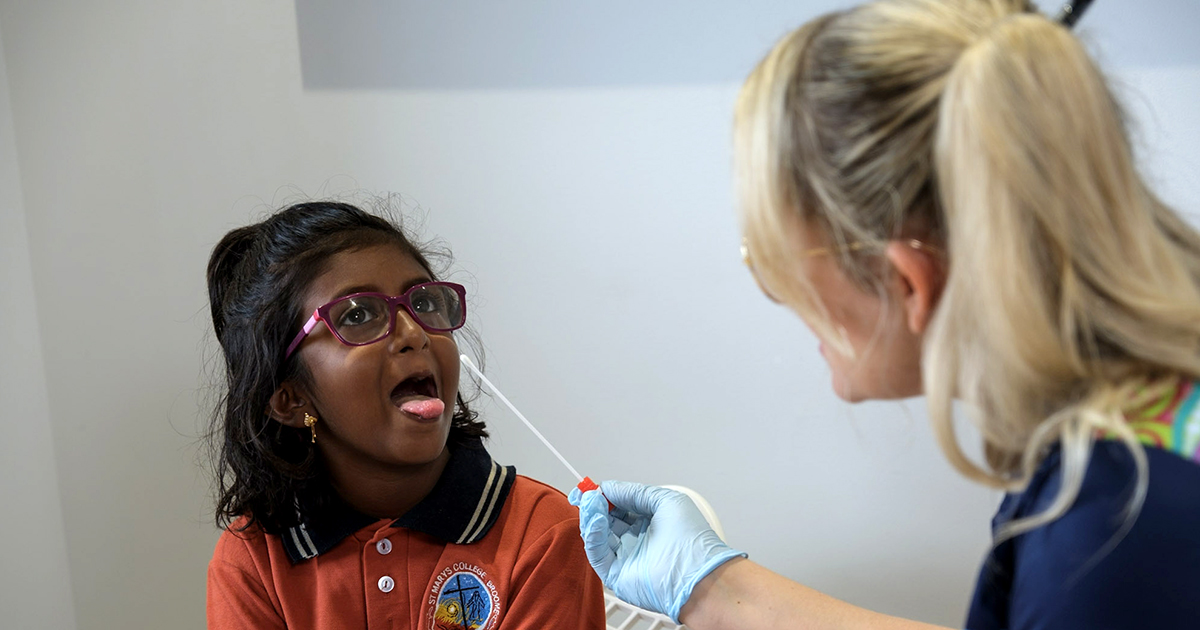
Clinical decision rules for diagnosis of Streptococcus pyogenes sore throat in Fiji: a prospective diagnostic accuracy study

Acute rheumatic fever is an immune-mediated condition triggered by Streptococcus pyogenes sore throat and possibly skin infection, with a substantial burden in resource-limited settings. Clinical decision rules (CDRs) are commonly used to guide antibiotic treatment of sore throat based on signs and symptoms, but their diagnostic accuracy varies by study and setting. This work aimed to assess the accuracy of multiple CDRs in Fiji to diagnose S. pyogenes sore throat.

Research

Koolungar (Children) Moorditj (Strong) Healthy Skin Project Part II: Skin Health in Urban-Living Australian Aboriginal Children

Although essential for overall health and wellbeing, little is known about skin health in urban-living Australian Aboriginal children. This co-designed, research-service project aimed to describe skin health and document skin disease frequency in urban-living Aboriginal children and young people in Western Australia and investigate housing associations for skin infections.

Research

Skin health of urban-living Aboriginal children attending a primary care Aboriginal Community Controlled Health Organisation clinic

Despite increasing urbanisation, little is known about skin health for urban-living Aboriginal children and young people (CYP, aged <18 years). This study aimed to investigate the primary care burden and clinical characteristics of skin conditions in this cohort. 

Research

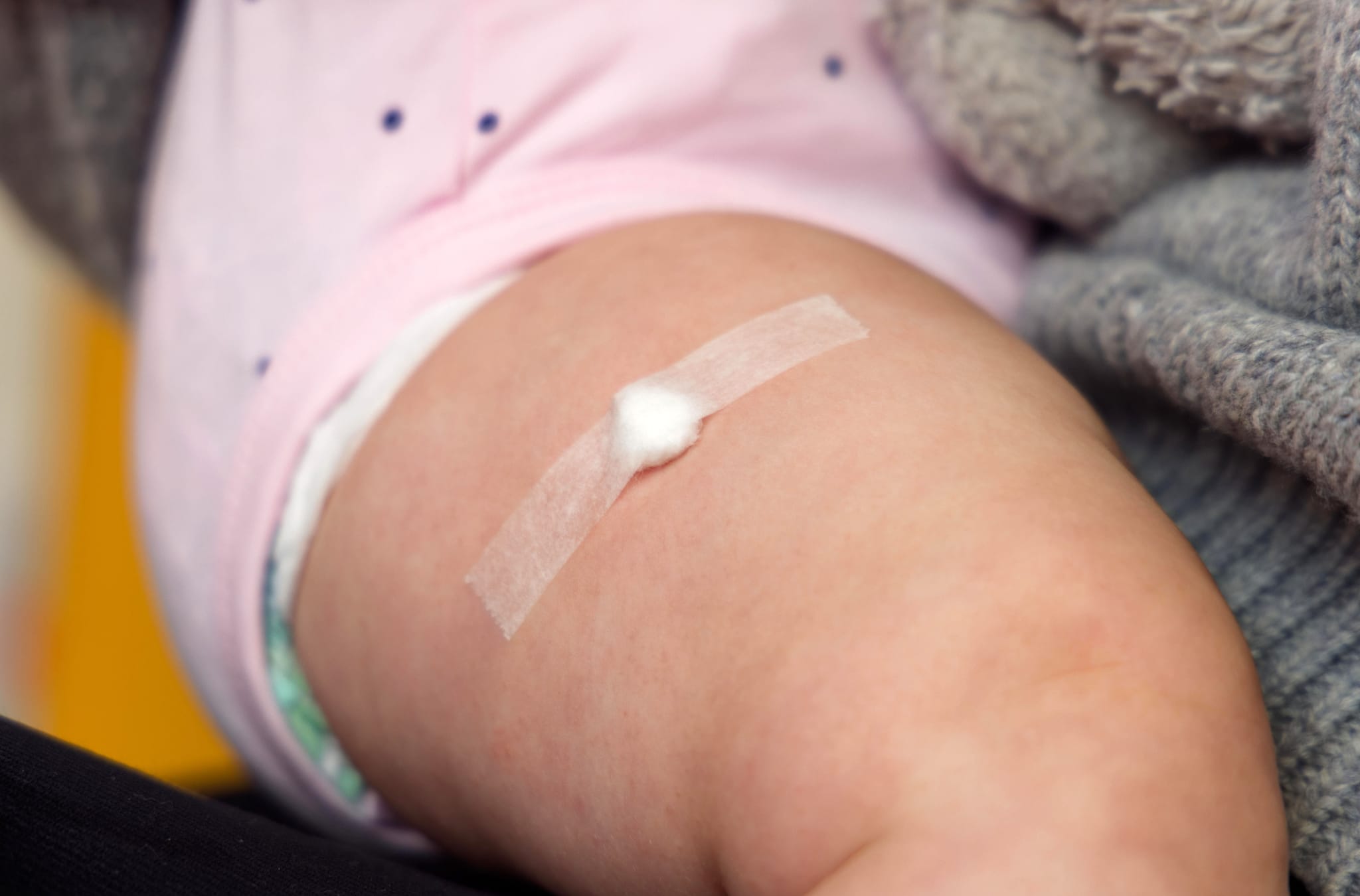
The mark of success: The role of vaccine-induced skin scar formation for BCG and smallpox vaccine-associated clinical benefits

Skin scar formation following Bacille Calmette-Guérin (BCG) or smallpox (Vaccinia) vaccination is an established marker of successful vaccination and 'vaccine take'. Potent pathogen-specific (tuberculosis; smallpox) and pathogen-agnostic (protection from diseases unrelated to the intentionally targeted pathogen) effects of BCG and smallpox vaccines hold significant translational potential.

Research

Serological Responses to Streptococcus pyogenes Vaccine Candidate Antigens Suggests That Streptococcus dysgalactiae Is the Predominant Cause of Lower Limb Cellulitis

A future Streptococcus pyogenes (Strep A) vaccine will ideally prevent a significant burden of lower limb cellulitis; however, natural immune responses to proposed vaccine antigens following an episode of cellulitis remain uncharacterized.

Research

DNA Methylation signatures underpinning blood neutrophil to lymphocyte ratio during first week of human life

Understanding of newborn immune ontogeny in the first week of life will enable age-appropriate strategies for safeguarding vulnerable newborns against infectious diseases. Here we conducted an observational study exploring the immunological profile of infants longitudinally throughout their first week of life. 

Research

Antecedent and persistent symptoms in COVID-19 and other respiratory illnesses: Insights from prospectively collected data in the BRACE trial

Some individuals have a persistence of symptoms following both COVID-19 (post-acute COVID-19 syndrome; PACS) and other viral infections. This study used prospectively collected data from an international trial to compare symptoms following COVID-19 and non-COVID-19 respiratory illness, to identify factors associated with the risk of PACS, and to explore symptom patterns before and after COVID-19 and non-COVID-19 respiratory illnesses.

Research

Tapasin assembly surveillance by the RNF185/Membralin ubiquitin ligase complex regulates MHC-I surface expression

Immune surveillance by cytotoxic T cells eliminates tumor cells and cells infected by intracellular pathogens. This process relies on the presentation of antigenic peptides by Major Histocompatibility Complex class I (MHC-I) at the cell surface. The loading of these peptides onto MHC-I depends on the peptide loading complex (PLC) at the endoplasmic reticulum (ER).

Research

Rationale for use for monoclonal antibody and anti-cytokine therapy for multisystem inflammatory syndrome in children: A systematic review

Objective: To review systematically the rationale for choice and use of monoclonal antibody and anti-cytokine therapy in multisystem inflammatory syndrome in children.