
Search
Showing results for "early life"
Research question: Are asthma and allergies more common in adolescents conceived with assisted reproductive technologies (ART) compared with adolescents conceived without?
The influence of the neighbourhood built environment on young children's physical development has been well-documented; however, there is limited empirical evidence of an association with social and emotional development. Parental perceptions of the neighbourhood built environment may act as facilitators or barriers to young children's play and interactions in their local environment. The aim of this study was to examine the associations between parents' perceptions of the neighbourhood built environment and the social-emotional development of children aged two-to-five years.
Parents must rapidly adapt goals from various aspects of their lives to accommodate the demands of the early stages of parenthood. According to the self-concordance model, having autonomous goal motives (based on enjoyment or personal goal value) should foster effective self-regulation (e.g., coping strategies), better goal management, and increase the likelihood of goal attainment, compared to controlled motives (goals driven by demands/pressures).
Childhood obesity and physical inactivity are two of the most significant modifiable risk factors for the prevention of non-communicable diseases. Yet, a third of children in Wales and Australia are overweight or obese, and only 20% of UK and Australian children are sufficiently active.
Multiple sclerosis is associated with Epstein–Barr virus (EBV) infection, B-cell dysfunction, gut dysbiosis, and environmental and genetic risk factors, including female sex.
We did a systematic literature search to identify observational and/or interventional studies reporting cross-protection of TIV and A(H1N1)pdm09...
Do hypertensive diseases of pregnancy disrupt neurocognitive development in offspring?
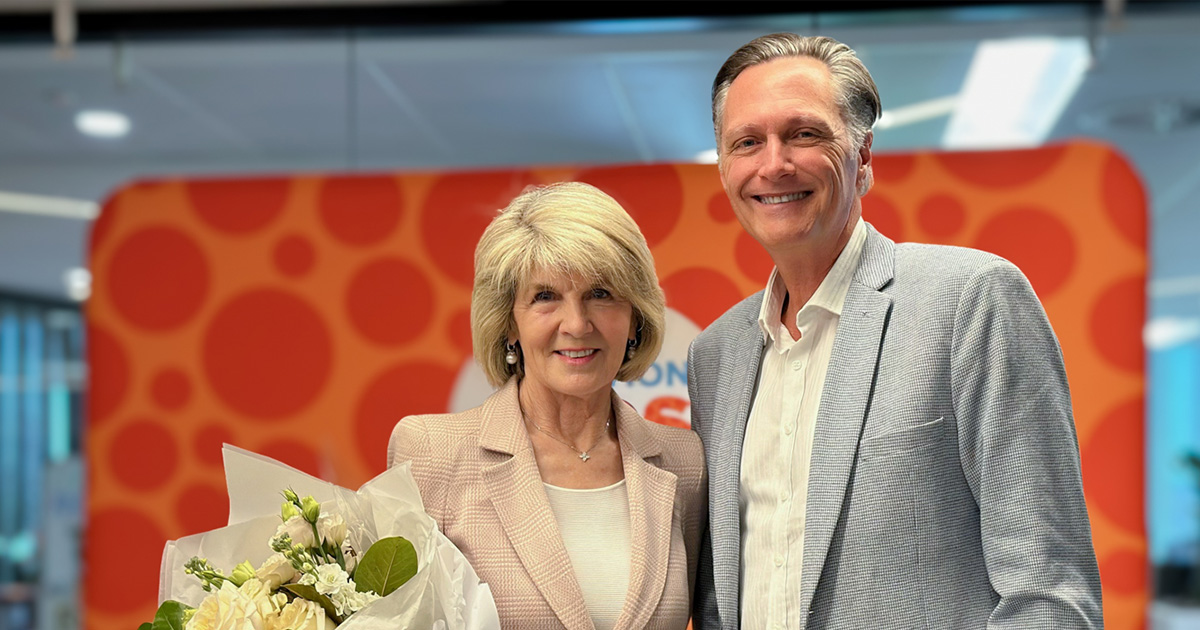
The Chair of The Kids Research Institute Australia, the Hon Julie Bishop, has stepped down after five years to allow her to focus on her critical role as the United Nations Secretary General’s Special Envoy on Myanmar.
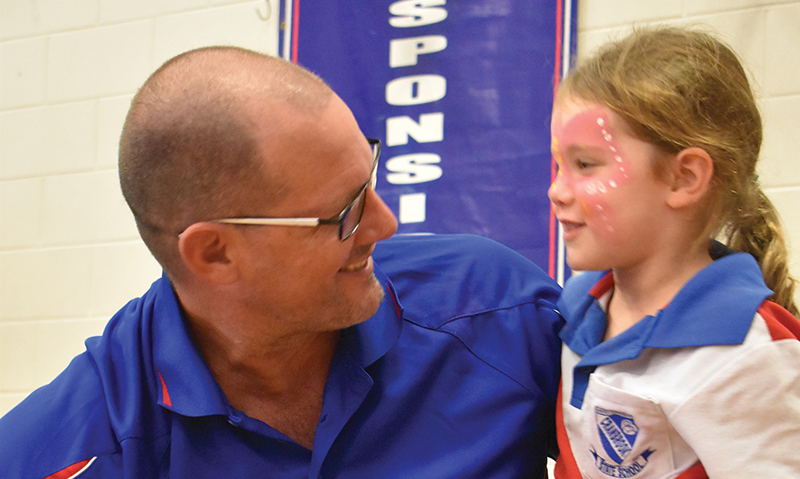
By his own admission, Cranbrook State School principal Jeffrey Capell was initially resistant to the idea that the school could better support the development of children before they were old enough to actually enrol in school.
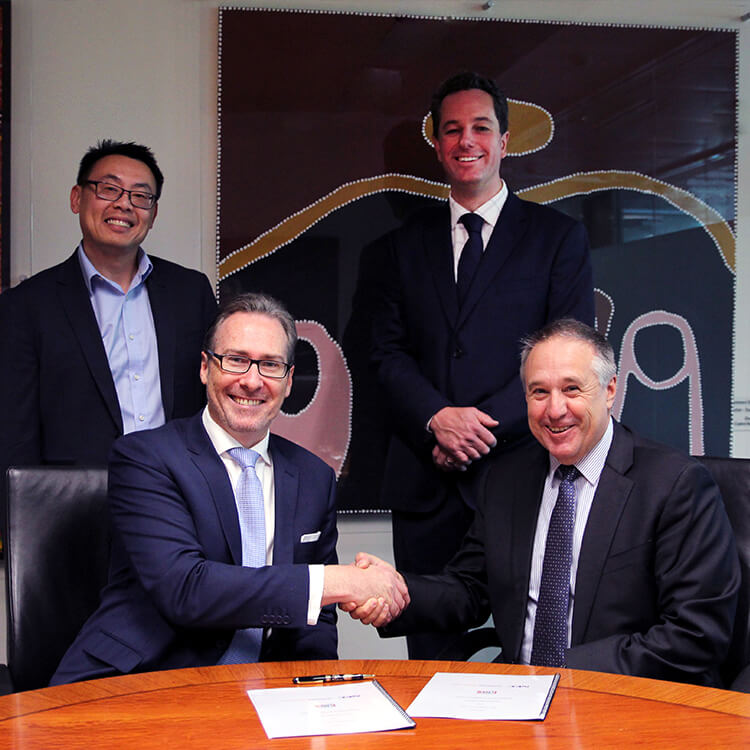
The Kids has signed an MoU with leading technology developer NEC Australia to explore opportunities to apply NEC’s AI technologies in our medical research.