
Search
Intramuscular (IM) injection of benzathine benzylpenicillin G (BPG) forms the cornerstone of acute rheumatic fever (ARF) and rheumatic heart disease (RHD) secondary prophylaxis. BPG is available as either a low-cost powdered formulation or a costlier pre-filled suspension. Most of the global RHD burden lies in low- and middle-income countries, which rely on the powdered formulation.
Many children and their families, especially those from priority populations, experience barriers to accessing high-quality early childhood health, education, social and legal services. Further, these families are often under-represented in service planning and research; hence innovations are not designed to meet their needs. Our aim is to codesign with families and the wider community, a Strength-based, Tiered, Accessible Resources and Supports for Kids (STARS for Kids) programme to optimise child development, parental mental well-being, and family psychosocial needs in the first 2000 days from pregnancy to start of school
(Central) Auditory Processing Disorder ([C]APD) is an umbrella term for children who have difficulty with listening, despite normal hearing. Children with (C)APD frequently experience academic, behavioural, emotional, cognitive and social difficulties, and lack accessible, long-lasting wholistic treatments. Hence, a transdisciplinary intervention has been developed – Auditory-Cued Exercise Therapy.
While parenting self-efficacy and broader autism phenotype (BAP) have been linked to caregiver depression, anxiety and stress at specific points in time, their influence on longer-term mental health trajectories remains unknown, especially for caregivers who participate in support programs for their infants with very-early autistic features.
This study described the presenting features, initial assessment, hospital care, and complications at discharge among Australian adolescents and young adults with Invasive meningococcal disease.
Respiratory disease is a leading cause of hospitalisations in children with cerebral palsy (CP). Over 40% of individuals with CP are born preterm; however, the relationship between prematurity, CP and respiratory disease is unknown.
The colonisation of Australia around 250 years ago left a significant enduring impact on the mental health of Aboriginal and Torres Strait Islander peoples. Vitamin D may play a role in modulating mental health as its receptors are present in the brain regions associated with mood and behaviour regulation.
Speech and language therapists' (SLT) practice with cultural and linguistic diverse (CALD) populations with acquired and congenital neurogenic communication disorders in Denmark and Sweden is becoming more urgent due to demographic changes.
To determine whether the screening age for atrial fibrillation (AF) should be lowered for Indigenous Australians with the goal of reducing risk of stroke and other health burdens.
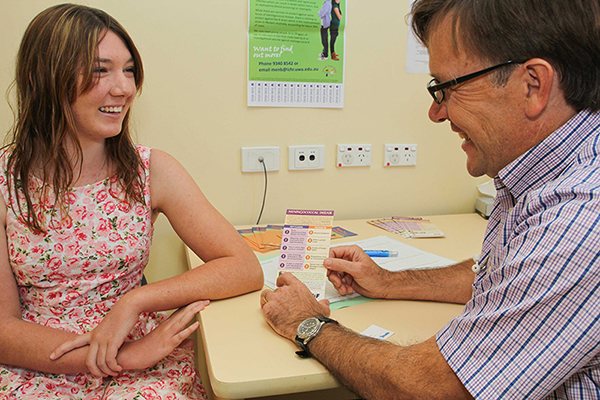
Meningococcal disease is caused by the bacteria Neisseria meningitidis, or 'meningococcus'. It is an uncommon but very serious disease that can result in death if not recognised and treated quickly.