
Search
Showing results for "early life"

Discover resources and science activities for kids for the topic 'What's In Our Cells?'.
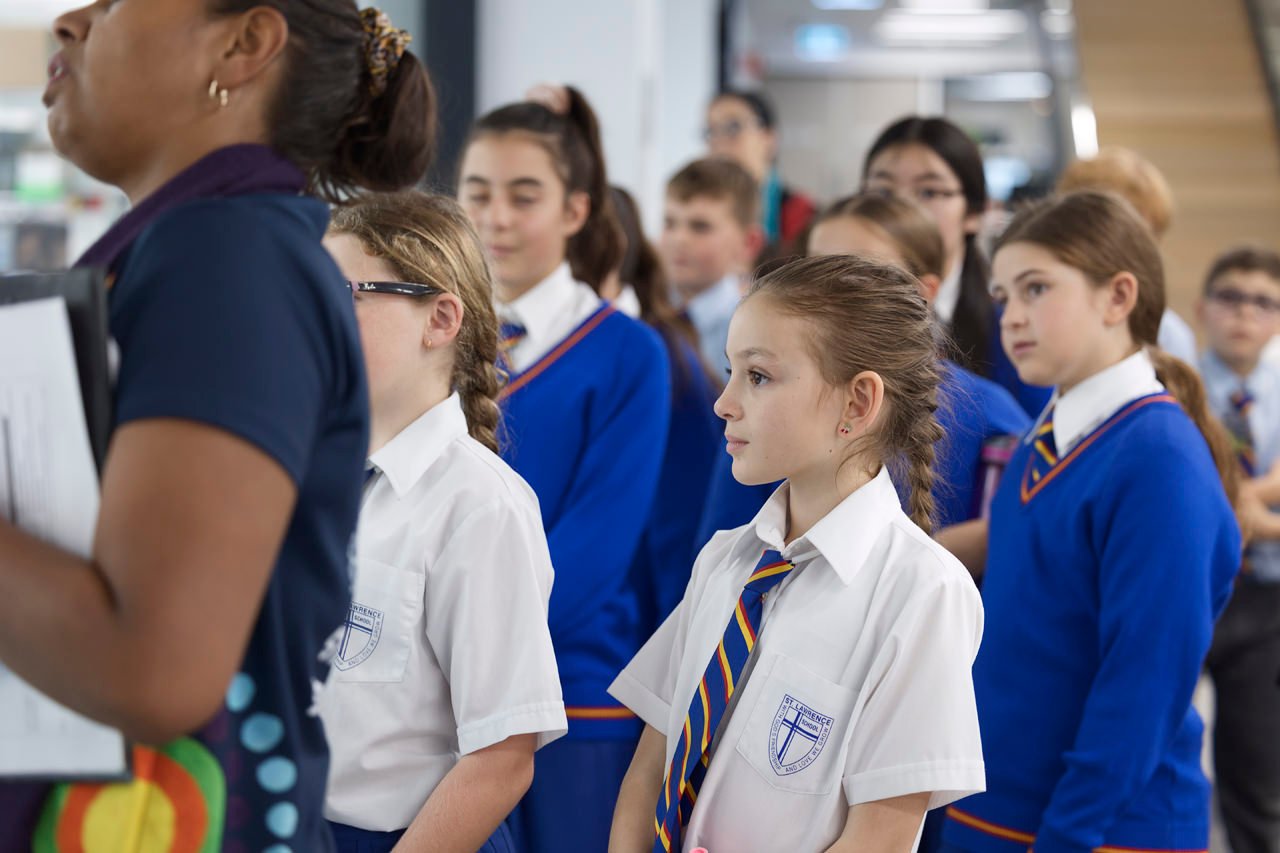
Want to find out more about what an excursion to The Kids is all about? Join us for our first ever Science & Sip!

Glycoprotein A as a biomarker of pulmonary infection and inflammation in children with cystic fibrosis Background: Serum Glycoprotein A (GlycA)
Gene modifiers of cystic fibrosis lung disease: A systematic review Background: Lung disease is the major source of morbidity and mortality in cystic
Association of Antibiotics, Airway Microbiome, and Inflammation in Infants with Cystic Fibrosis Abstract Rationale: The underlying defect in the
Meta-analyses and single-site studies have established that children are less infectious than adults within a household when positive for ancestral SARS-CoV-2. In addition, children appear less susceptible to infection when exposed to ancestral SARS-CoV-2 within a household. The emergence of SARS-CoV-2 variants of concern (VOC) has been associated with an increased number of paediatric infections worldwide.
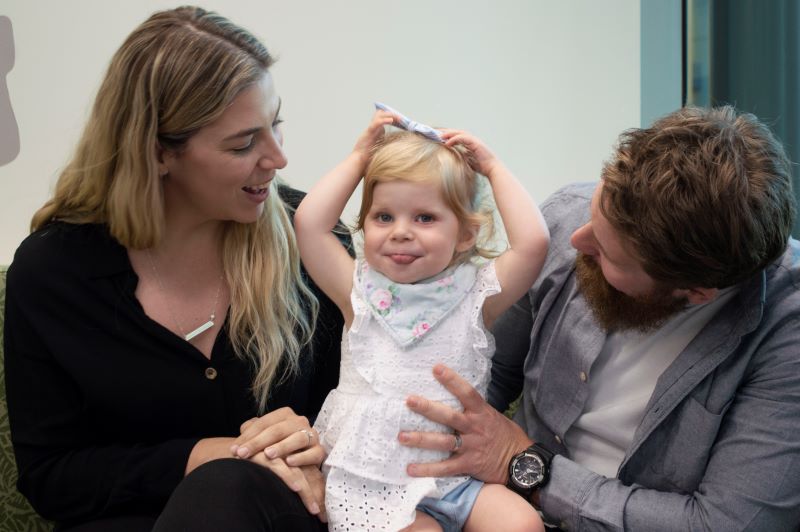
CliniKids, the first stand-alone clinical service offered by The Kids Research Institute Australia, was launched in October 2019 and is already delivering benefits for families with children who are developing differently.
Type 1 interferons (T1IFNs) are typically expressed in low concentrations under homeostatic conditions, but upon pathogenic insult or perturbation of the pathway, these critical immune signaling molecules can become either protectors from or drivers of pathology. While essential for initiating antiviral defense and modulating inflammation, dysregulation of T1IFN signaling can contribute to immunopathology, making it and its associated pathways prime targets for immune evasion and disruption by pathogens.
Convalscent plasma (CP) was identified as a potential therapy for COVID-19 available early in the pandemic.
Physical literacy development in early childhood, viewed by many as the foundation for lifelong physical activity engagement, is significantly influenced by parents. Our aim was to explore parents' understanding of physical literacy and gain insight into their perspectives on physical literacy promotion.