
Search
Showing results for "early life"

With COVID-19 being a major issue this year, is it still important to have a flu vaccine? And why have school aged children been included for a free vaccine?
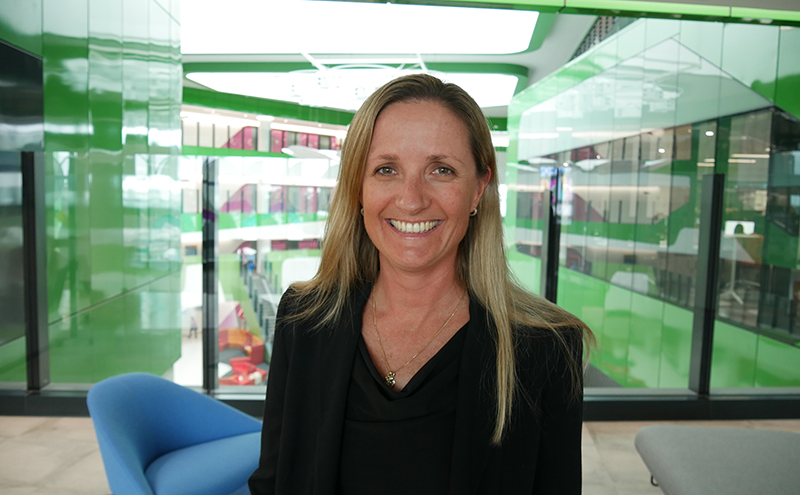
A The Kids Research Institute Australia researcher focused on promoting more active childhoods to improve child health and wellbeing will be named amongst WA’s most outstanding young scientists at the upcoming 2020 Young Tall Poppy Science Awards.
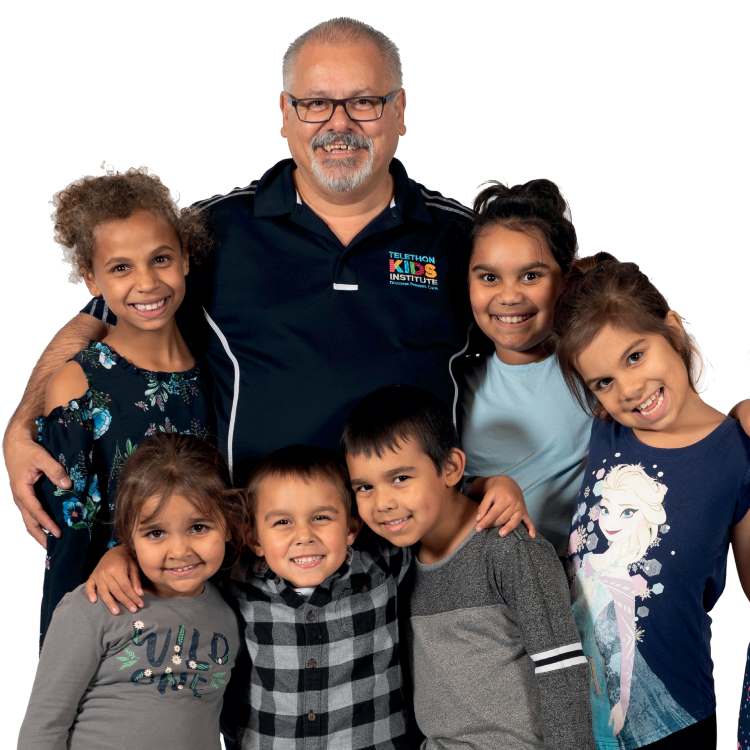
Led by nine Elders, the Ngulluk Koolunga Ngulluk Koort Project is working to generate a better understanding of early childhood development from an Aboriginal/Nyoongar perspective.
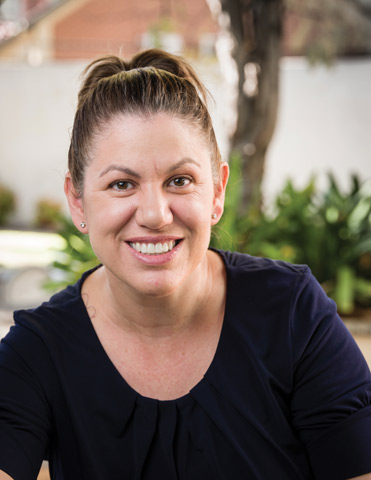
Researchers working on the Developmental Pathways Project are determined to find out what makes families vulnerable to child abuse and neglect.
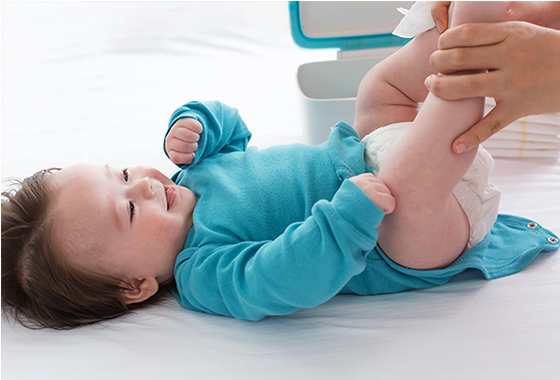
In this blog, Speech Pathology Clinical Lead Aria May and Occupational Therapy Clinical Lead Marie Rodatz share their top tips for making the most of nappy changes to help create more opportunities for connection.
Globally, Indigenous populations have been disproportionately impacted by pandemics. In Australia, though national infection rates with COVID-19 infections in Aboriginal and/or Torres Strait Islander people were lower in the first 12 months of the COVID-19 pandemic, there was soon a greater burden in Aboriginal and/or Torres Strait Island people once Omicron was circulating. Uptake of the COVID-19 vaccine was also lower among Aboriginal and/or Torres Strait Islander people.
Aboriginal children aged younger than 5 years in Perth (Boorloo) have lower vaccine uptake compared to non-Aboriginal children.
Rates of several vaccine preventable diseases, and associated hospitalisation, are higher among Aboriginal and/or Torres Strait Islander children than non-Indigenous children. Western Australia has among the lowest childhood vaccine coverage in Australia, particularly among Aboriginal and/or Torres Strait Islander children. Delayed vaccination is also more common in this population. This project aimed to understand the barriers and facilitators to vaccine uptake and timeliness among Aboriginal and/or Torres Strait Islander children aged under five years in Boorloo (Perth).
Nasal epithelial cells from very preterm infants have a functional defect in their ability to repair beyond the first year of life, and failed repair may be associated with antenatal steroid exposure.
Elevated levels of emotional difficulties among school students with T1D and variable levels of support from school staff to assist these students to manage their diabetes at school