
Search
Showing results for "early life"
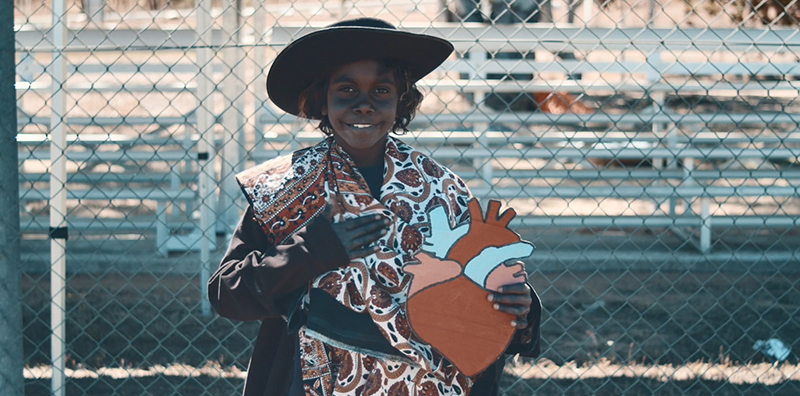
Once you hear it, you won’t be able to get it out of your head – and that’s exactly the point of the new song ‘Boom Boom’.
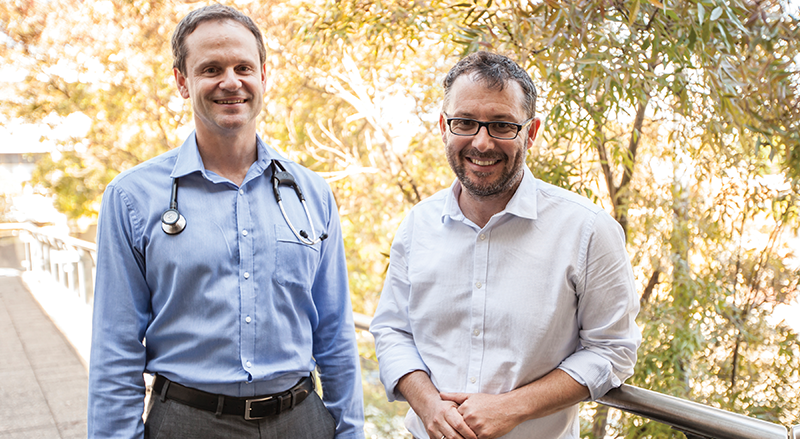
The Kids researchers are pioneering an exciting new approach to clinical trials, which aims to fast-track the best treatments for people with rare and complex diseases.
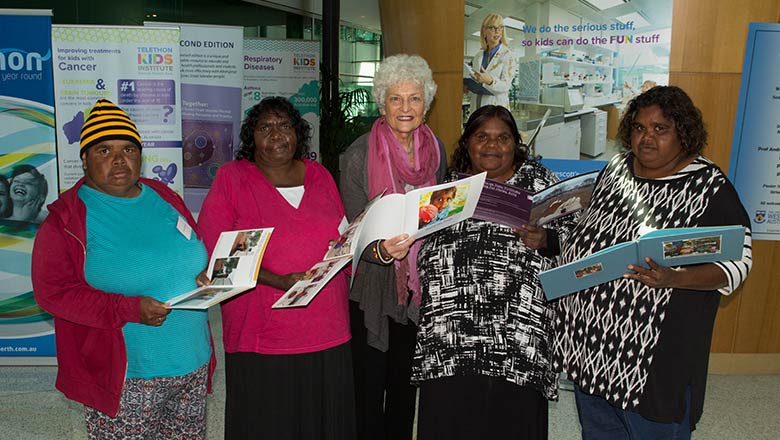
An NHMRC grant to develop a program to improve school outcomes in the Ngaanyatjarra lands has helped create books reflecting Aboriginal experiences.

A big decision for a lot of parents is when to try for another baby. The variation in timing can be enormous, from a few months to more than 10 years.
A new research scholarship to combat childhood brain tumours will be launched tonight in honour of two year old Perth toddler Ethan Davies.

One step at a time … that’s the message Canadian Sebastien Sasseville wants kids living with Type 1 Diabetes to know when he talks about his T1D journey.
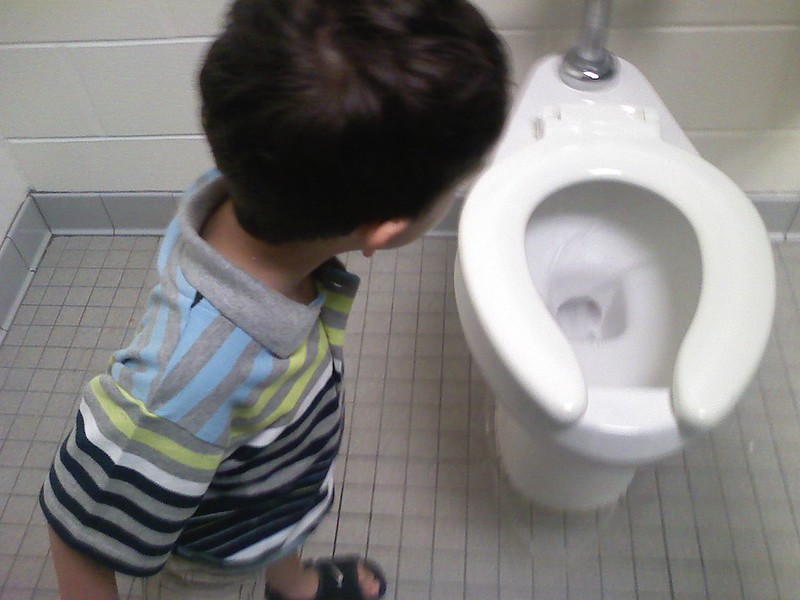
In this blog, Occupational Therapist Ally Raphael offers tips for successful toilet training.
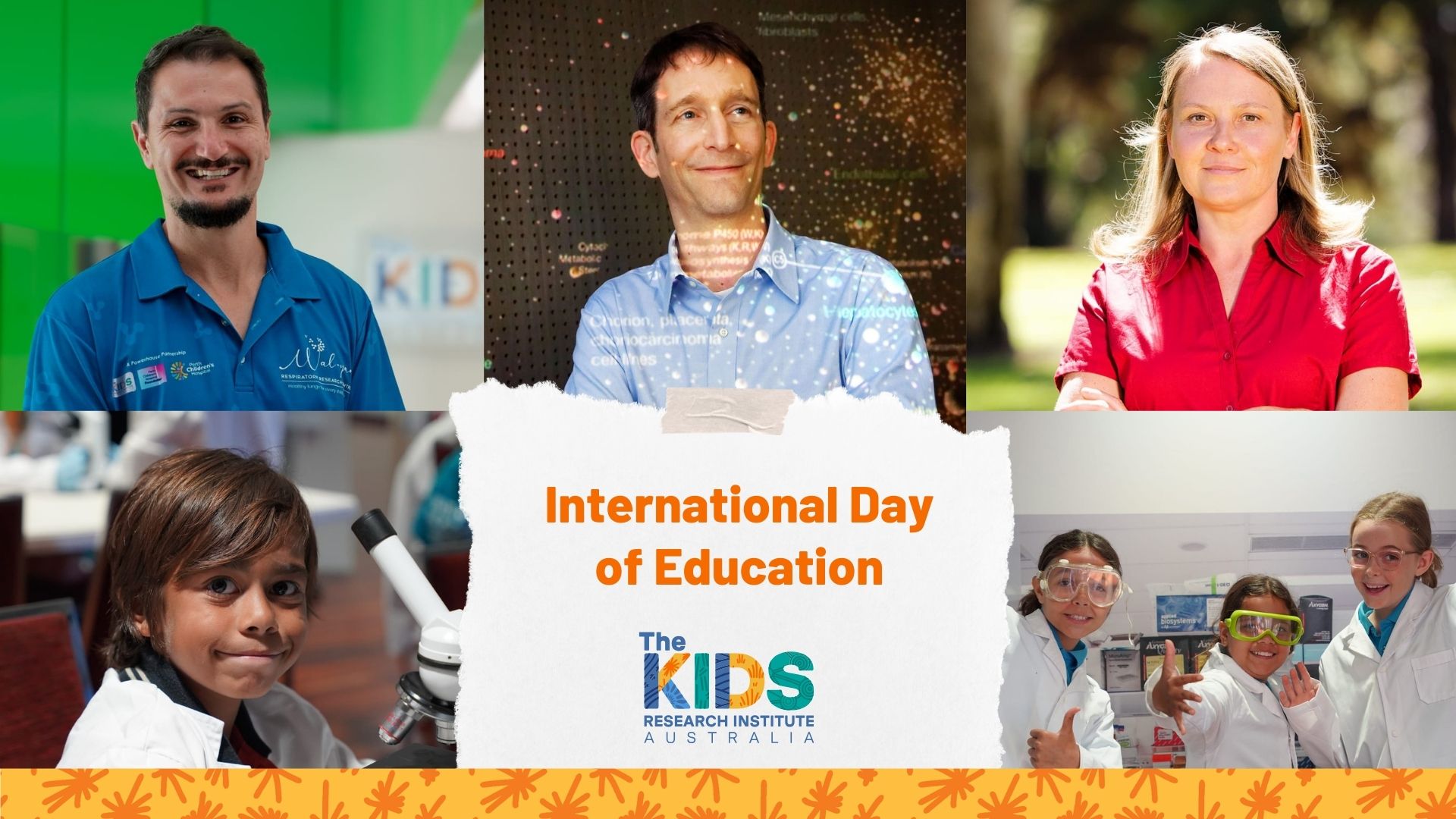
Today, 24 January 2025, is International Day of Education, a global celebration of the power of learning to transform lives. This year’s theme, “AI and Education: Preserving Human Agency in an Automated World”, underscores the critical role of education in preparing kids for a future increasingly shaped by AI.

We earnestly thank every donor and also acknowledge those who prefer to remain anonymous.
The prevalence of impetigo and pharyngitis - which are both superficial group A streptococcus (GAS) infections that precede acute rheumatic fever - is poorly defined. Guidelines recommend the early diagnosis of both infections to prevent ARF; however, screening to enable the concurrent detection of these infections in high-risk populations has rarely been performed.