
Search
This study adds to the current literature by using a novel device-based method to explore where preschool children are physically active outside of home and childcare settings. This study combined accelerometry with geospatial data to explore the influence of the environment on preschool children's physical activity by objectively identifying the locations where preschool children engage in moderate to vigorous physical activity (MVPA) within and outside of their neighborhood.
Overweight and obesity in children continues to increase. Yet, the role of active transport, namely walking, in mitigating these trends remains unclear. This study examined the cross-sectional association between walkability and children's Body Mass Index (BMI) and how this varies by socio-economic and lifestyle characteristics.
Child poverty remains a major global concern and a child's experience of deprivation is heavily shaped by where they live and the stability of their local neighbourhood. This study examines frequencies and patterns of residential mobility in children and young people at a population level using novel geospatial techniques to assess how often their physical environment changes and to identify geographical variations in social mobility.
We know relatively little about the role the neighbourhood built environment plays in promoting young children's physical activity, particularly its longitudinal effect either through repeated exposure to the same environment or through change in exposure by moving from one neighbourhood to another.
Exercise for people with Prader-Willi syndrome (PWS) is important for their health and wellbeing and can provide opportunities for community participation. However, they may find it difficult to participate in some contexts, such as community gyms because social and environmental barriers in these settings may compound difficulties caused by physical impairments or intellectual disability.
Promoting healthy eating and physical activity in early childhood education and care is recommended within guidelines and supported by health promotion programs; however, implementation is suboptimal. Evidence suggests implementation within the sector varies over time; however, this has not been empirically examined in relation to implementation barriers.
Examine the reliability of field-based fitness assessments in school-aged children with emotional or behavioral difficulties (EBD). Understanding the impact of fitness on physical activity participation for children with EBD is limited by our ability to reliably measure it.
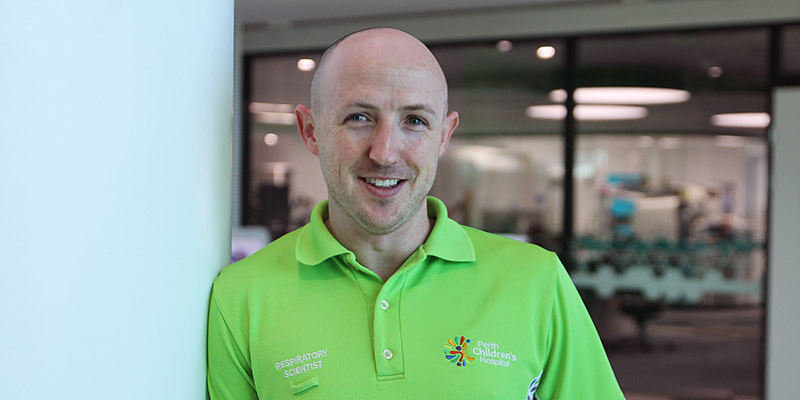
Parents of children born prematurely have expressed concerns about their child’s lung health when they exercise, with symptoms such as breathlessness.

The Kids Research Institute Australia and The University of Western Australia researchers have been awarded more than $1 million in funding from Healthway, for projects to improve the mental health of LGBTQA+ young people, encourage early physical activity in childcare centres and create healthier local environme
Having a walkable built environment is important to encourage active school transport. The aim of this study was to measure the walkability of all Perth, Western Australian schools and investigate whether differences in walkability exist by school type, socioeconomic status and/or subregion.