
Search
The implications of climate change for malaria eradication this century remain poorly resolved. Many studies focus on parasite and vector ecology in isolation, neglecting the interactions between climate, malaria control and the socioeconomic environment, including disruption from extreme weather. Here we integrate 25 years of African data on climate, malaria burden and control, socioeconomic factors, and extreme weather.
Malaria imposes a significant global health burden and remains a major cause of child mortality in sub-Saharan Africa. In many countries, malaria transmission varies seasonally. The use of seasonally-deployed interventions is expanding, and the effectiveness of these control measures hinges on quantitative and geographically-specific characterisations of malaria seasonality.
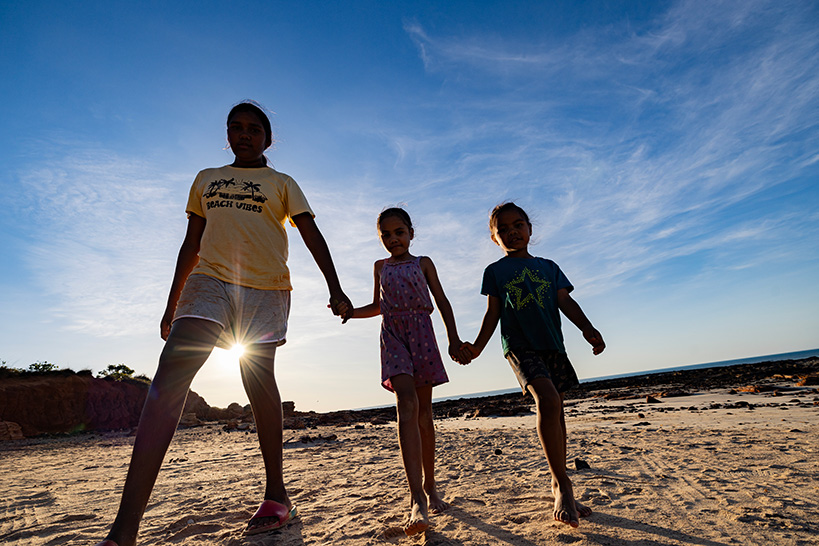
Aboriginal health is everyone's business. The needs of Aboriginal and Torres Strait Islander families and kids is integrated into all relevant areas of our work. Improving the health and wellbeing of Aboriginal and Torres Strait Islander kids and families is an overarching priority for every team at The Kids.
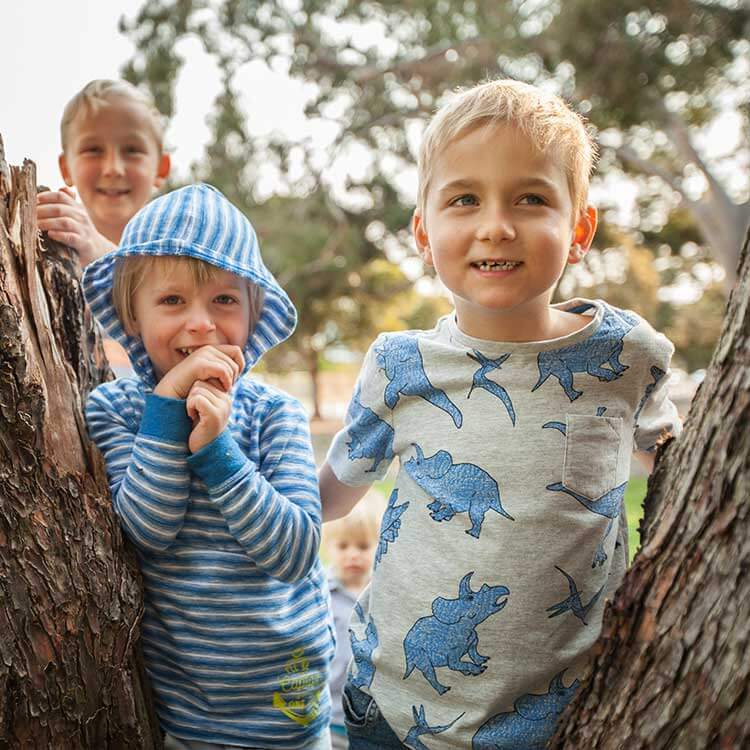
We will leverage the unique Western Australian data linkage resources to undertake the definitive twin and sibling study of infection-related hospitalisation
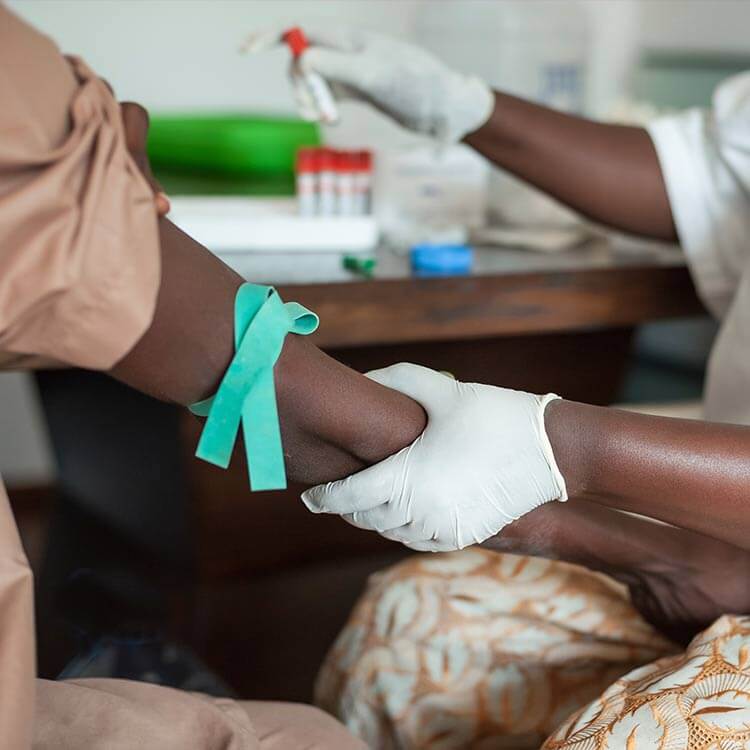
This study investigated host gene expression in response to new HIV infection.

STopping Acute Rheumatic Fever Infections to Strengthen Health (STARFISH) brings together a diverse and multidisciplinary research team to investigate the most effective environmental health initiatives (EHIs) aimed at reducing Strep A infections and prevent Acute Rheumatic Fever (ARF).
The Kids Research Institute Australia, Perth Children’s Hospital (PCH) and the Peter Doherty Institute for Infection and Immunity (Doherty Institute) will spearhead the paediatric arm of a world-first global platform trial designed to uncover treatments for Staphylococcus aureus bloodstream infection.
Western Australian researchers advocate for a national newborn screening program for congenital CMV to prevent hearing loss and related disabilities in infants.

The Kids Research Institute Australia researchers have been awarded more than $10 million in research funding from the National Health and Medical Research Council (NHMRC).
Consumers and community members are invited to join us to provide input into our childhood infectious diseases research.