
Search
The minimum number of doses of pneumococcal conjugate vaccine required for protection is not known. We studied the immunogenicity of a reduced schedule in...
A combined DTPa-IPV booster vaccine was administered as a 4th or 5th dose after DTPa or DTPw priming.

The Infectious Disease Implementation Research Team is a multi-disciplinary group researching the best way to implement infectious disease prevention and treatment strategies to improve the wellbeing of children and teenagers.
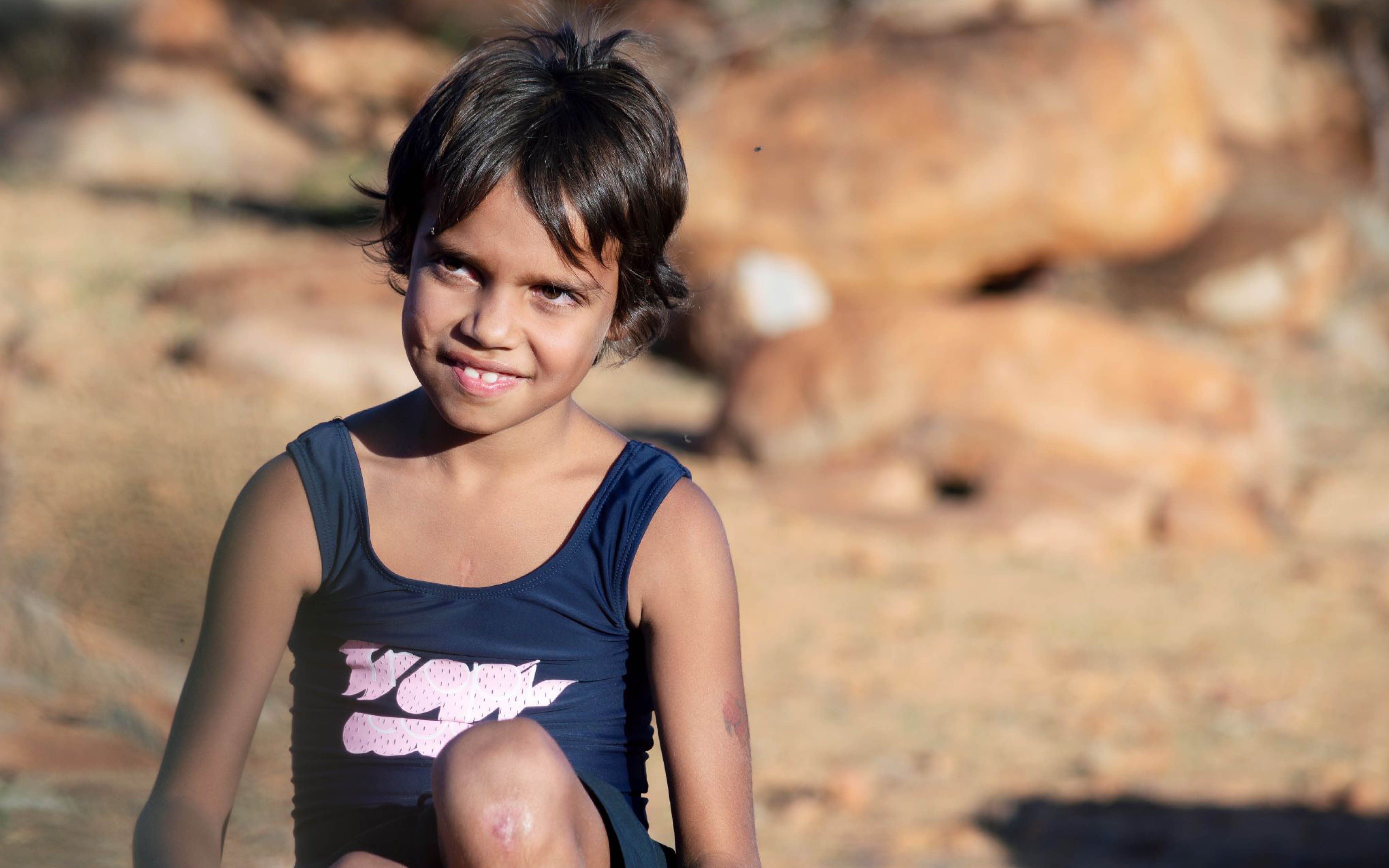
The Strep A Translation team aim to understand the epidemiology of Strep A infections in Australia and the world. Alongside this, they explore the implementation of endgame recommendations, health economics and new horizons.
This work is the first step to develop safe treatments for pregnant mums to protect against preterm delivery and low birth weight caused by maternal infections.
Immunisation is the most effective way of protecting your child against a range of serious illnesses, including measles, hepatitis B and whooping cough. All vaccines used in Australia undergo stringent testing and ongoing monitoring.

Pneumococcal – a bacterial infection that can cause pneumonia and meningitis – is responsible for 1000s of hospital admissions in Australia each year, many of them children.
Vaccination is the injection of an inactivated bacteria or virus into the body. This simulated infection allows an individual's immune system to develop an adaptive immunity for protection against that type of illness. When a sufficiently large percentage of a population has been vaccinated, this results in herd immunity.
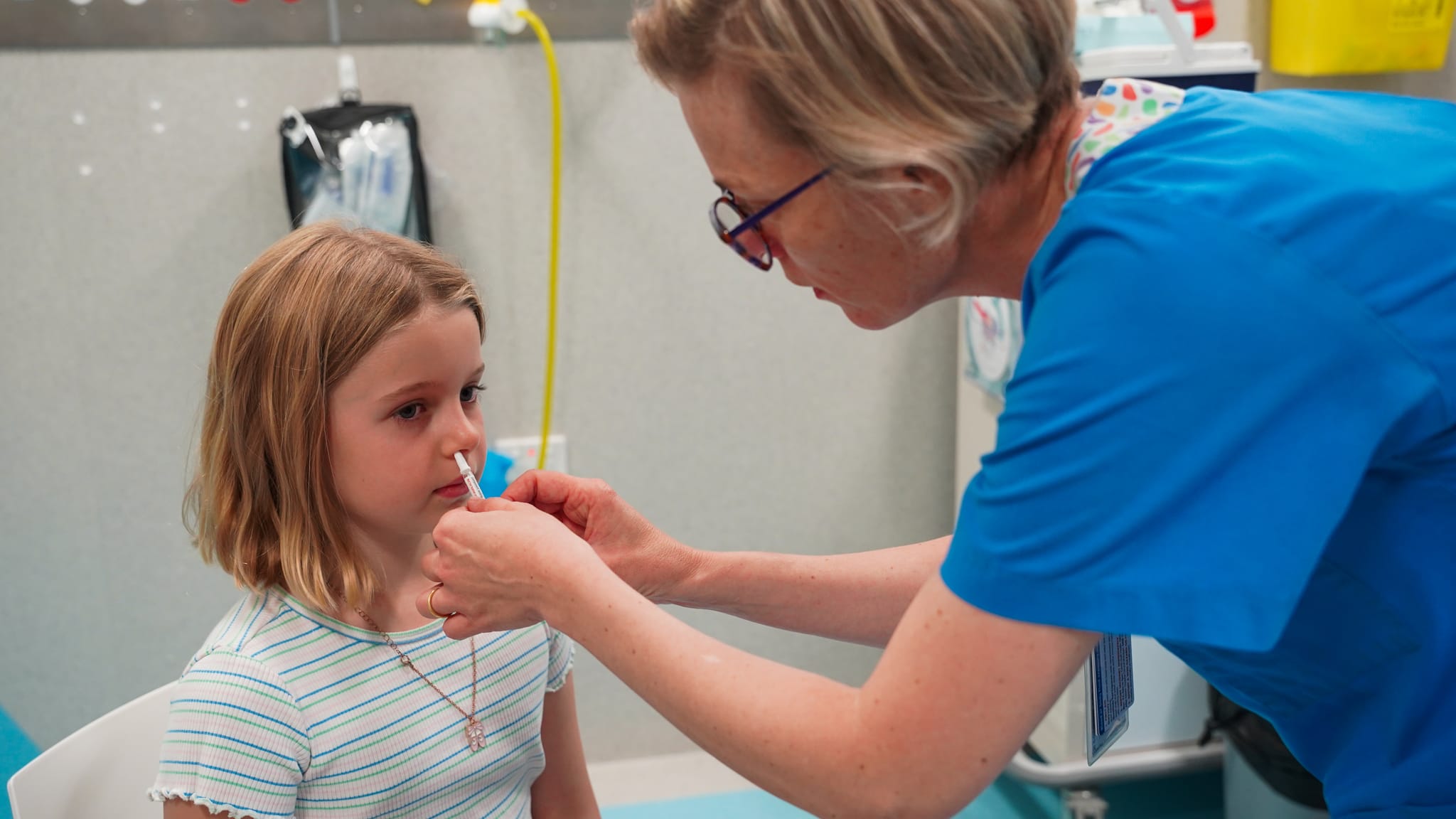
Influenza (commonly known as the flu) is caused by a highly contagious virus spread mainly through coughing and sneezing. An annual flu vaccination is the most effective way to prevent flu outbreaks.

Whooping cough (pertussis) is a highly contagious respiratory infection which causes a severe cough and can be particularly dangerous to babies under a year old. Vaccination is the best way to reduce the risk of whooping cough.