
Search
Showing results for "early life"
We report a term male with congenital acute erythroleukemia who achieved sustained remission with low-dose cytosine arabinoside alone
Our study will be the first to assess vaccine efficacy targeting H. influenzae in children with recurrent PBB, CSLD and bronchiectasis.
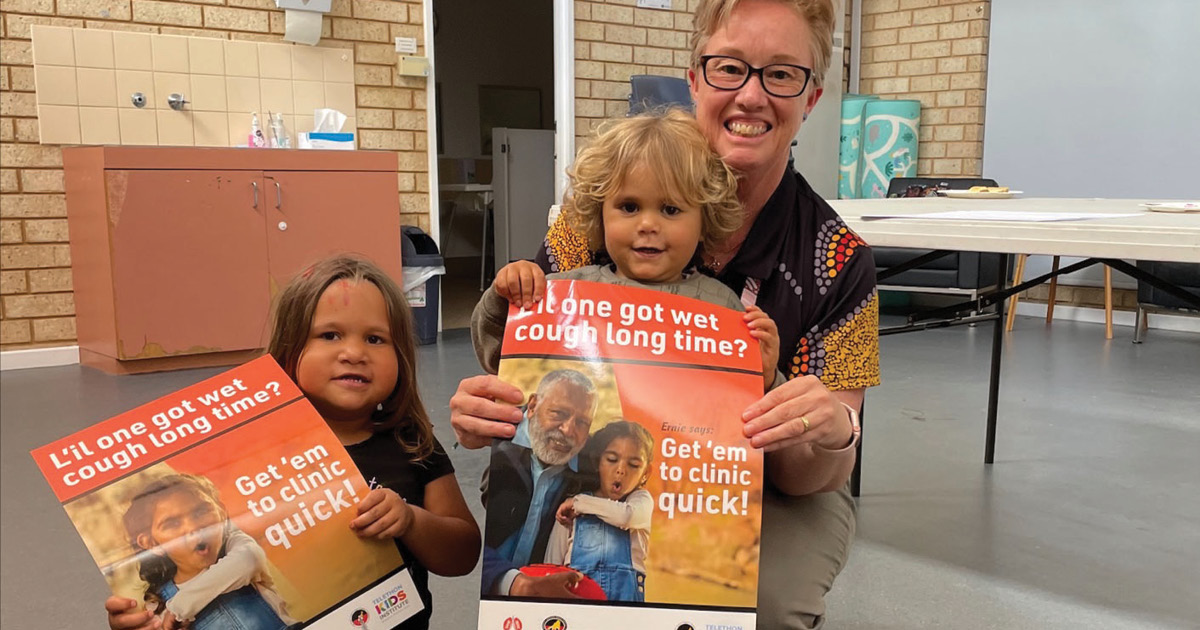
A program aimed at raising awareness of the dangers of a chronic wet cough in Aboriginal children has been extended to 14 remote and regional towns in Western Australia - thanks to a partnership between The Kids Research Institute Australia and Cystic Fibrosis WA.
SHIP-CT, led by Professor Stephen Stick, Director of the Wal-yan Respiratory Research Centre at The Kids, is a unique study in preschool-aged children (from 3-6 years of age) with CF using images of the lung from chest CT scans as the main outcome measure.
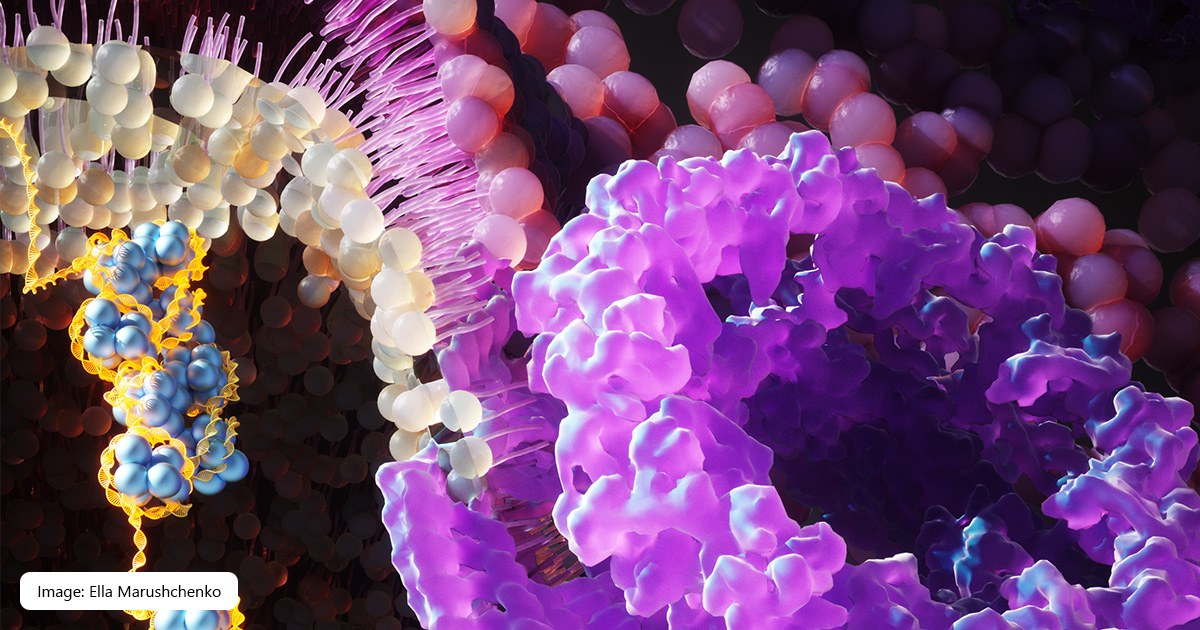
Australian researchers have developed a new method to ‘wipe the memory’ of reprogrammed human cells to better mimic embryonic stem cells, in a discovery that has significant implications for the treatment of several serious diseases.
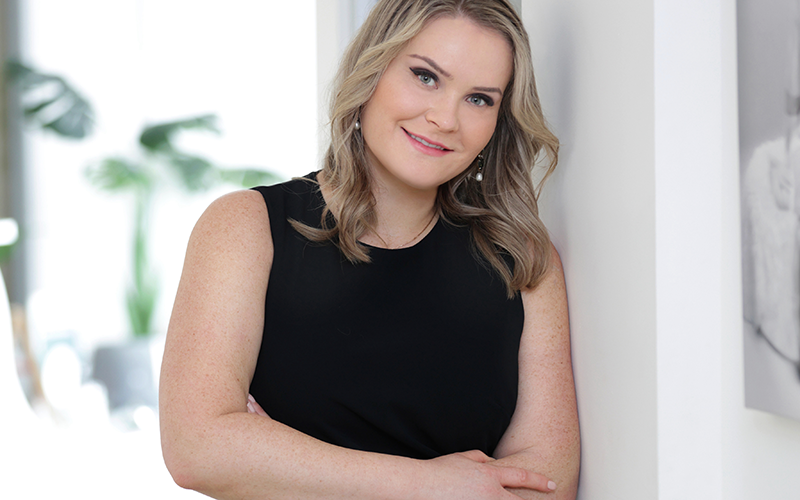
Congratulations Dr Nicole Hill, who has been honoured at this year’s prestigious 40under40 Awards for her outstanding contributions to suicide prevention research in Australia.
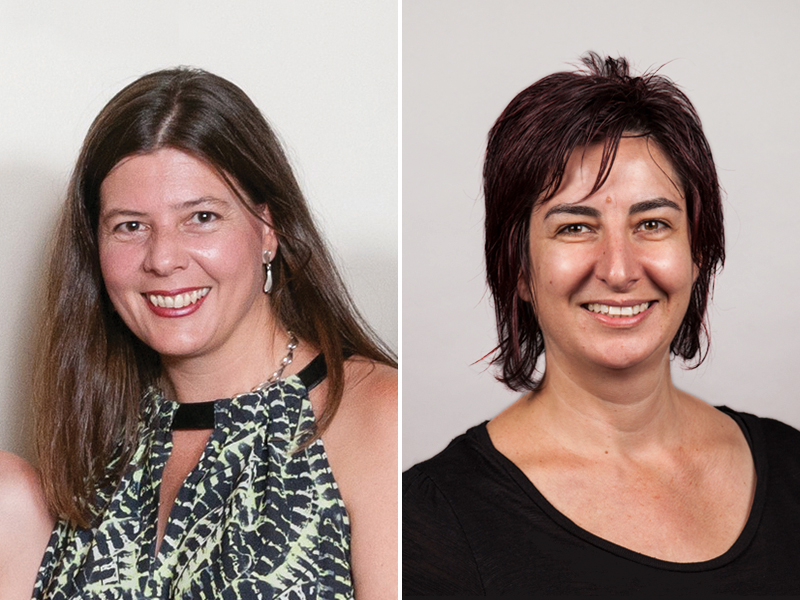
Two leading The Kids Research Institute Australia researchers will use more than $1.1 million in National Health and Medical Research Council funding to improve outcomes for some of the world’s most vulnerable children and young people.
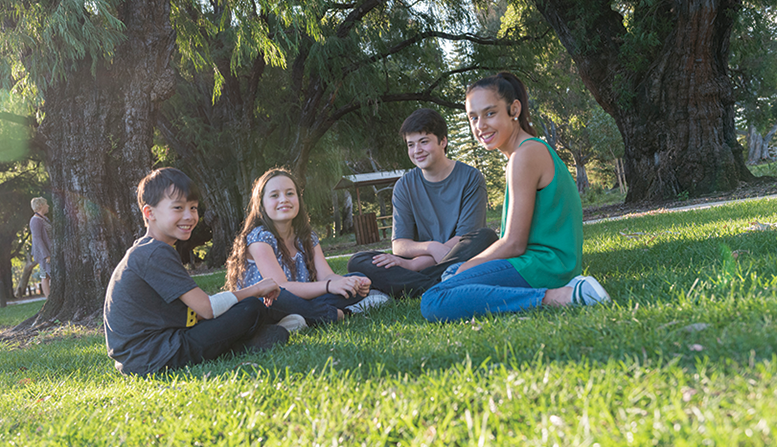
Flat out trying hard to keep up with the ever-changing threats from cyberbullying, The Kids Research Institute Australia counts itself fortunate to have youth on its side.
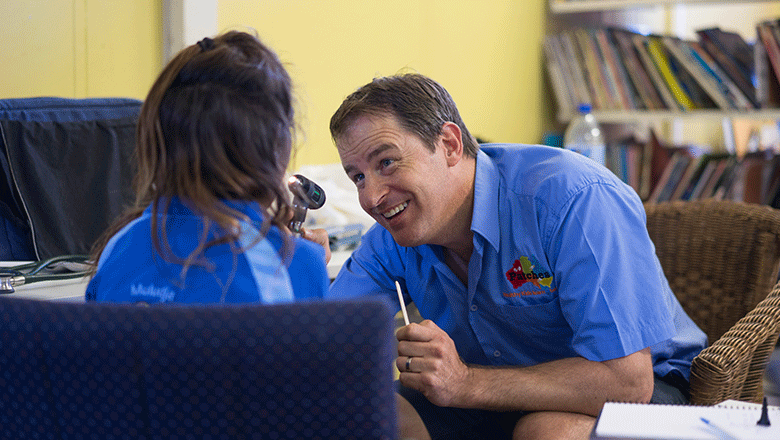
Researchers at The Kids Research Institute Australia have developed a range of new resources to help lawyers, judicial officers and other justice professionals
A new study of child maltreatment over the last 20 years in developed countries has found no consistent decrease in rates despite a raft of policy initiatives.