
Search

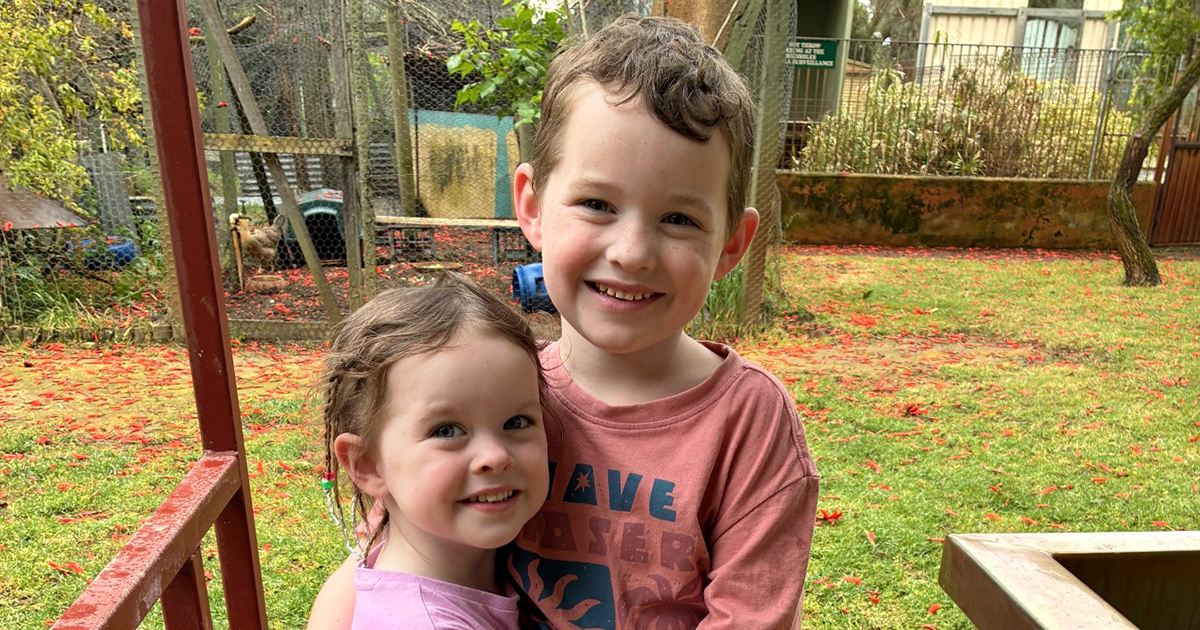
Nam-Anh Mum of two, Evelyn and Nicolas. Trial participant, project community member. I want to teach my children what it means to be part
For decades, cystic fibrosis (CF) meant a life shaped by daily treatments, frequent hospitalisations, and an uncertain future. The arrival of CFTR modulators has changed that picture dramatically, and researchers at the Wal-yan Respiratory Research Centre now want to understand the bigger picture.
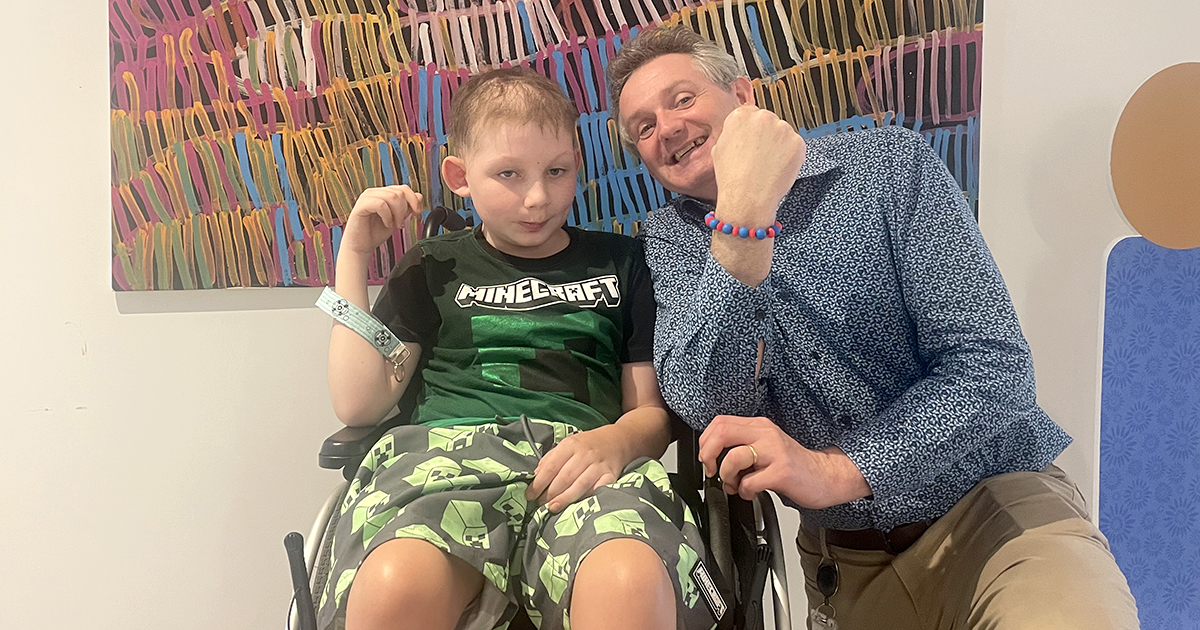
From a handful of handmade bracelets to a fundraising milestone with life-changing impact, Nickolai’s journey is one defined by resilience, generosity, and hope.
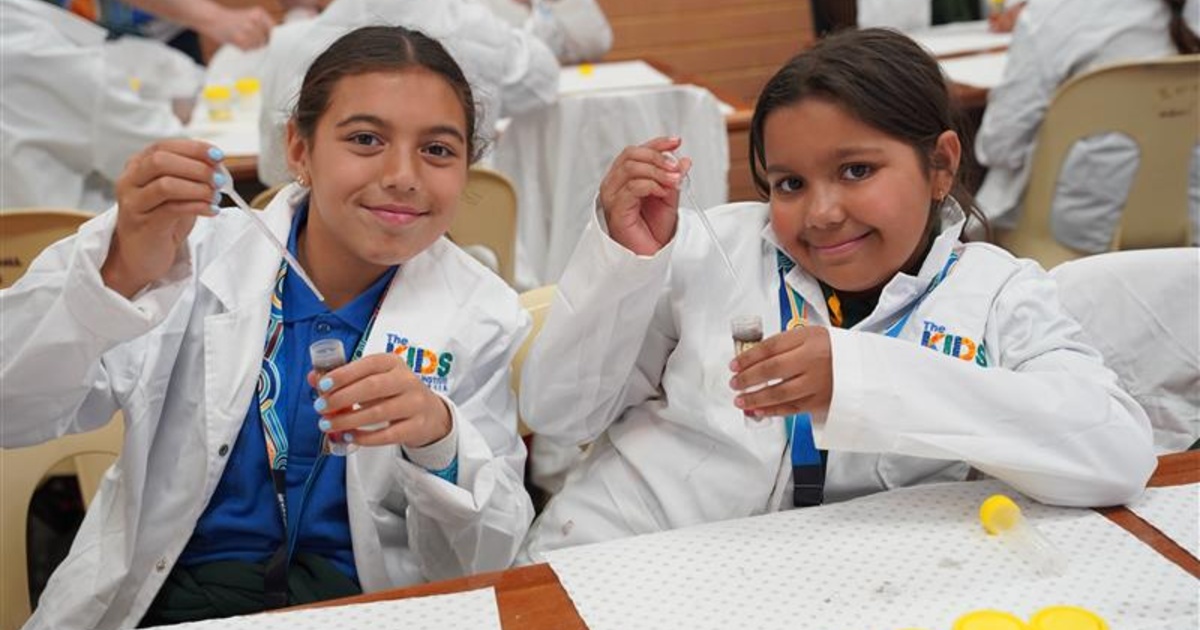
The Kids Research Institute Australia is returning to Kalgoorlie on 20 and 21 May 2026 to host its second STEM Festival and set off a chain-reaction of fun, with two idea-fuelled days of activities planned for local children and families
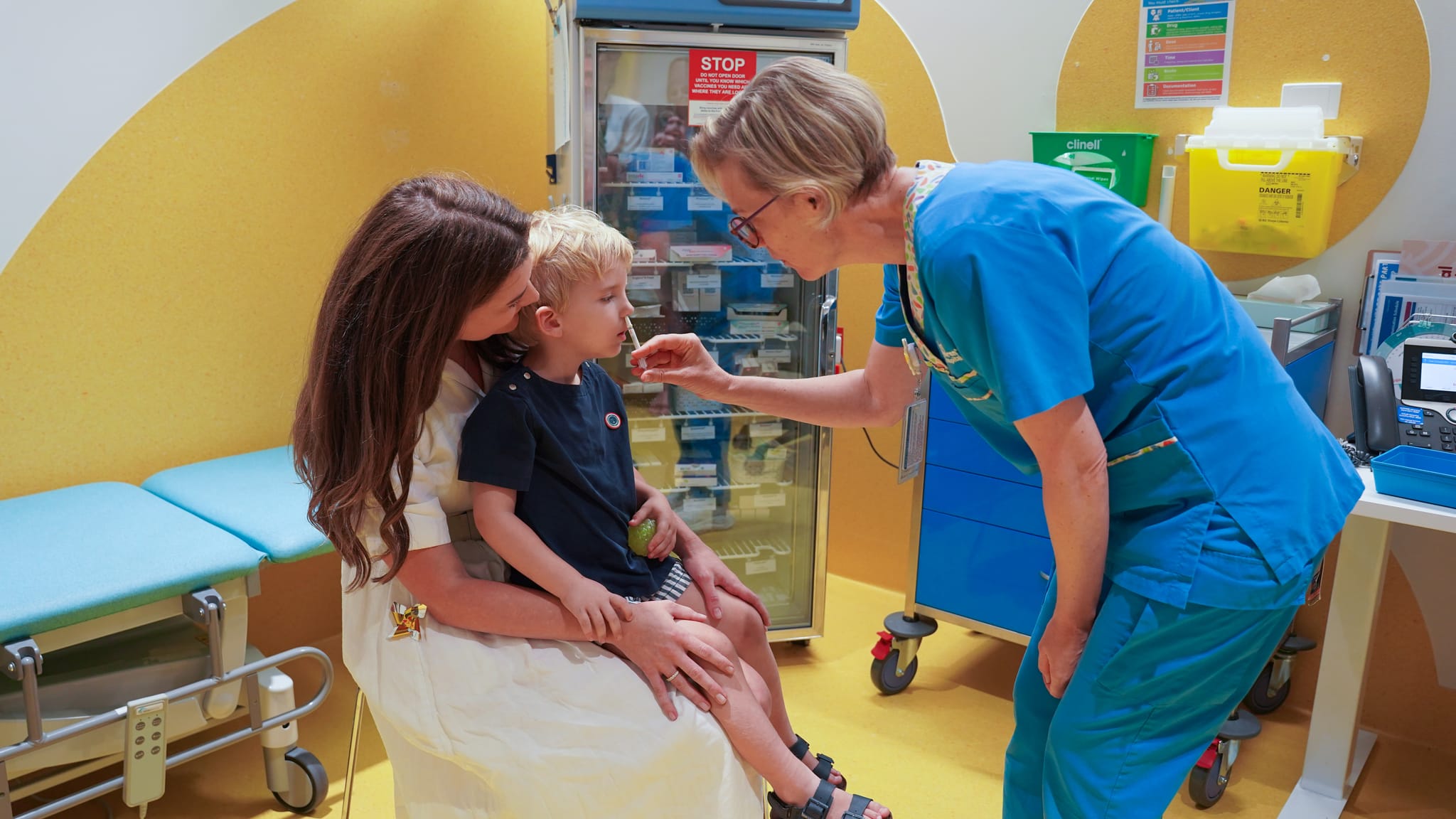
Researchers at The Kids Research Institute Australia hope an Australian-first nasal spray vaccine for two to 11-year-olds will boost flu vaccination this winter.

Aboriginal families across Western Australia are being equipped with the knowledge to take early action against potentially life-threatening skin infections thanks to the launch of a Strong Skin phone app.

As Neurodiversity Celebration Week draws to a close, we are shining a light on an important study underway at The Kids Research Institute Australia, led by Dr Thom Nevill, a Research Officer within our Human Development and Community Wellbeing and Child Disability teams.
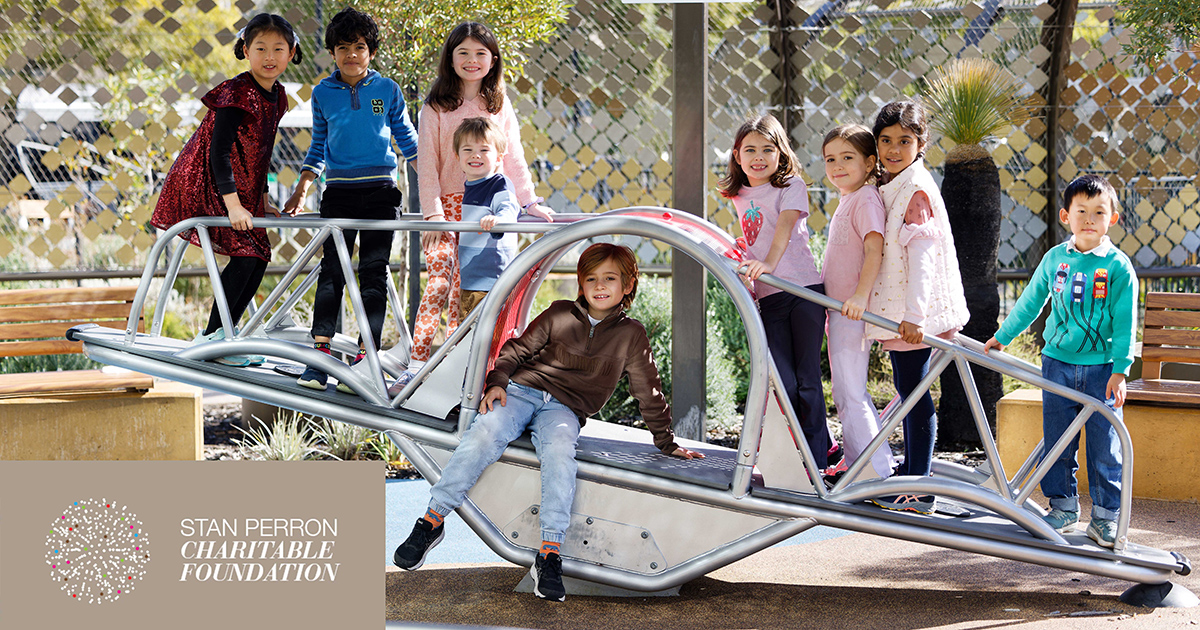
Eleven researchers from The Kids Research Institute Australia will benefit from the latest round of Stan Perron Charitable Foundation Research Fellowship and Platform grants, with two researchers receiving prestigious Perron Platform grants and a further ten awarded Research Fellowships.
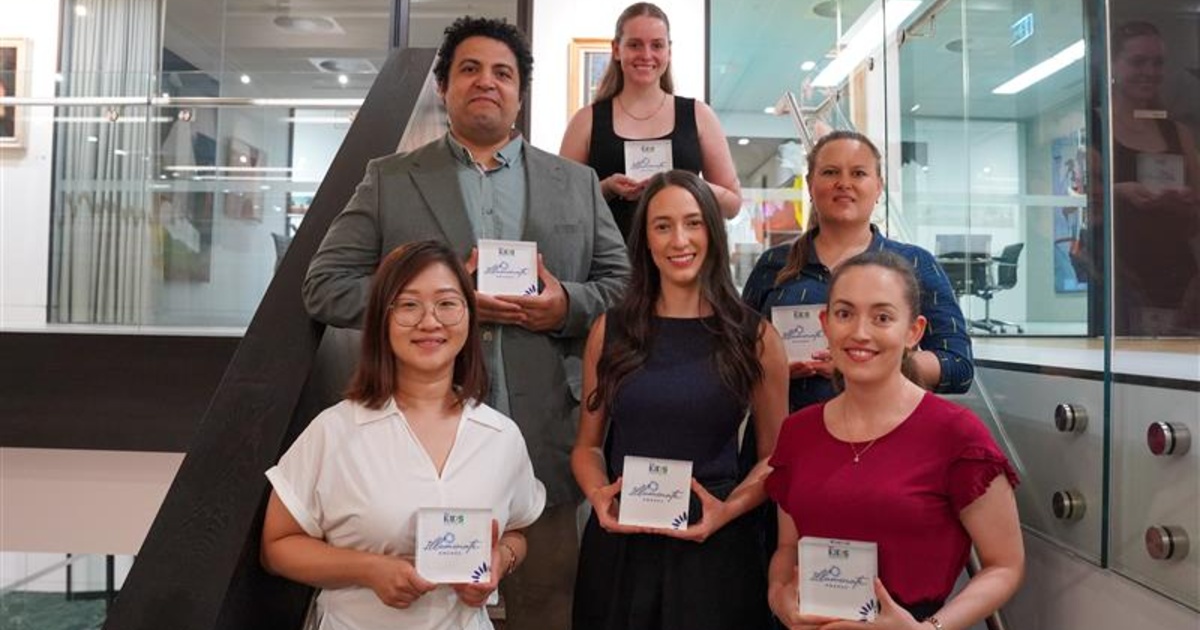
Ten emerging researchers took to the stage for our fourth Illuminate PitchFest, where community support helped push the total raised for Illuminate Awards past $1 million.
Rising carbon dioxide levels are being detected within the human body, with new research warning a key blood marker for the gas could near its healthy limit within decades if current trends continue.