
Search
Showing results for "early life"
This paper reports some of the findings from the Western Australian Influenza Vaccine Effectiveness Study, commenced in 2008, to evaluate a program providing...
This paper reports on treatment, and preventing infection in close contact, of invasive group A streptococcal (iGAS) using the antibiotic clindamycin and...
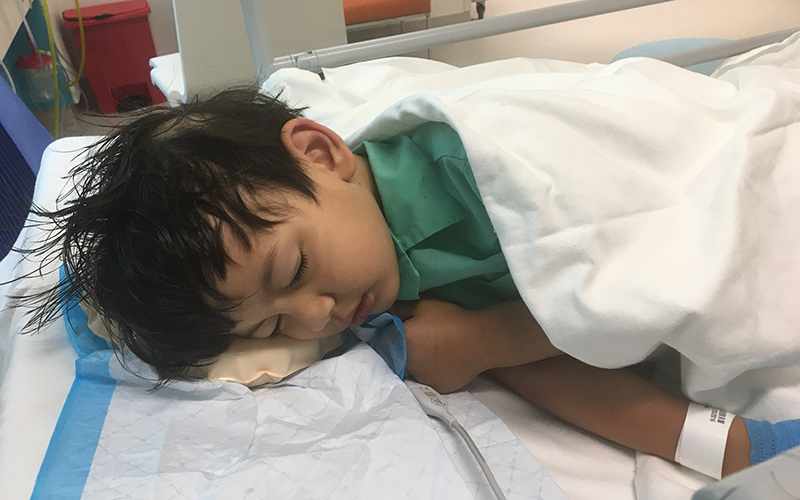
Charlie, 6, has ended up in hospital twice with invasive Strep A infection over his short lifetime – the first time when just three years old.
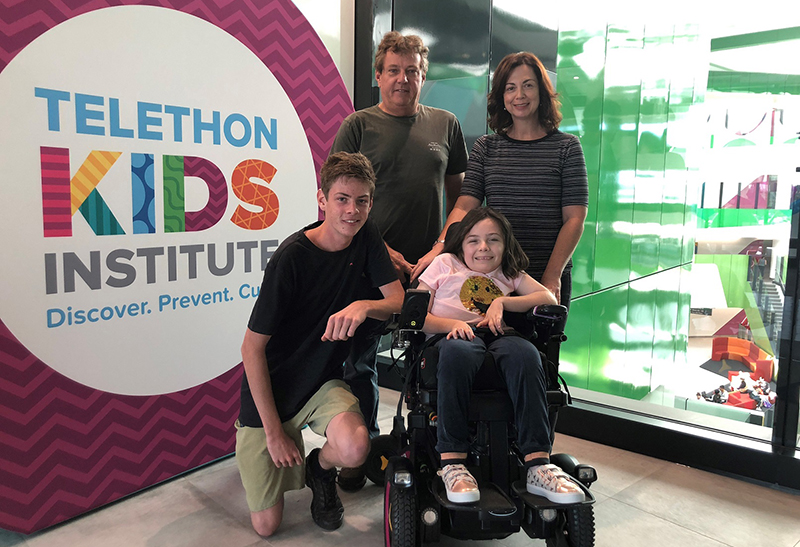
Mackenzie was 10 months old when her parents, Jodie and Scott, were given the life-changing news that their daughter would never walk.
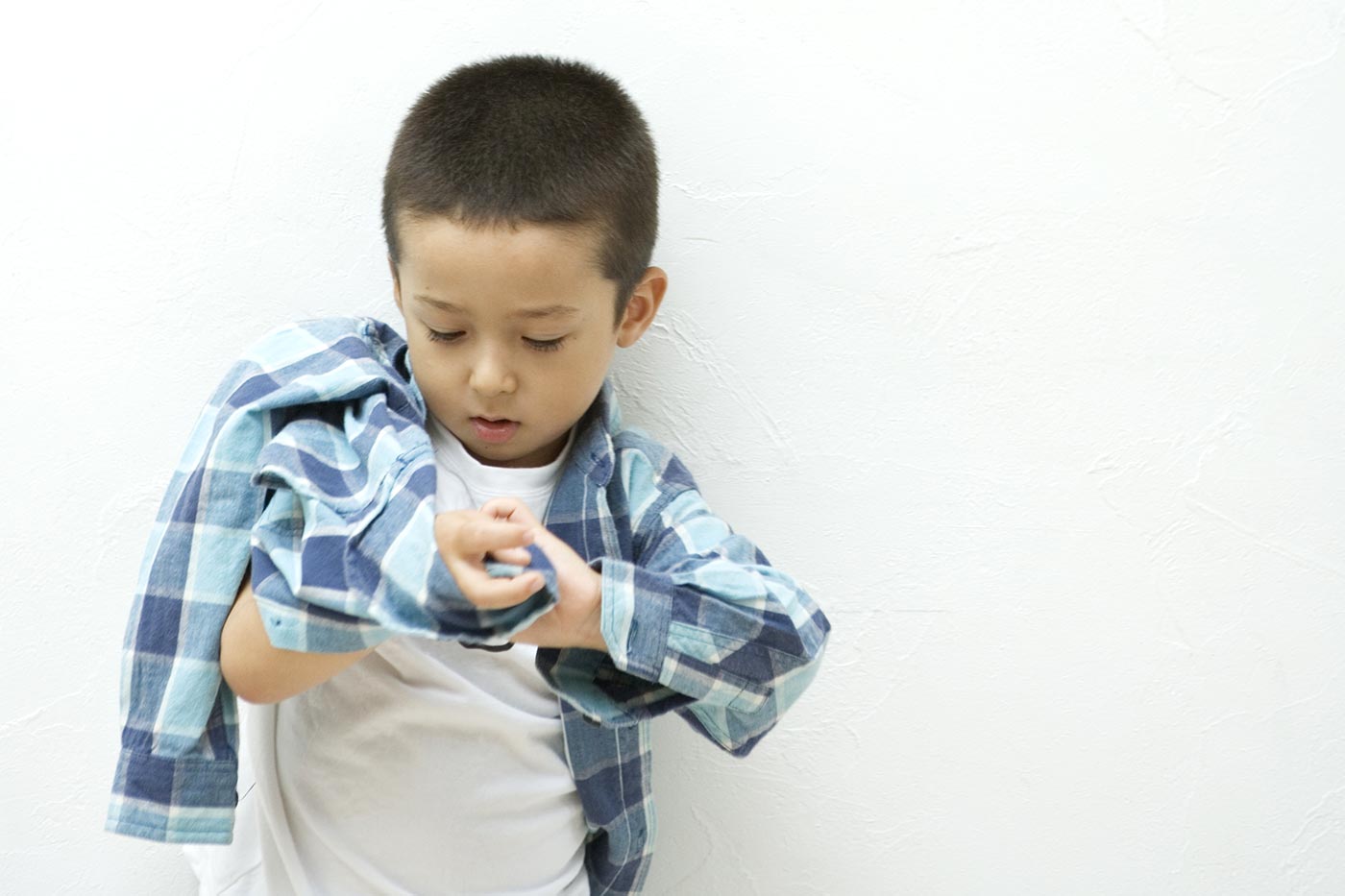
In this blog, Occupational Therapist Tarryn Culverhouse provides some tips to help your child increase their independence in dressing.
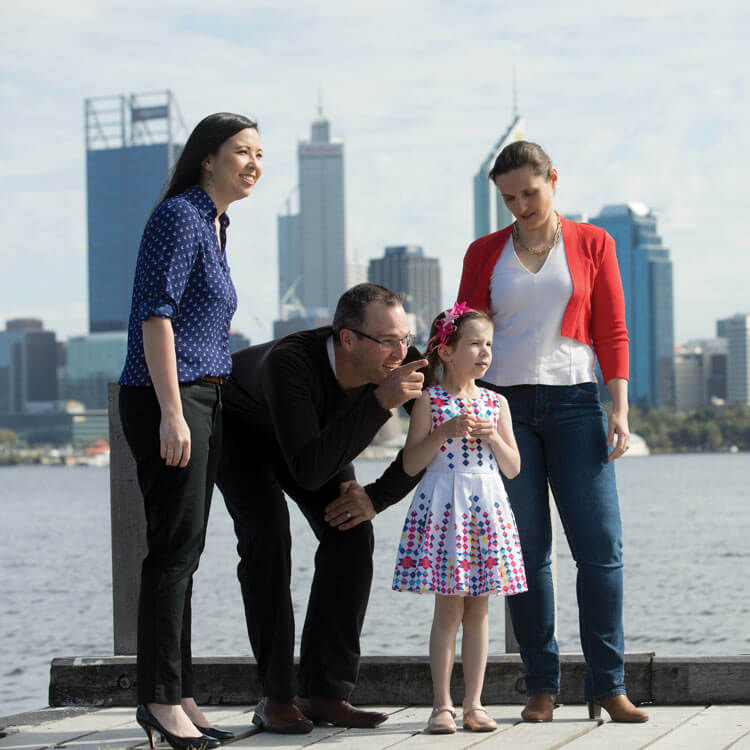
One of Australia’s leading cancer research centres continues to be powered by parents who decided to fight back. Hard.

In 2006, when a Japanese scientist building on the earlier work of a British biologist discovered a way to reprogram adult cells into other cell types – making them ‘pluripotent’ – the scientific world was entranced.

A small group program to help parents tackle anxiety in young children diagnosed with autism has found significant improvements in both children’s anxiety and parental mental health and wellbeing.
Biostatistics & Data Services
A comprehensive understanding of specific factors contributing to variability in responsiveness of children with autism to interventions is paramount for making evidence-based clinical and policy decisions. This meta-analysis examined child and family characteristics, as well as intervention design factors, associated with outcomes of behavioral interventions for children with autism.