
Search
Showing results for "early life"
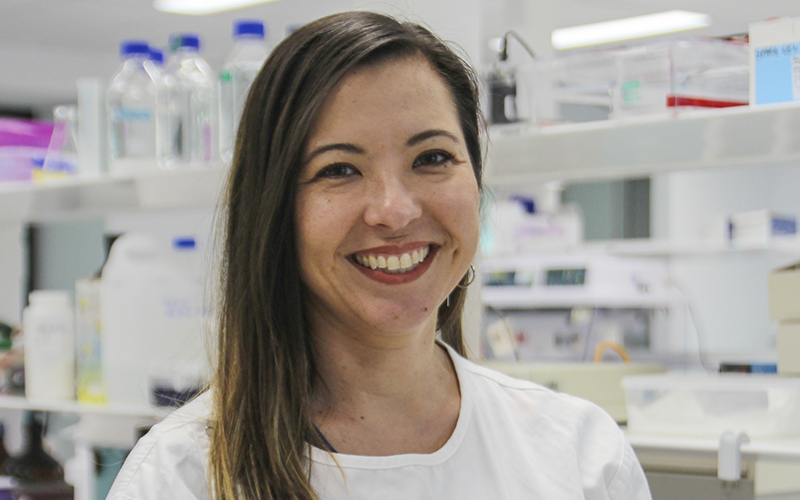
The Kids Research Institute Australia researcher, Dr Raelene Endersby, will work to develop less toxic treatments for children with brain cancer, thanks to support from Cancer Council WA.
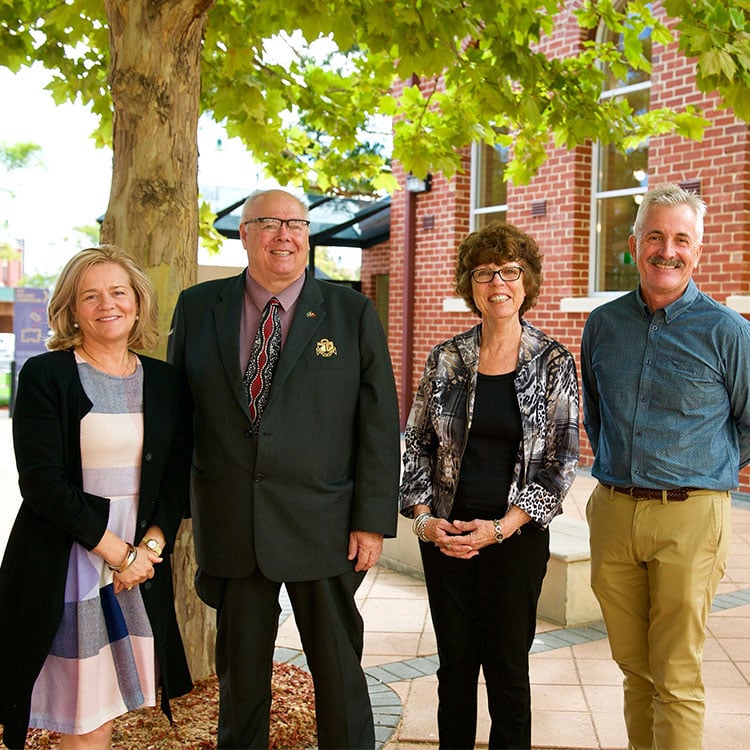
we the people worked with CoLab, a partnership between The Kids and Minderoo Foundation, to investigatethe needs of local families with children aged 0to8
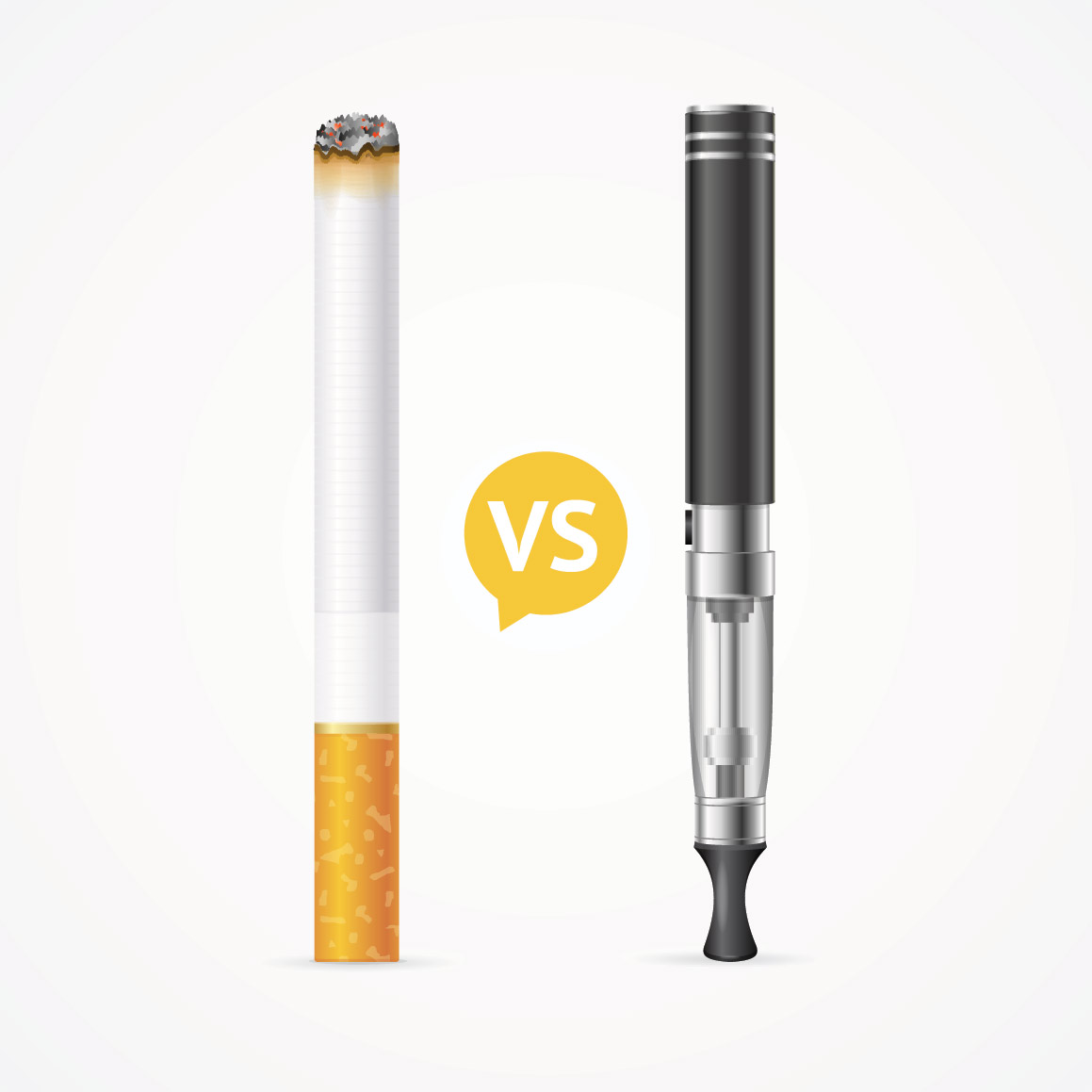
A study led by researchers at The Kids Research Institute Australia has shown that electronic cigarettes can cause lung damage.

Researchers at The Kids Research Institute Australia have found children with vitamin D deficiency are more likely to develop asthma.

A new study from Perth's Telethon Institute for Child Health Research has shown that children who are breastfed for longer than six months have a lower risk
Gina Hayley Trapp Christian BHSc(Hons1A), RPHNutr, PhD BSc (1st Class Hons), PhD (Distinction) W.Aust. Honorary Research Associate Head, Child
This unique and innovative project will be the first to quantify the local food environment around all government and non-government Perth metropolitan primary and secondary schools.

A new partnership between The Kids Research Institute Australia, Dr George Sim and St John of God Murdoch Hospital will offer essential surgery at no cost for a group of Aboriginal children suffering severe ear infections.
There are an estimated 5000 episodes per year of bloodstream infections due to Staphylococcus aureus (golden staph) in Australia and an associated mortality of 20%. Despite this, there is little clinical trials evidence to guide best management.
Staphylococcus aureus bacteraemia (SAB) is the most common cause of sepsis, contributing to paediatric intensive care unit admission in Australia and New Zealand. While deep venous thrombosis (DVT) has been reported in children with invasive S. aureus infections, the actual frequency and possible effects of thrombosis on disease severity and outcome in paediatric SAB remain unknown. Moreover, guidance regarding imaging for paediatric SAB management are poorly defined.