Skip to content
The Kids Research Institute Australia logo
Donate

Search

A community-led, trauma-informed psychosocial intervention to improve health outcomes of children and young people with Type-1 diabetes

T1D can be a traumatic diagnosis for children and young people, and often involves strict adherence to painful treatments, comorbid mental health conditions, and shortened life expectancy.

DiabHQ

The DiabHQ Patient Portal app is now available to WA children and families living with Type 1 diabetes.

Research

The use of automated insulin delivery around physical activity and exercise in type 1 diabetes: a position statement of EASD and ISPAD

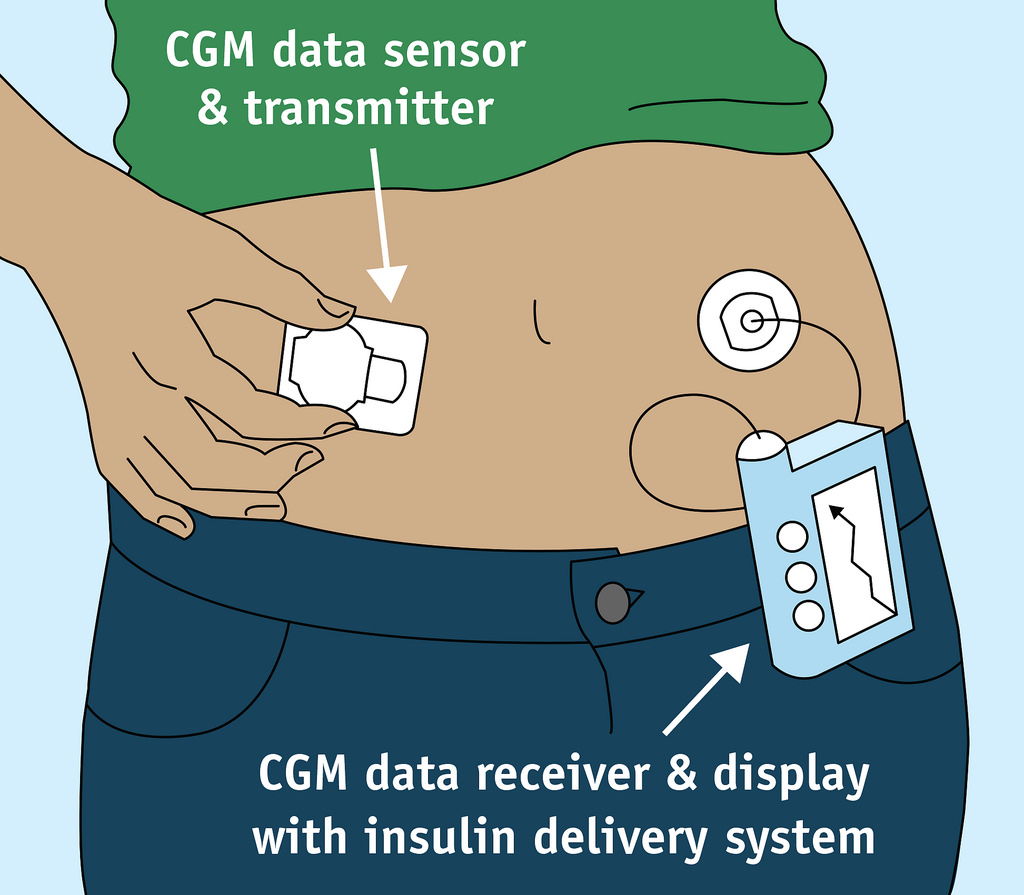
Regular physical activity and exercise (PA) are cornerstones of diabetes care for individuals with type 1 diabetes. In recent years, the availability of automated insulin delivery (AID) systems has improved the ability of people with type 1 diabetes to achieve the recommended glucose target ranges. PA provide additional health benefits but can cause glucose fluctuations, which challenges current AID systems.

Research

Six months of hybrid closed-loop therapy improves diabetes-specific positive well-being, and reduces diabetes distress and fear of hypoglycemia: secondary analysis of a controlled trial

This analysis aimed to investigate diabetes-specific psychological outcomes among adults with type 1 diabetes (T1D) using hybrid closed-loop (HCL) versus standard therapy. 

Research

Disparities in Diabetes Technology Uptake in Youth and Young Adults With Type 1 Diabetes: A Global Perspective

Globally, nearly 9 million people are living with type 1 diabetes (T1D). Although the incidence of T1D is not affected by socioeconomic status, the development of complications and limited access to modern therapy is overrepresented in vulnerable populations. Diabetes technology, specifically continuous glucose monitoring and automated insulin delivery systems, are considered the gold standard for management of T1D, yet access to these technologies varies widely across countries and regions, and varies widely even within high-income countries.

Research

Real-world glycaemic outcomes in children and young people on advanced hybrid closed-loop therapy: A population-based study in Western Australia

To evaluate real-world glycaemic outcomes in children with type 1 diabetes commencing advanced hybrid closed loop therapy and to explore these outcomes based on the cohort's clinical and socioeconomic characteristics.

Research

Early Dysglycemia Is Detectable Using Continuous Glucose Monitoring in Very Young Children at Risk of Type 1 Diabetes

Continuous glucose monitoring (CGM) can detect early dysglycemia in older children and adults with presymptomatic type 1 diabetes and predict risk of progression to clinical onset. However, CGM data for very young children at greatest risk of disease progression are lacking. 

Research

Plastics in human diets: development and evaluation of the 24-h Dietary Recall — Plastic Exposure and the Dietary Plastics Score

Humans are commonly exposed to plastic through their dietary intake and food consumption patterns. Plastic-associated chemicals (PAC), such as bisphenols and phthalates, are recognized as endocrine-disrupting and are associated with increased risk of cardiovascular disease and metabolic syndrome. However, accurate methods to assess dietary exposure to plastic products and PAC are inadequate, limiting interrogation of health impacts. 

Research

"i Think i Could Have Used It Better": Experiences of Youth with High HbA1c Commencing Advanced Hybrid Closed-Loop Therapy in a Clinical Trial Setting - A Qualitative Research

Advanced hybrid closed-loop (AHCL) therapy improves glycemia. However, it is not known if there is an improvement in overall outcomes with AHCL for youth with type 1 diabetes (T1D) at high risk of diabetes-related complications. The study aimed to capture the experiences of youth with suboptimal glycemic control when commencing AHCL therapy in a clinical trial setting. 

Research

Contributions of digital technologies for resilience capacity in a type 1 diabetes transition clinic: A qualitative study

A type 1 diabetes (T1D) transition clinic in Sydney, Australia, provides age specific care for young adults (aged 16-25 years) and for adults (aged 21 years and above), and has reported improved clinical outcomes post transition to adult care over a 21-year period. This study investigated the contribution of digital technology to long-term resilient capacity of the clinic.