
Search
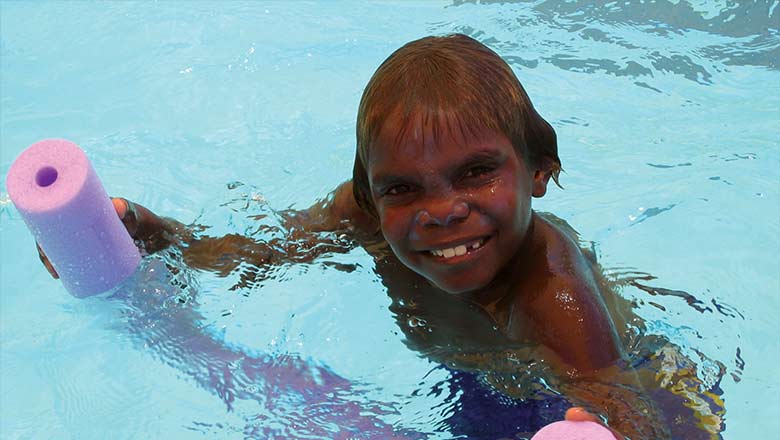
A comprehensive study into the impact of swimming pools in remote Aboriginal communities has found significant health and social benefits for children.
The most comprehensive survey every undertaken of Aboriginal education has found little significant improvement in outcomes for children in more than 30 years
GAP BETWEEN DEATH RATES FOR ABORIGINAL AND NON-ABORIGINAL INFANTS WIDENING
The largest survey ever undertaken of Aboriginal children and families has thrown new light on why most existing intervention programs are failing.
A new report has found that the long term effects of past government policies to forcibly separate Aboriginal children from their families are being felt
A landmark new report on the social and emotional wellbeing of Aboriginal children
Aboriginal researcher Annette Stokes has been awarded the Fiona Stanley Medal for her commitment to improving child health and wellbeing.
Between 1964 and 1996, the 10-year survival of patients having valve replacement surgery for rheumatic heart disease (RHD) in the Northern Territory, Australia, was 68%. As medical care has evolved since then, this study aimed to determine whether there has been a corresponding improvement in survival.
Acute rheumatic fever and rheumatic heart disease disproportionately affect Aboriginal and Torres Strait Islander people in Australia, with devastating impacts on morbidity, mortality and community wellbeing. Research suggests that general practitioners and primary care staff perceive insurmountable barriers to improving clinical outcomes, including the need for systemic change outside their scope of practice.
While there are many skin infections, reducing the burden of scabies and impetigo for remote living Aboriginal people, particularly children remains challenging. Aboriginal children living in remote communities have experienced the highest reported rate of impetigo in the world and are 15 times more likely to be admitted to hospital with a skin infection compared to non-Aboriginal children.