
Search
Showing results for "early life"
Cytokines of the TGF-β superfamily control essential cell fate decisions via receptor regulated SMAD (R-SMAD) transcription factors. Ligand-induced R-SMAD phosphorylation in the cytosol triggers their activation and nuclear accumulation. We determine how R-SMADs are inactivated by dephosphorylation in the cell nucleus to counteract signaling by TGF-β superfamily ligands.
Recent interest in the diverse ecosystem of bacteria, fungi and viruses that make up the skin microbiome has led to numerous studies investigating the skin microbiome in healthy skin and in dermatological conditions. However, skin microbiome analysis is challenging due to relatively low numbers of skin microorganisms compared to mucosal sites, such as the respiratory or gastrointestinal tracts. Microbiome results are heavily influenced by sampling methods.
Manifestations of insistence on sameness and circumscribed interests are complex, with individuals varying considerably, not only in the types of behaviours they express, but also in terms of a behaviour's frequency, intensity, trajectory, adaptive benefits, and impacts.
The heterogeneity of autism spectrum disorder clinically and aetiologically hinders intervention matching and prediction of outcomes. This study investigated if the behavioural, sensory, and perinatal factor profiles of autistic children could be used to identify distinct subgroups. Participants on the autism spectrum aged 2 to 17 years and their families were sourced via the Australian Autism Biobank.

Meet Keely Bebbington. The clinical psychologist recently joined the Children’s Diabetes Centre as the McCusker Research Fellow in Type 1 Diabetes — a Fellowship that was established in response to the need for a dedicated focus on the mental health and wellbeing of young people with Type 1 Diabetes

The Diabetes Service at Perth Children’s Hospital cares for approximately 1000 children with diabetes. Read these tips to ensure you have a good visit.

The school holidays and Christmas are a welcome break for most families but the lack of routine can prove a trying time for families living with Type 1 Diabetes
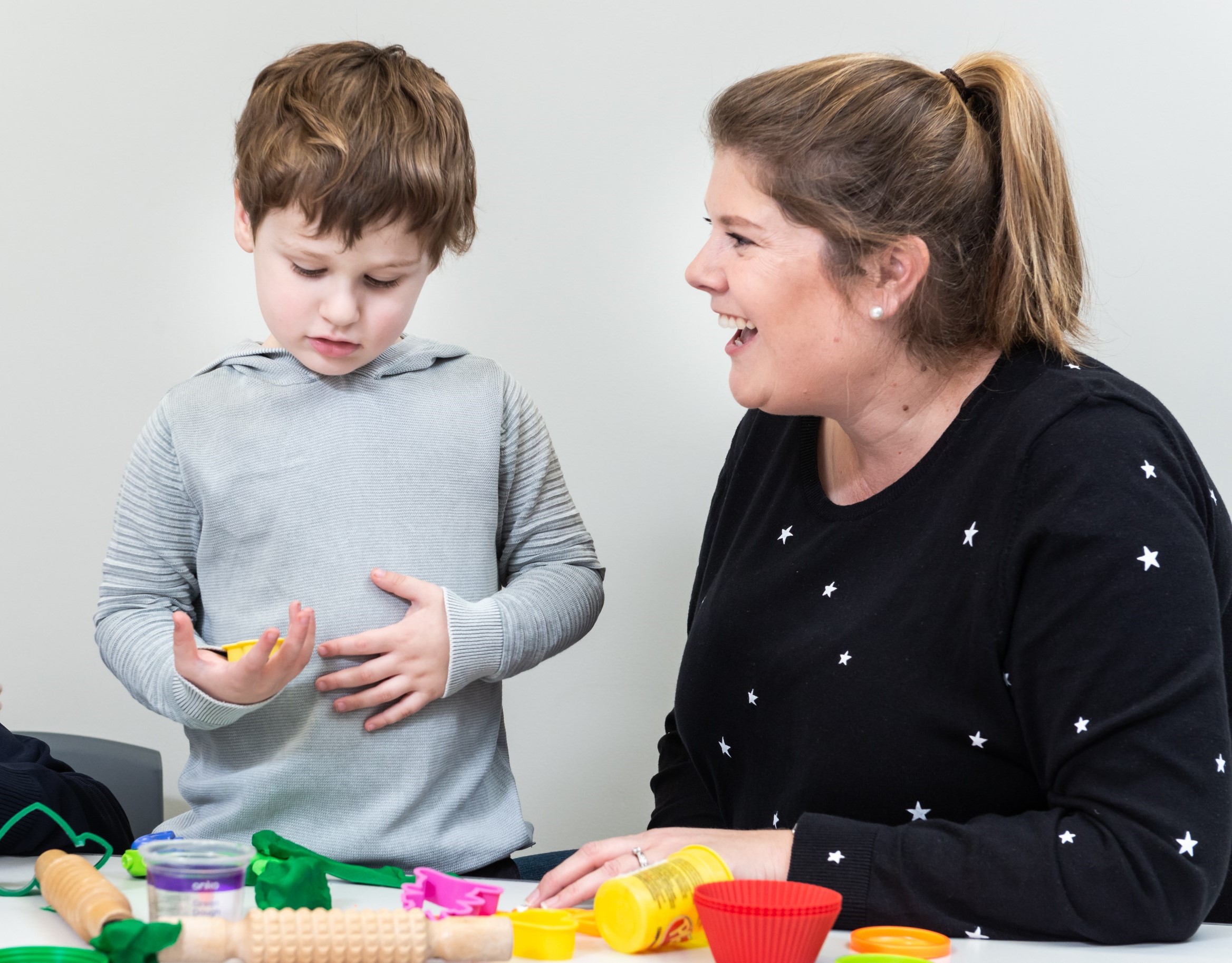
At CliniKids, we offer a communication therapy called PACT to caregivers of children who would like some additional support to understand their child’s communication.
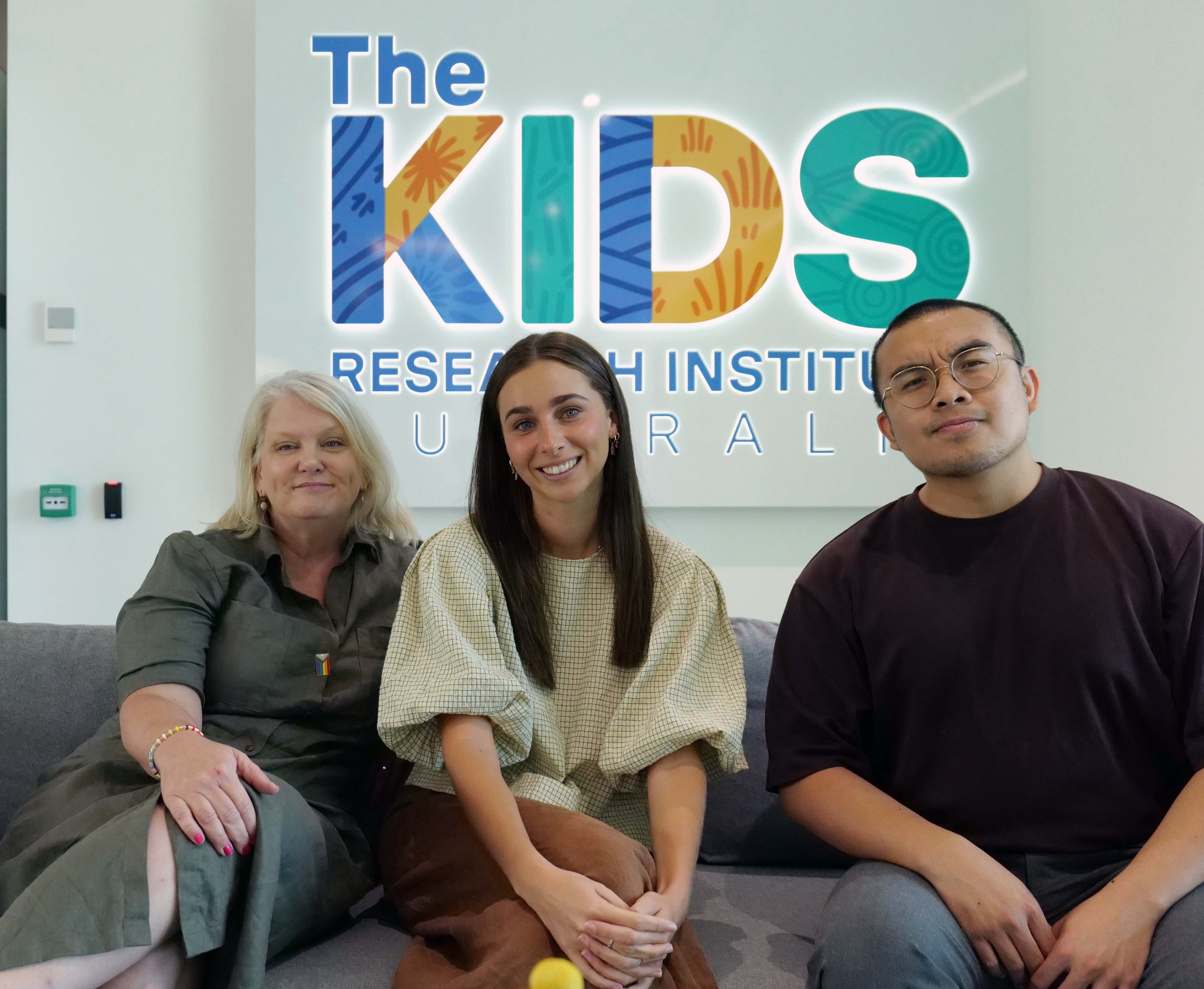
Increasing resilience is critical to reduce the burden of living with type one diabetes (T1D), according to participants of a new study.
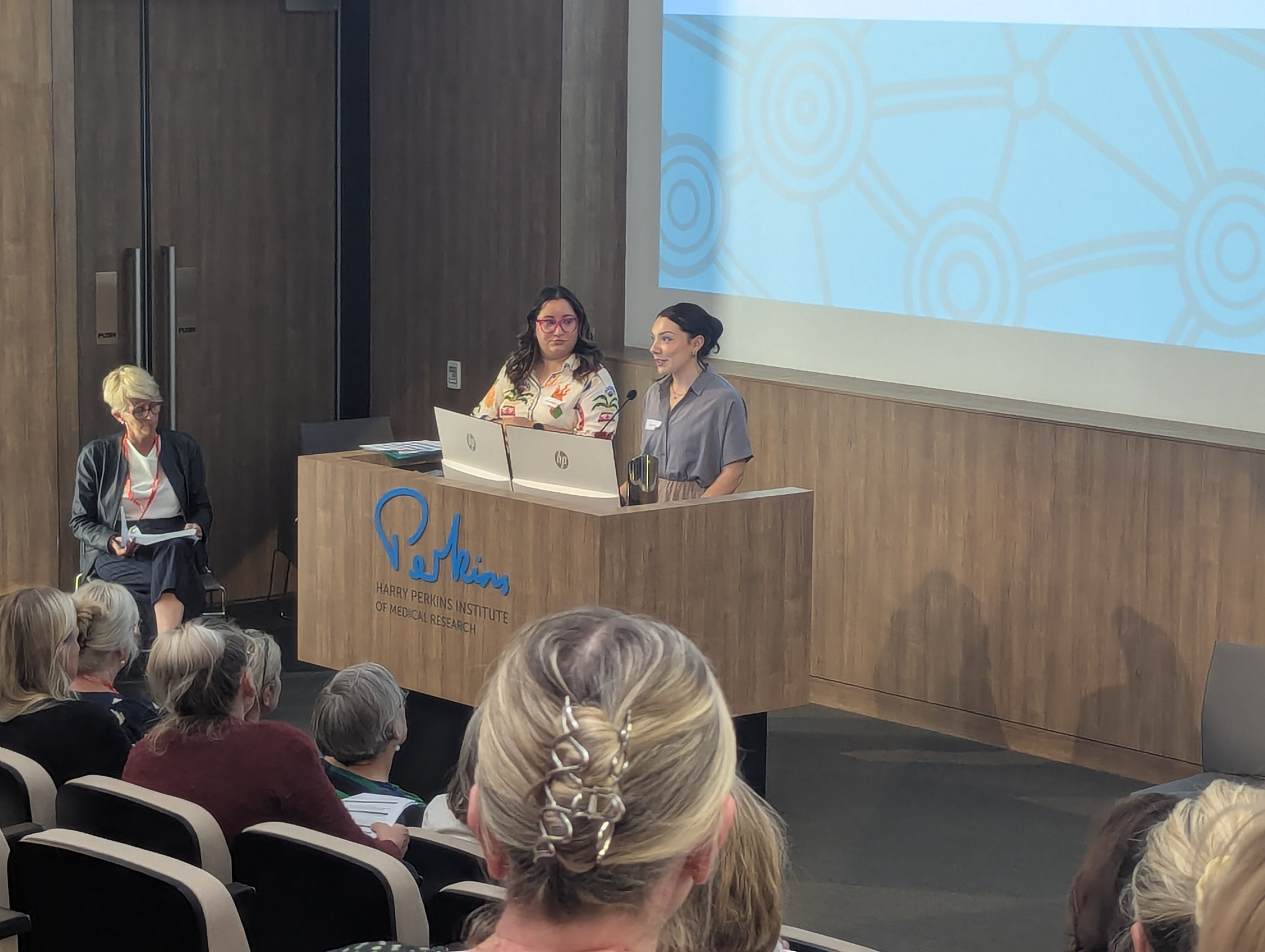
Senior Embrace researcher Dr Alix Woolard has called for more support for NICU parents and families at the 2025 Perinatal and Infant Mental Health Symposium.