
Search
Showing results for " https://www.galaxus.ch/en/sector/showdiscussion/snaphack-iphone-visit-kunghaccom-nssr1r3i-224165"
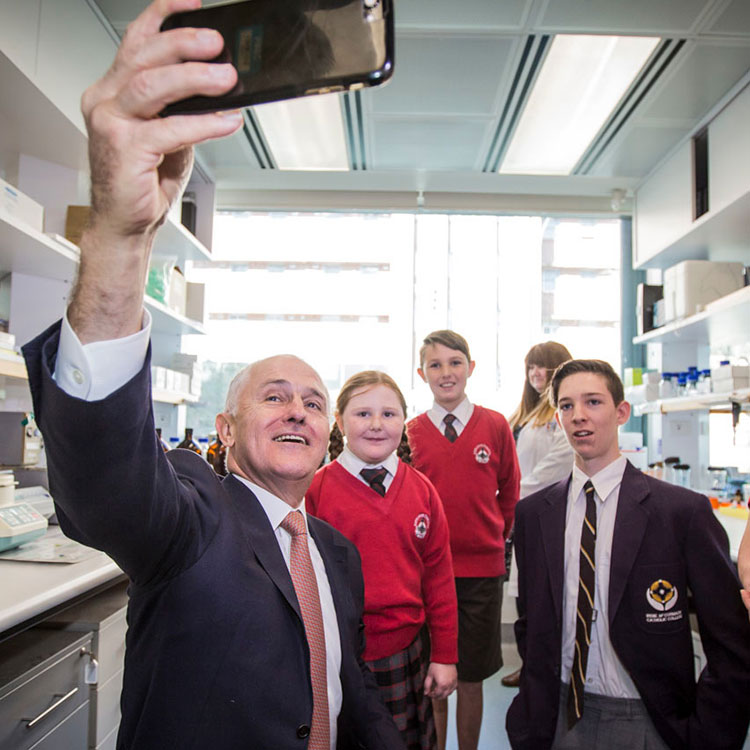
We welcomed the Prime Minister Malcolm Turnbull, Minister for Finance Mathias Cormann and Minister for Foreign Affairs Julie Bishop to the Institute.
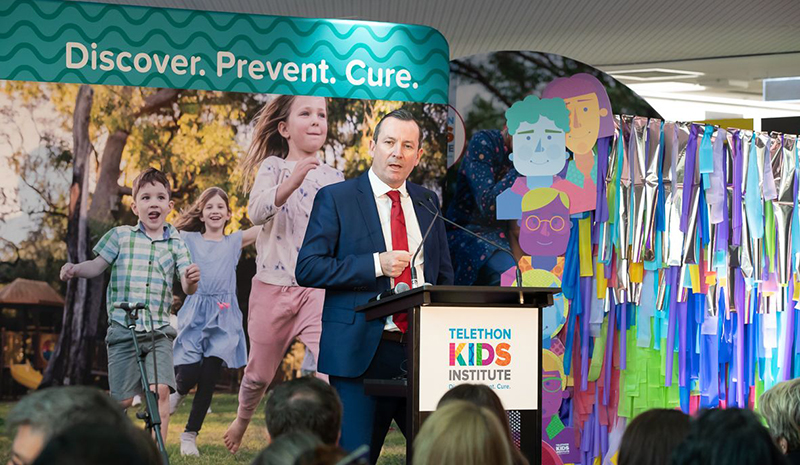
Budding young scientists can now gain an insight into the world of research thanks to The Kids Research Institute Australia’s newly opened Discovery Centre.
The Opportunity This position provides an opportunity to be part of an exciting research agenda and a growing team of dedicated professionals. This
Assist Research Focus Area Heads in developing "Big Ideas" proposals to meet the Institute's strategic goals.
To better characterise prematurity-associated lung disease, adult spirometry phenotype classifications (obstructive lung disease, preserved ratio impaired spirometry and dysanapsis) have been applied to children born preterm. It is unknown how these phenotypes track over time.
Dog ownership is common in families with children and could play a role in children's social-emotional development. This study used longitudinal data on dog ownership and changing dog ownership to investigate their effects on young children's social-emotional development.
Pete Azzopardi PhD, FRACP, MEpi, MBBS, GDipBiostats, BMedSci Head, Adolescent Health and Wellbeing Head, Adolescent Health and Wellbeing Professor
Child poverty remains a major global concern and a child's experience of deprivation is heavily shaped by where they live and the stability of their local neighbourhood. This study examines frequencies and patterns of residential mobility in children and young people at a population level using novel geospatial techniques to assess how often their physical environment changes and to identify geographical variations in social mobility.
Overweight and obesity in children continues to increase. Yet, the role of active transport, namely walking, in mitigating these trends remains unclear. This study examined the cross-sectional association between walkability and children's Body Mass Index (BMI) and how this varies by socio-economic and lifestyle characteristics.
Children's physical activity and screen time behaviours impact their physical health and well-being. In Australia, less than half of children meet daily physical activity recommendations and only one-third meet daily screen time recommendations.