
Search
The JDRF Global Centre of Excellence is being driven by two of Australia’s leading diabetes researchers and clinicians, Professors Liz Davis and Tim Jones based at The Kids Research Institute Australia and Perth Children’s Hospital.
Privacy Policy
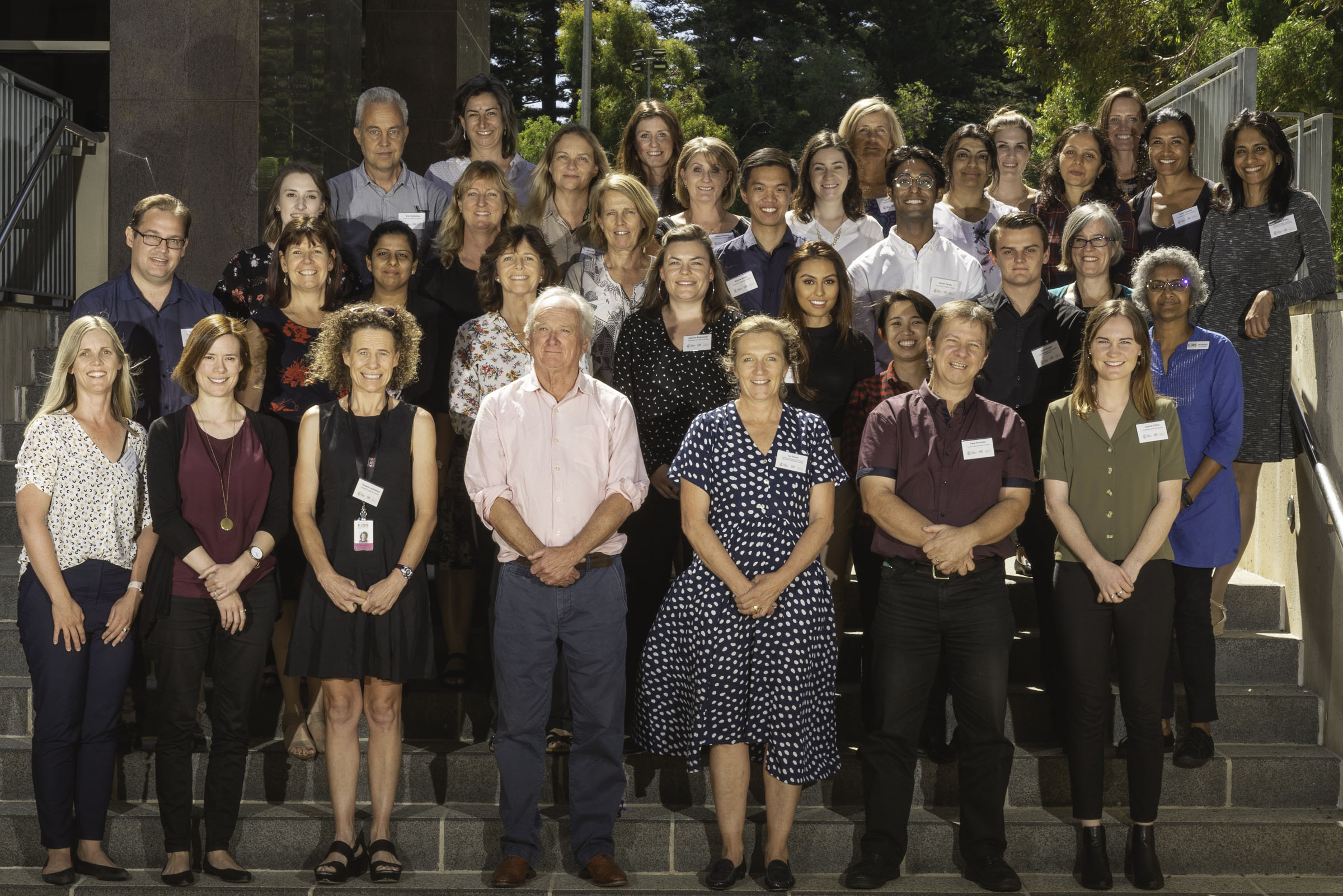
Find out what the Children's Diabetes Centre is and what research it is conducting.

Life does not stop with type 1 diabetes: A new series of CALD videos has been released for families living with Type 1 Diabetes. The resources were made with assistance from Perth Children's Hospital’s Endocrinology and Diabetes team and families.
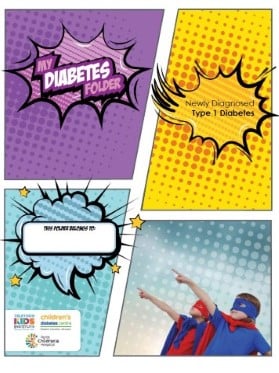
Our new and improved patient folder is a comprehensive resource to help families navigate a new type 1 diabetes diagnosis, now and into the future.

Discover essential insights on food and nutrition for Type 1 Diabetes, from carb counting to meal planning.
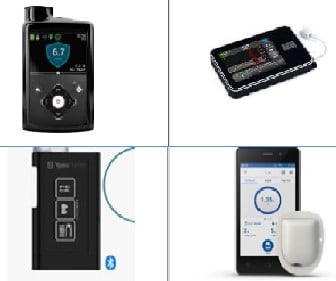
Pump Comparison tool . This easy-to-use updated comparison tool is designed to help you pick the right device for your family.

Websites we think you'll find useful.
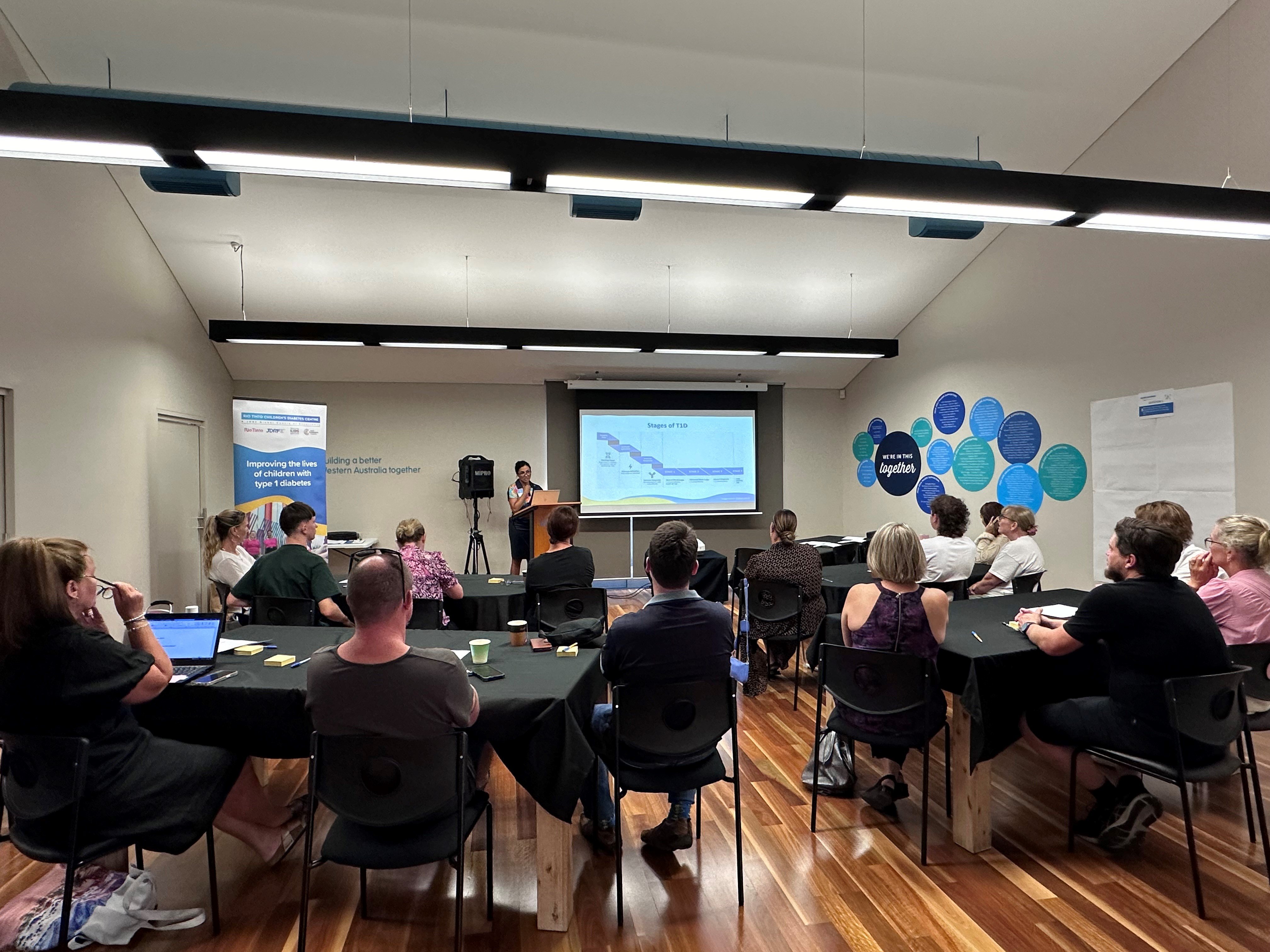
Find out how to participate in our research and community groups.
We are in a new era of T1D care. We can now identify and provide care for people across a spectrum of T1D, from early-stage T1D to symptomatic insulin requiring T1D (Stage 3 and Stage 4). And for the first time since the discovery of insulin over 100 years ago, Australia has approved a new therapy, Teplizumab.