
Search
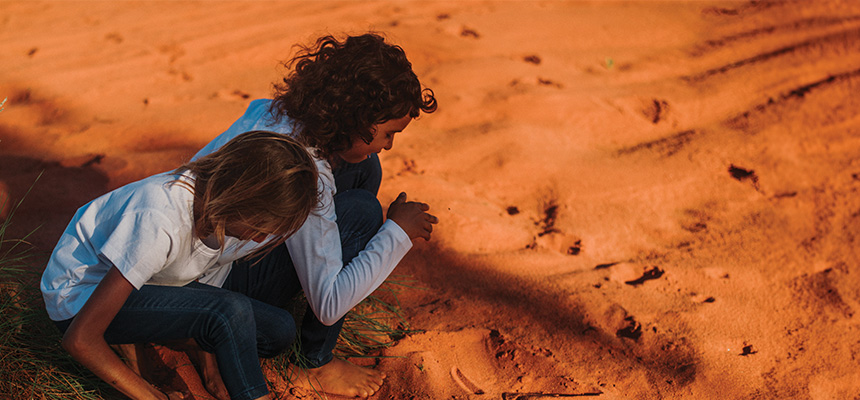
Aboriginal families and communities have endured the imposition of countless ‘solutions’ and had to live with the consequences of these ineffective initiatives. Those consequence are sadly evident in the unrelenting gap in outcomes for Aboriginal kids, compared with other Australian children.
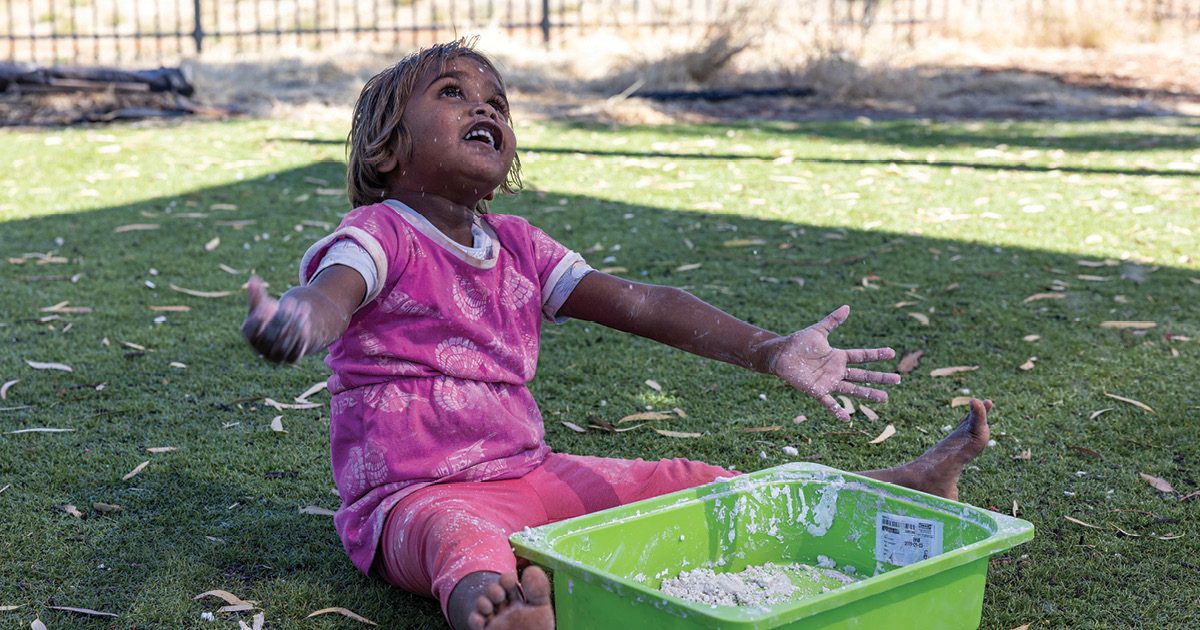
A unique initiative is combining research, action and advocacy to deliver evidence- based improvements to the health and wellbeing of Aboriginal families in Perth and Western Australia’s north west.
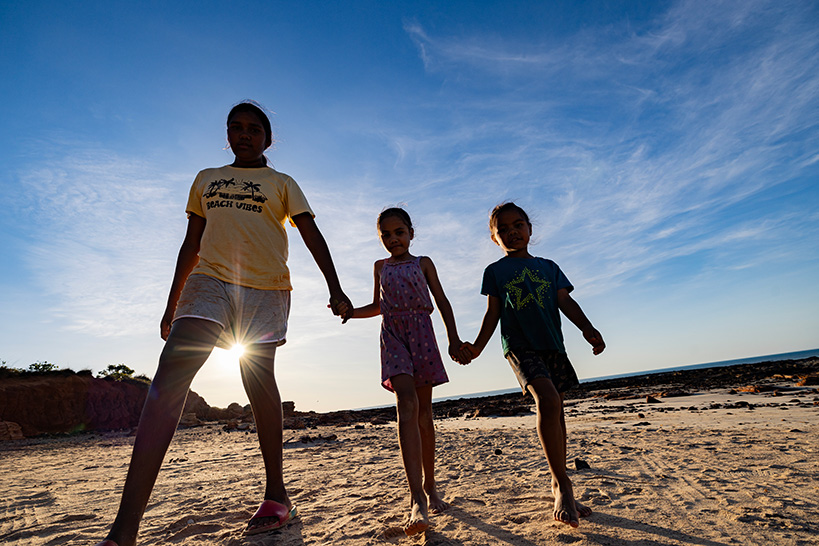
Aboriginal health is everyone's business. The needs of Aboriginal and Torres Strait Islander families and kids is integrated into all relevant areas of our work. Improving the health and wellbeing of Aboriginal and Torres Strait Islander kids and families is an overarching priority for every team at The Kids.
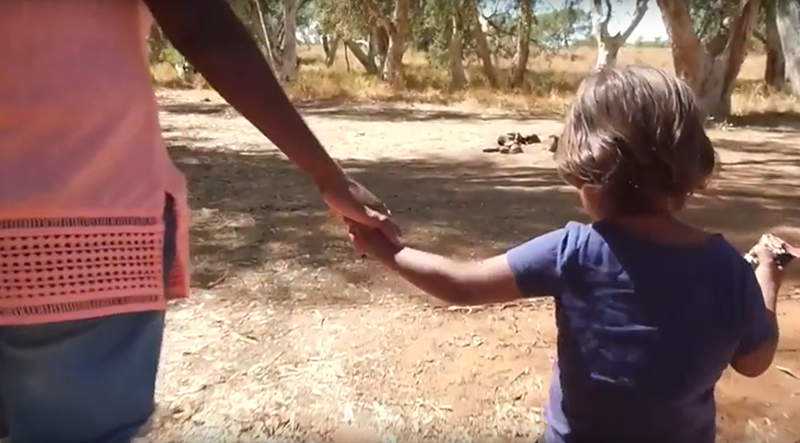
A landmark study has revealed an increase in the prevalence of mental health related issues among mothers of Aboriginal children in Western Australia.
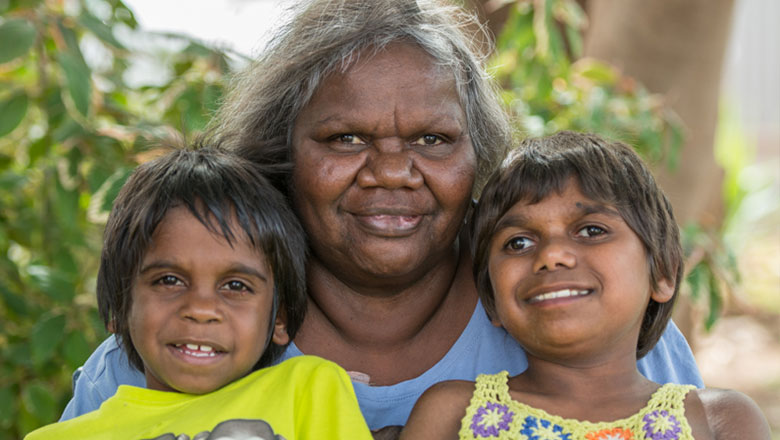
Can resilience improve health outcomes in Aboriginal young people? That question will be explored by The Kids Research Institute Australia researcher Clair Scrine.
Aboriginal young people are experts in their own experience and are best placed to identify the solutions to their mental health and wellbeing needs. Given that Aboriginal young people experience high rates of mental health concerns and are less likely than non-Indigenous young people to access mental health services, co-design and evaluation of appropriate mental health care is a priority.
It is critical that health service evaluation frameworks include Aboriginal people and their cultural worldviews from design to implementation. During a large participatory action research study, Elders, service leaders and Aboriginal and non-Aboriginal researchers co-designed evaluation tools to test the efficacy of a previously co-designed engagement framework. Through a series of co-design workshops, tools were built using innovative collaborative processes that foregrounded Aboriginal worldviews.
International guidelines recommend multidisciplinary intervention programs for addressing childhood obesity. In Western Australia, community-based healthy lifestyle programs for children and young people are insufficient for demand, especially for those over-represented in obesity statistics relating to prevalence. This protocol outlines the implementation and evaluation of an adapted, evidenced, community-based program in Perth, Western Australia.
Diffuse midline gliomas (DMG), including diffuse intrinsic pontine gliomas (DIPG), are the most lethal of childhood cancers. Palliative radiotherapy is the only established treatment, with median patient survival of 9 to 11 months. ONC201 is a DRD2 antagonist and ClpP agonist that has shown preclinical and emerging clinical efficacy in DMG.
Supratentorial RELA fusion (ST-RELA) ependymomas (EPNs) are resistant tumors without an approved chemotherapeutic treatment. Unfortunately, the molecular mechanisms that lead to chemoresistance traits of ST-RELA remain elusive. The aim of this study was to assess RELA fusion-dependent signaling modules, specifically the role of the Hedgehog (Hh) pathway as a novel targetable vulnerability in ST-RELA.