
Search
Showing results for "early life"
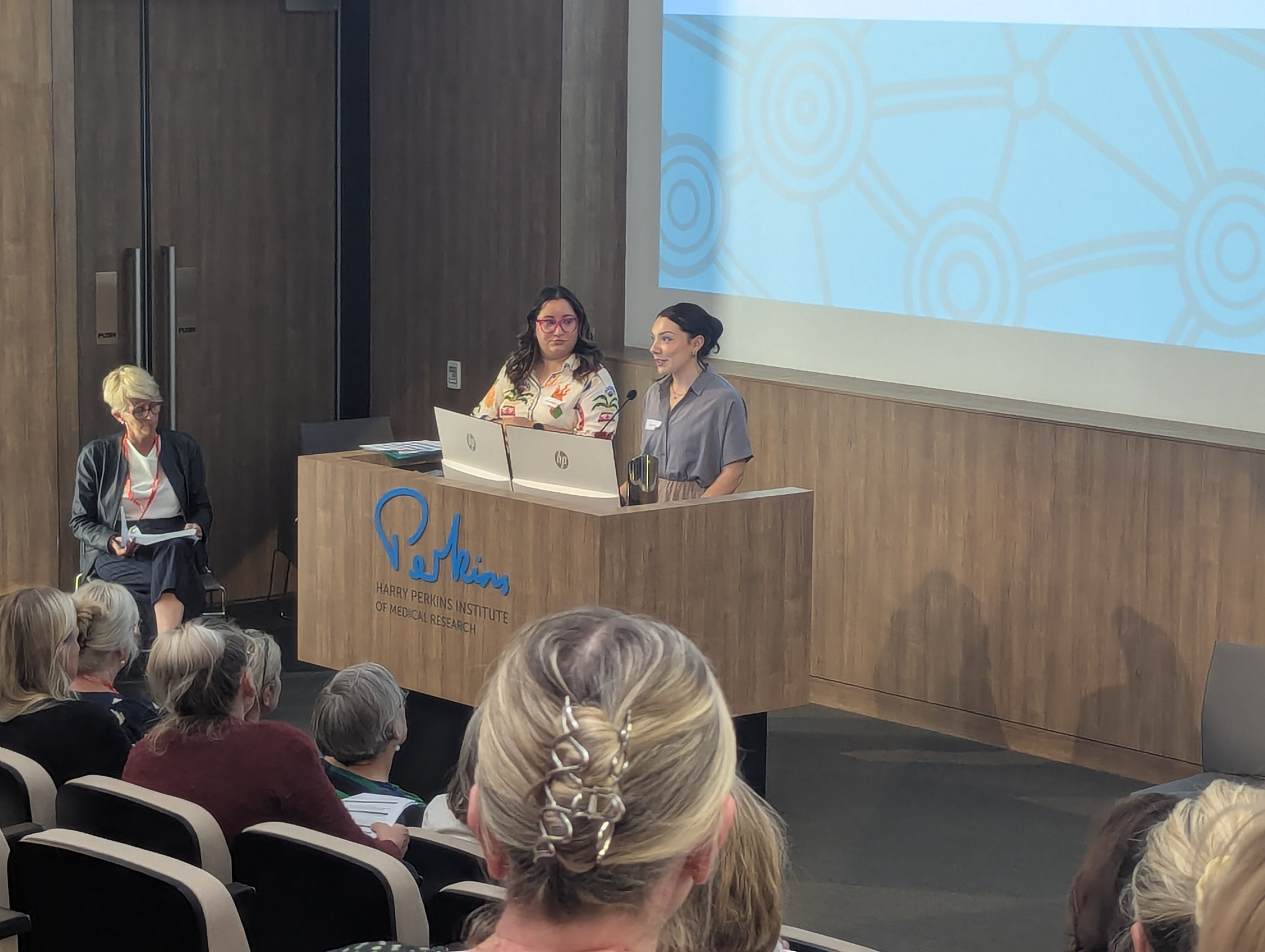
Senior Embrace researcher Dr Alix Woolard has called for more support for NICU parents and families at the 2025 Perinatal and Infant Mental Health Symposium.
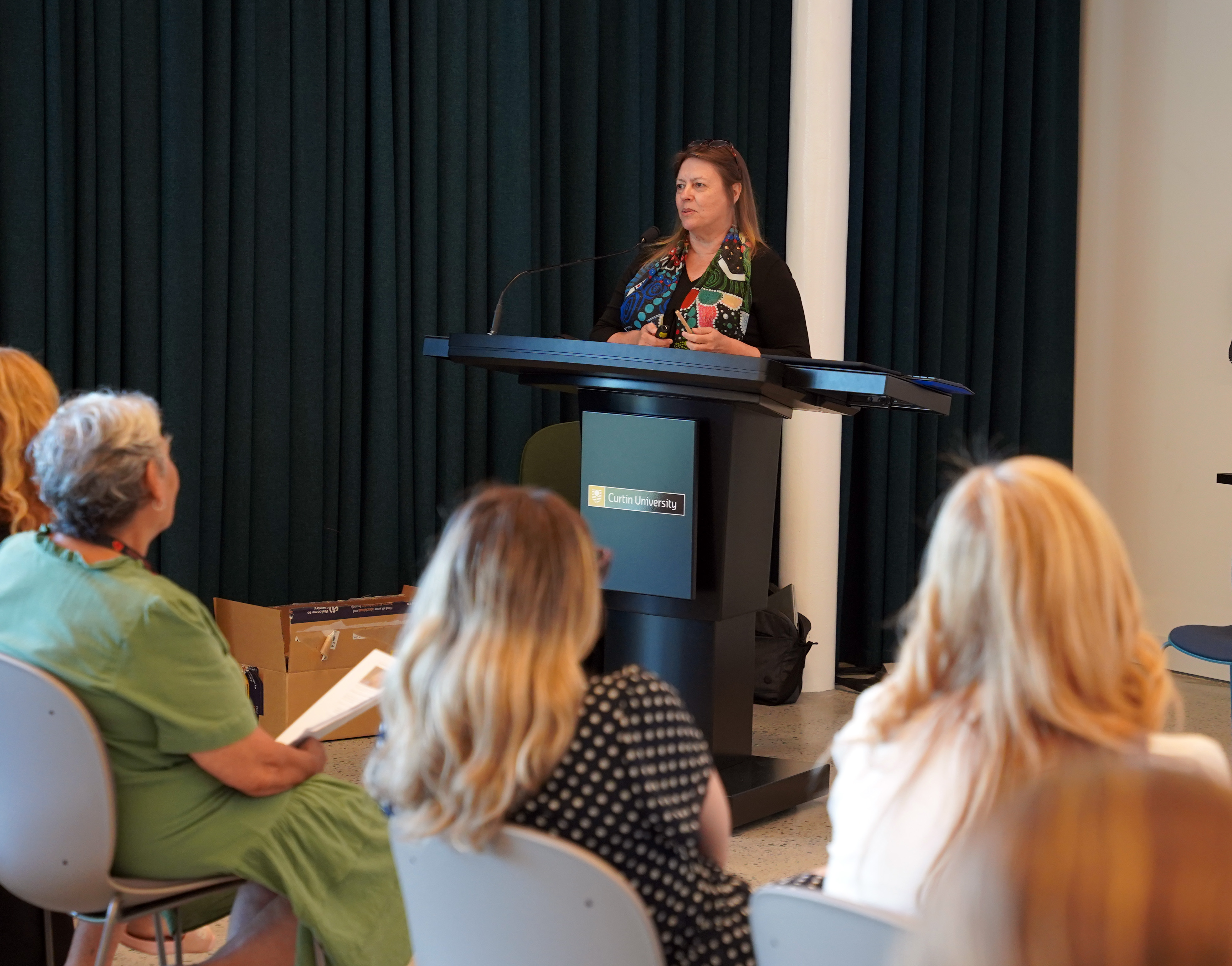
Embrace Co-Director Professor Helen Milroy calls for cultural safety in healthcare settings at Aboriginal mental health panel
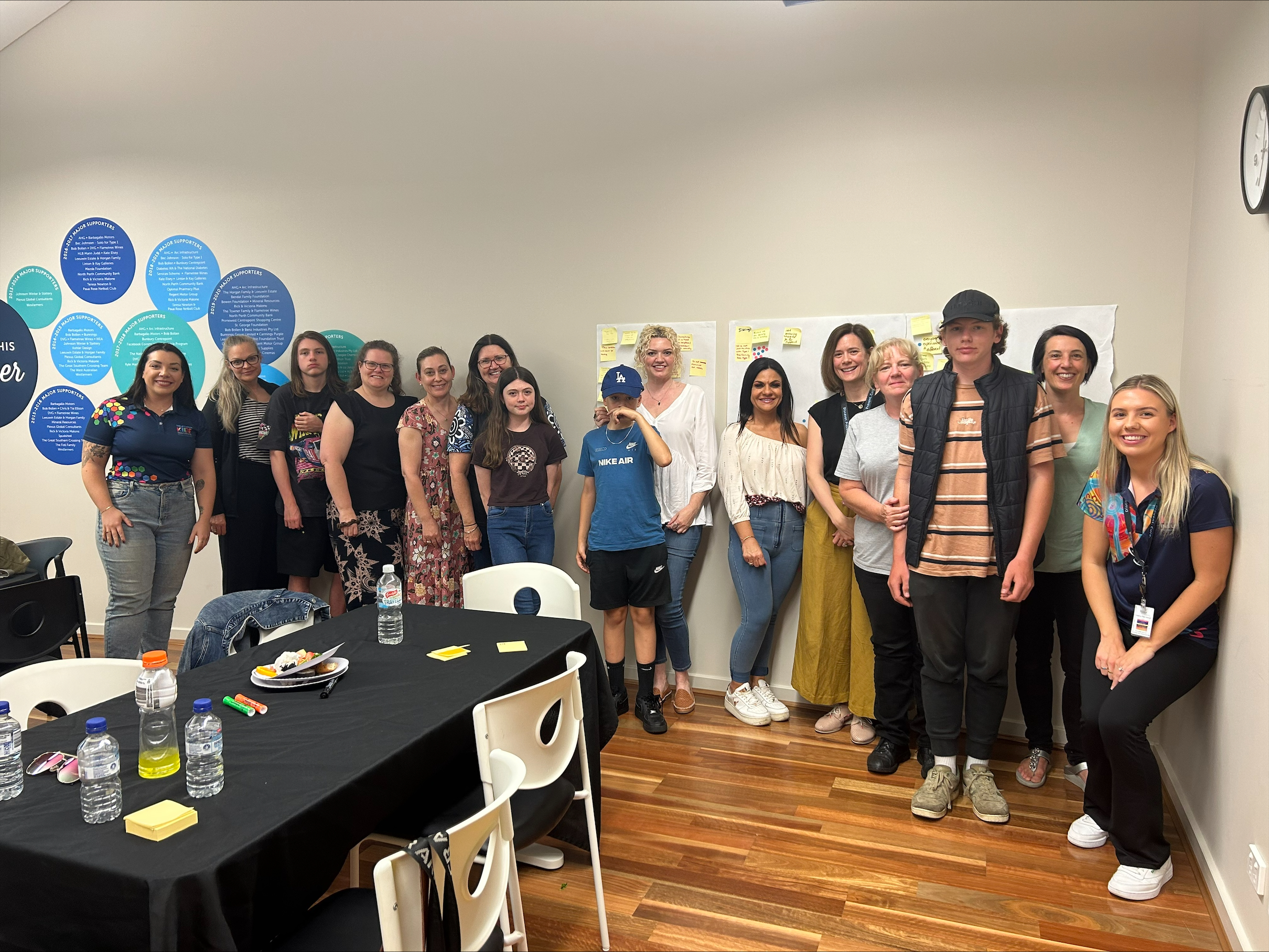
Embrace researchers and community members held conversations on the mental health and wellbeing of young people with type 1 diabetes.
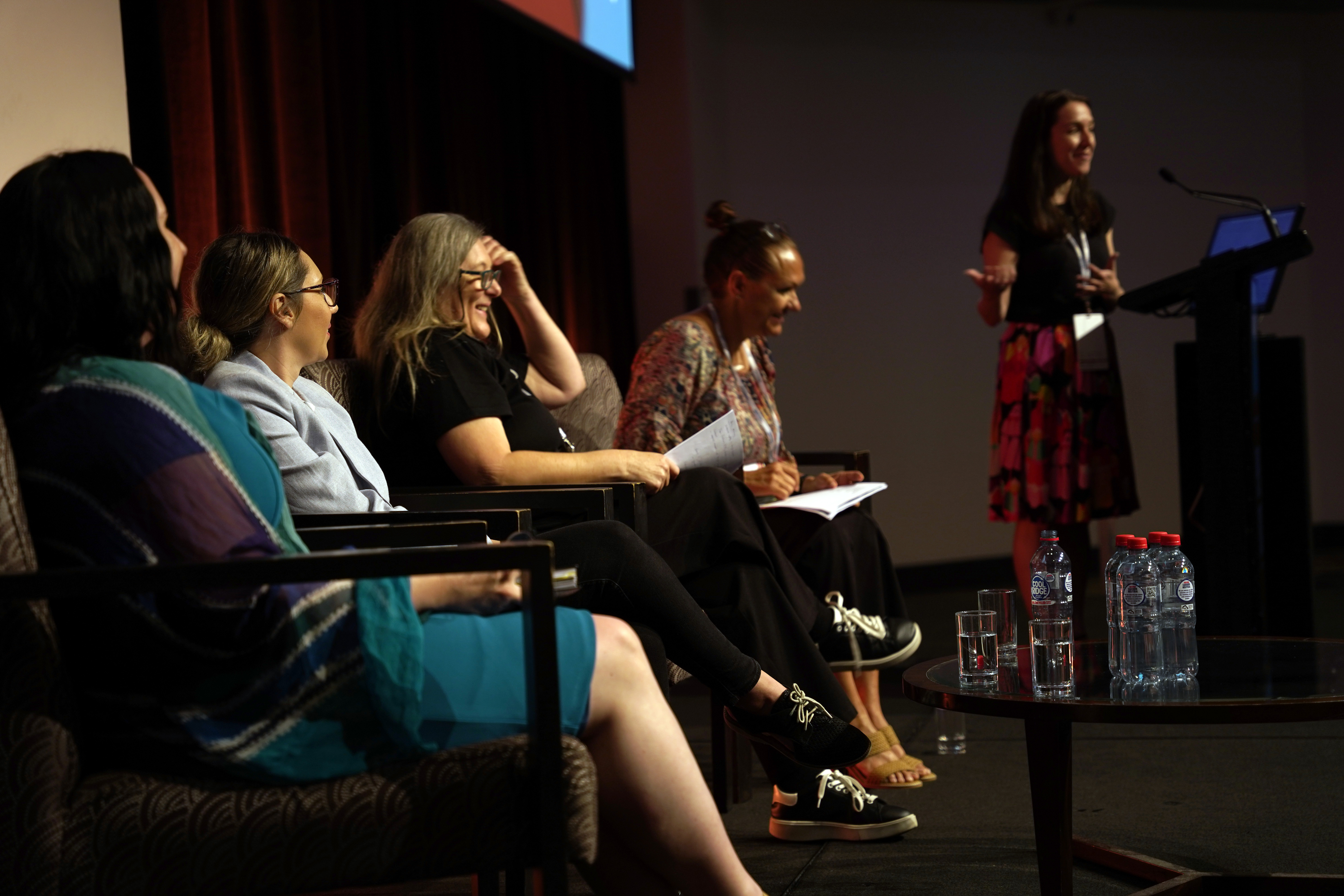
Associate Professor Bep Uink and Head of Kulunga Aboriginal Unit Cheryl Bridge watched on by Associate Professor Yael Perry at the SMHR conference.

The six winners of the Embrace 2022 Research Awards have been announced.
New research digs deeper into how children's immune systems handle viral challenges

A study published in Science Advances has revealed that while genetics play a significant role in shaping children's immune systems, environmental factors also influence key immune responses, offering opportunity for preventing allergic diseases.
Meet the Friends of the Institute, a very impactful group of volunteers whose Friend-raising efforts have supported The Kids for more than 25 years.
Recent interest in the diverse ecosystem of bacteria, fungi and viruses that make up the skin microbiome has led to numerous studies investigating the skin microbiome in healthy skin and in dermatological conditions. However, skin microbiome analysis is challenging due to relatively low numbers of skin microorganisms compared to mucosal sites, such as the respiratory or gastrointestinal tracts. Microbiome results are heavily influenced by sampling methods.
The Repetitive Behaviours Questionnaire for Adults (RBQ-2A) measures two factors of restricted and repetitive behaviours (RRBs) associated with autism. However, the Diagnostic and Statistical Manual of Mental Disorders (DSM-5) provides four criteria for RRBs: repetitive motor behaviours, insistence on sameness, restricted interests, and interest in sensory aspects of the environment (or atypical sensitivity).