
Search
Showing results for "early life"
This genome-wide association study (GWAS) utilises data from the Western Australian Pregnancy Cohort (Raine) Study for 25-hydroxyvitamin D (25(OH)D) levels...
The similarities in risk factors and in the adjusted rates of victimisation-related injury admission in both countries suggest that the VR cluster of ICD-10...
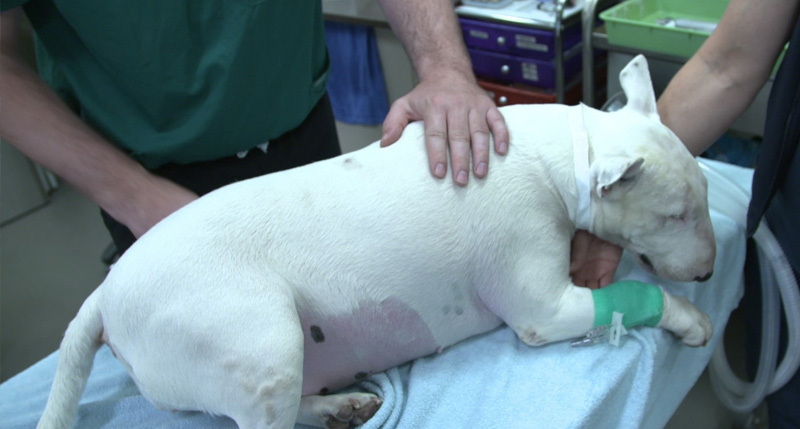
The Kids Research Institute Australia is leading a unique clinical trial in pet dogs that could pave the way for a new immunotherapy treatment for one of the most common childhood cancers, Sarcoma.
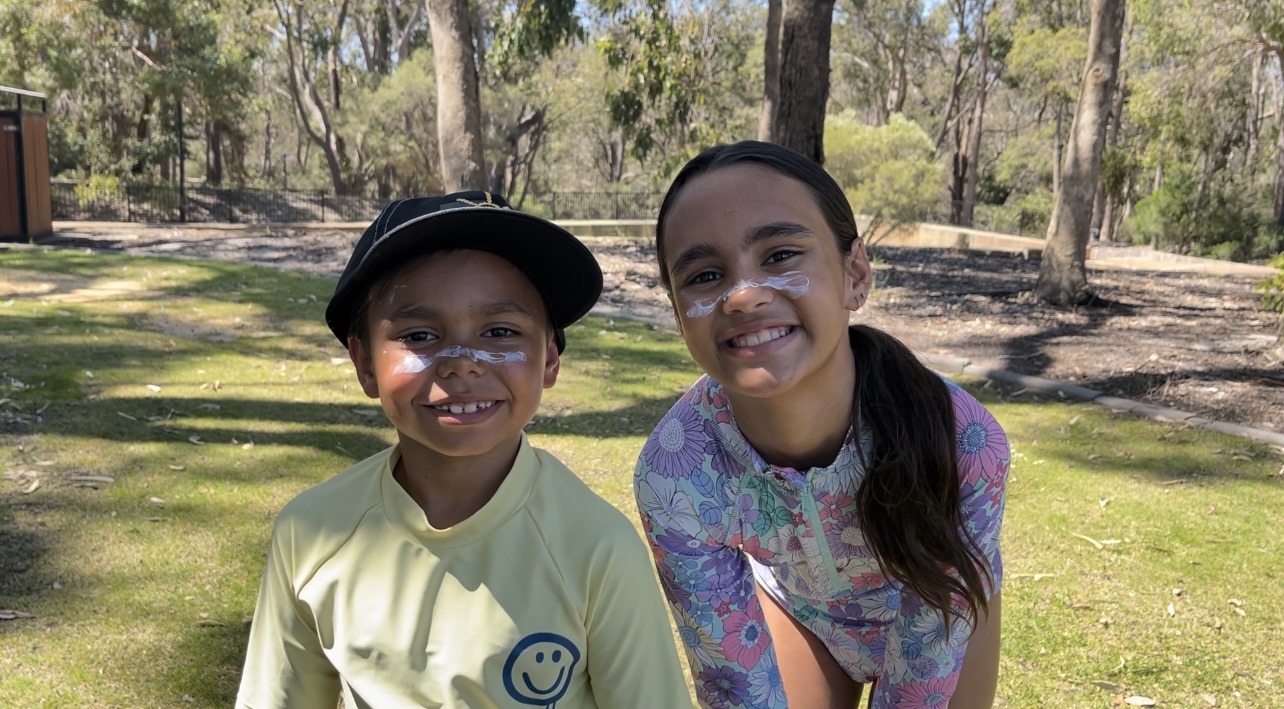
Vital research promoting sun smart choices and skin cancer prevention for young Aboriginal people is now underway at The Kids Research Institute Australia thanks to a $100,000 Perpetual 2024 IMPACT Philanthropy grant.

The benefits of owning a dog start even earlier than previously thought show new research from The Kids Research Institute Australia.
The Kids researchers are collaborating on two major projects that today received $1.2million in funding from MTPConnect.
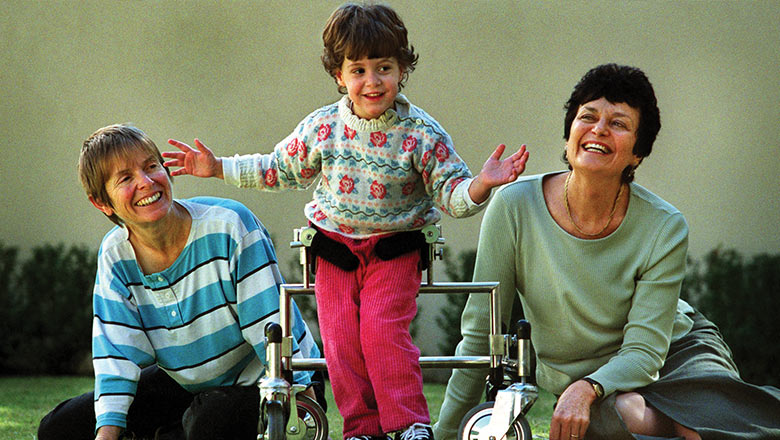
Cerebral palsy is not only the result of birth trauma and the lack of oxygen supply during delivery.
Surgical intervention is an important treatment modality for advanced rheumatic heart disease (RHD). This study aimed to describe patient characteristics and outcomes from cardiac surgery for RHD in patients referred to the only tertiary paediatric hospital in Western Australia.
Skin conditions most frequently encountered in paediatric practice include infections, infestations, atopic dermatitis, and acne. Skin of colour refers to skin with increased melanin and darker pigmentation, and reflects global racial and ethnic diversity.
The use of adjunctive antibiotics directed against exotoxin production in Staphylococcus aureus bacteremia (SAB) is widespread, and is recommended in many guidelines, but there is limited evidence underpinning this.
Integrating First Nations knowledge systems and Western research methodologies recognizes the strength, experience, and insight of First Nations peoples in addressing health issues in their communities. In research, this includes projects being led by First Nations Elders and peoples, including First Nations researchers in the team, and collecting data in ways that reflect First Nations ways of knowing, being, and doing.