
Search

T1D can be a traumatic diagnosis for children and young people, and often involves strict adherence to painful treatments, comorbid mental health conditions, and shortened life expectancy.
The DiabHQ Patient Portal app is now available to WA children and families living with Type 1 diabetes.
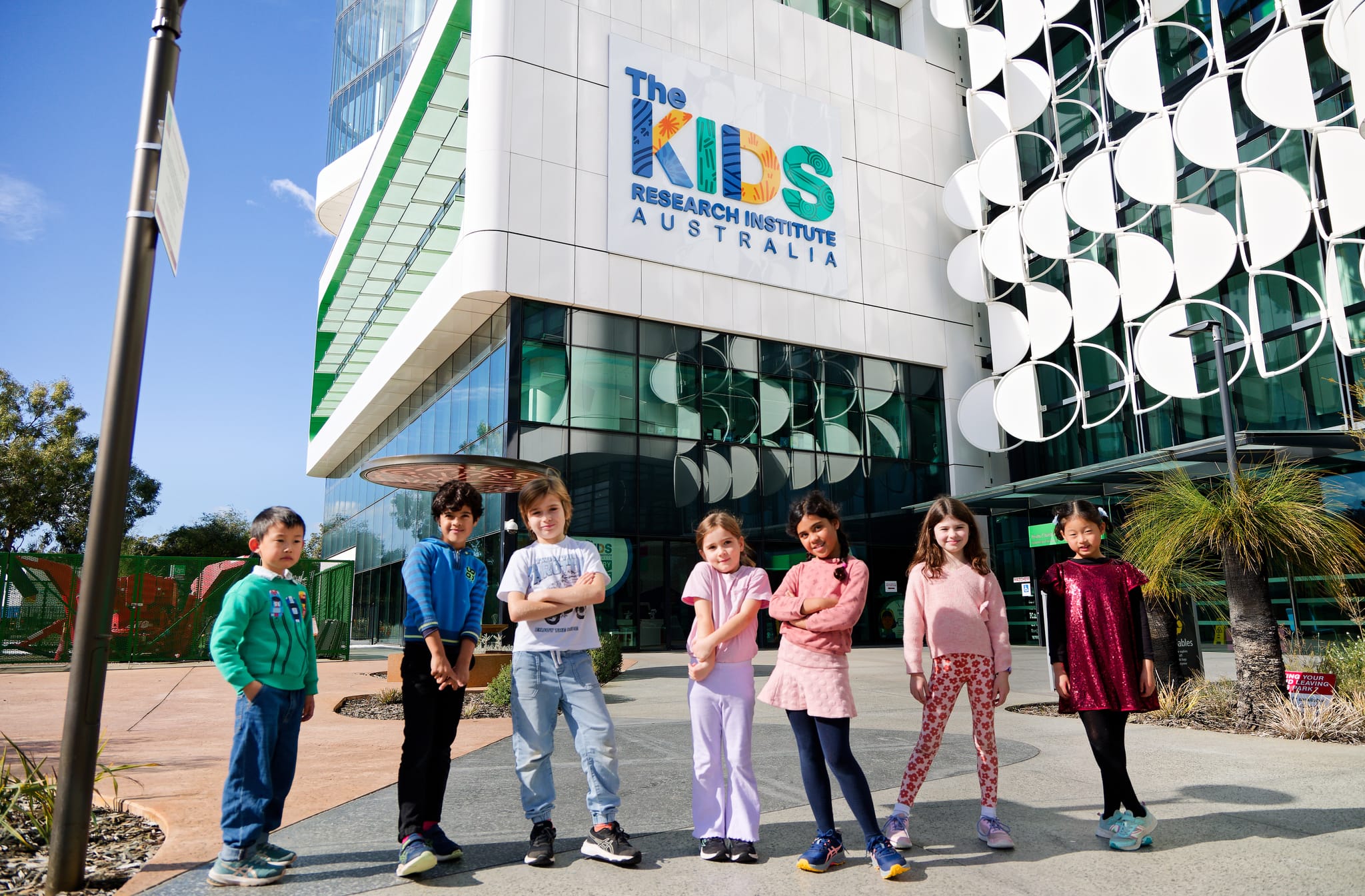
Researchers from The Kids Research Institute Australia will share in almost $4 million in grants to continue groundbreaking research to tackle childhood cancer, asthma, respiratory viral infections and more.
The Rio Tinto Children's Diabetes Centre is a research centre that aims to improve the lives of children and young adults living with diabetes by bringing together research, education and clinical care.
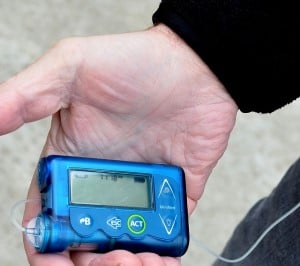
The study involved screening young people to learn more about the development of long-term kidney, eye and cardiovascular complications in adolescents with T1D.
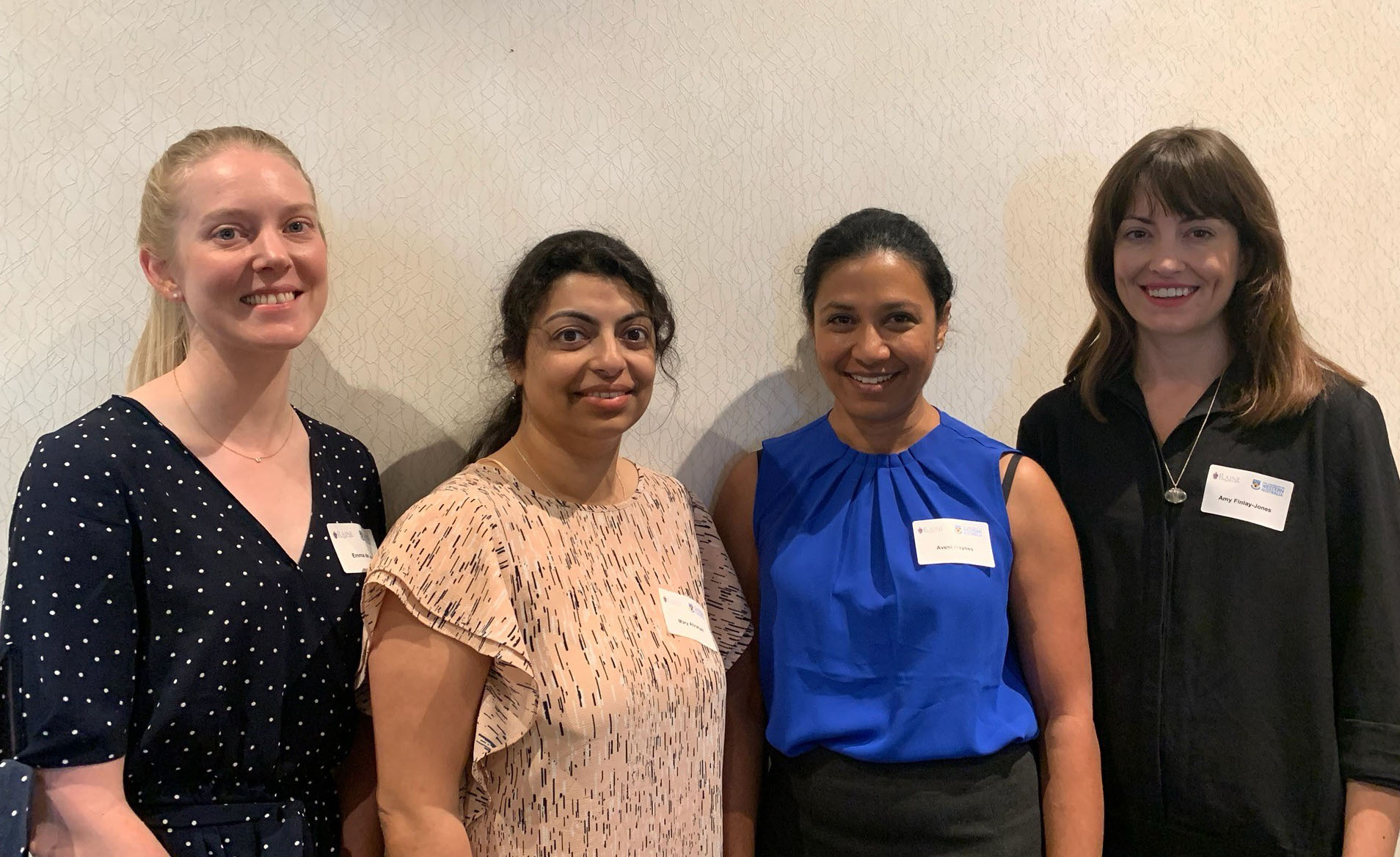
Children’s Diabetes Centre researchers at The Kids Research Institute Australia are among the big winners of prestigious Raine Medical Research Foundation Awards.

Teens with diabetes may sometimes feel alone and even embarrassed about their diabetes. We asked Professor Donna Cross, for her tips for being a good friend.
An Early-Stage Type 1 Diabetes (T1D) Clinic aims to revolutionise diabetes care and support families navigating the beginning of an early-stage T1D diagnosis.

Technology is an important part of diabetes management but its important to stay cybersecurity aware.