
Search
Showing results for "early life"

More than 1000 children are being sought for a study to learn more about sore throats and how best to prevent them.
Christopher Peter Blyth Richmond MBBS (Hons) DCH FRACP FRCPA PhD MBBS MRCP(UK) FRACP Centre Head, Wesfarmers Centre of Vaccines and Infectious

Professor Caroline Homer AO - a globally recognised leader in maternal and child health, with an international career that spans clinical care, academic research, policy influence and senior leadership - has been named The Kids Research Institute Australia’s third Executive Director.

New mothers in Perth are teaming up with researchers at The Kids Research Institute Australia in a global bid to develop the first vaccine to prevent Respiratory Syncytial Virus (RSV) disease.
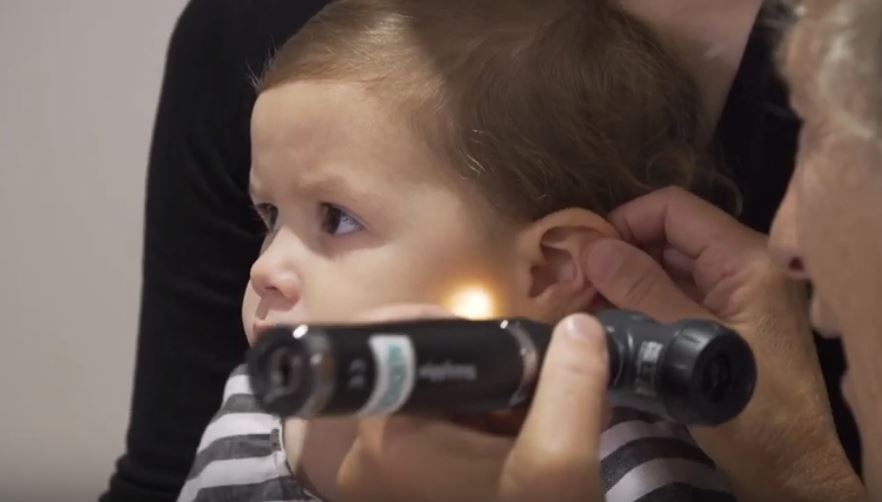
Researchers from The Kids Research Institute Australia have identified the main bacteria responsible for recurrent ear infections and repeat ear surgeries in children.

Young Aboriginal and Torres Strait Islander people receiving long-term, painful injections to prevent deadly complications from rheumatic heart disease (RHD) will design their own optimum treatment program thanks to latest research at The Kids Research Institute Australia.
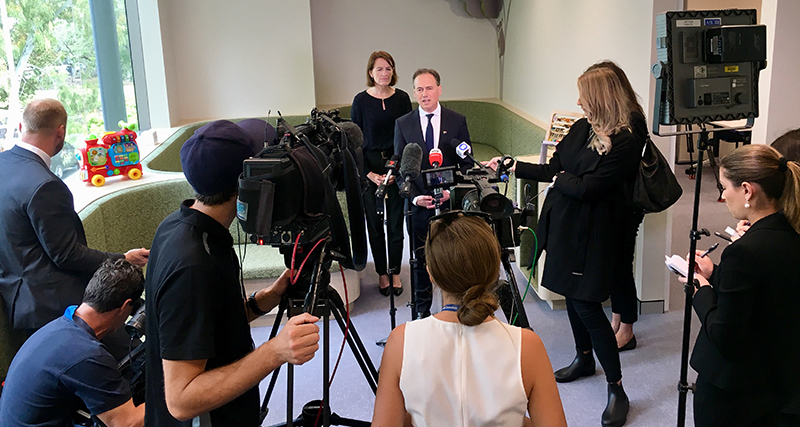
Western Australian babies and children with autism and developmental delay will be able to access world-first therapies and interventions backed by the latest research, thanks a unique clinical service developed by The Kids Research Institute Australia.
Described antimicrobial resistance mechanisms enable bacteria to avoid the direct effects of antibiotics and can be monitored by in vitro susceptibility testing and genetic methods. Here we describe a mechanism of sulfamethoxazole resistance that requires a host metabolite for activity.
Although essential for overall health and wellbeing, little is known about skin health in urban-living Australian Aboriginal children. This co-designed, research-service project aimed to describe skin health and document skin disease frequency in urban-living Aboriginal children and young people in Western Australia and investigate housing associations for skin infections.
Group A Streptococcal (GAS) pharyngitis is an important precursor infection to severe complications including rheumatic fever and invasive GAS. Rapid molecular point of care testing (POCT) for GAS infection has advantages over traditional microbiological culture, especially in settings with limited or absent laboratory infrastructure and where GAS complications predominate.