
Search
To assess the impact of implementing a sepsis pathway and education program on key sepsis outcomes and performance targets in a tertiary paediatric hospital.
Understanding the geospatial distribution of influenza infection and the risk factors associated with infection clustering can inform targeted preventive interventions. We conducted a geospatial analysis to investigate the spatial patterns and identify drivers of medically attended influenza infection across all age groups in Western Australia.
Describe the epidemiology of Staphylococcus aureus bacteremia in children and adolescents younger than 18 years from Australia and New Zealand
Systematic review of antibiotic duration and timing of intravenous to oral switch for paediatric infectious diseases and evidence-graded recommendations
Sepsis is a significant cause of mortality for children in Australia, particularly affecting young children, those with pre-existing health conditions and Aboriginal and Torres Strait Islander populations. The transition from hospital to home can be challenging for survivors, often leaving long-term impacts unaddressed.
Our interdisciplinary team initiated a project to inform the COVID-19 vaccination programme. We developed a novel research co-creation approach to share emerging findings with government.

Western Australian kids will have access to a needle-free nasal flu vaccine for the first time in 2026 as part of a new initiative to boost vaccination rates against the life-threatening virus.
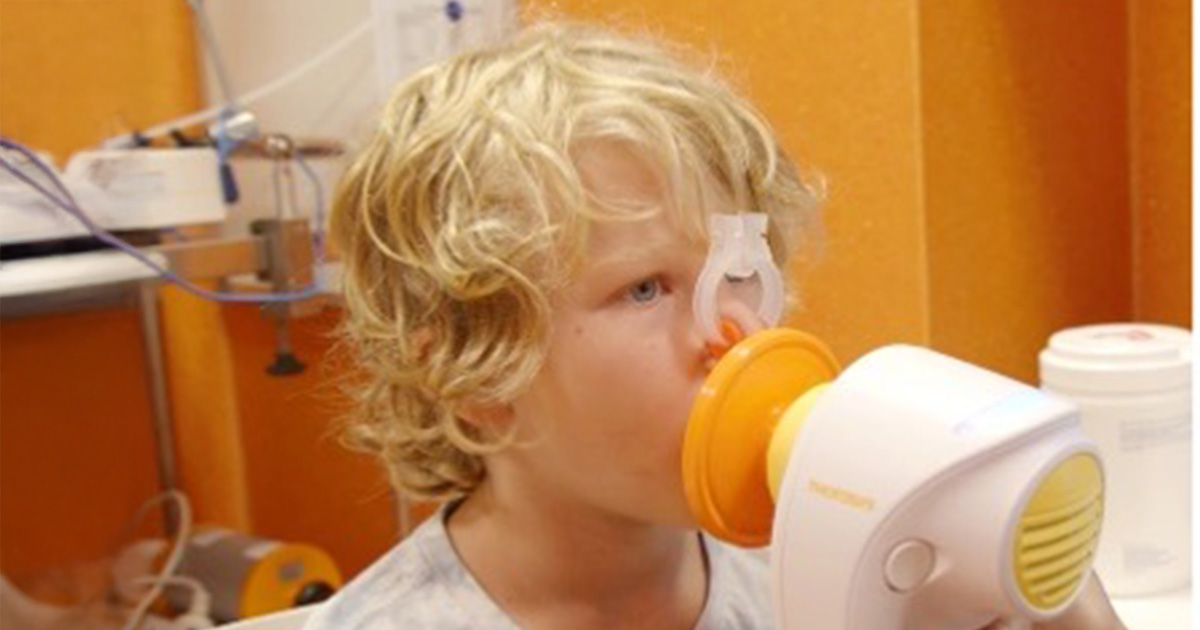
New hope is on the horizon for people living with cystic fibrosis.

Whooping Cough Day in 2025 has a special significance to Catherine Hughes AM and her family - it marks a decade of dedication to vaccine advocacy after the loss of their four-week-old baby son Riley in 2015.
This project consists of two linked research programs, working to support malaria control and elimination using OpenMalaria: our in-house, open-source, malaria simulation tool.