
Search
Showing results for "early life"
Elke Lea-Ann Ruth Peter Seppanen Kirkham Thornton Richmond BSc PhD PhD PhD MBBS MRCP(UK) FRACP Program Manager, Bacterial Respiratory Infectious
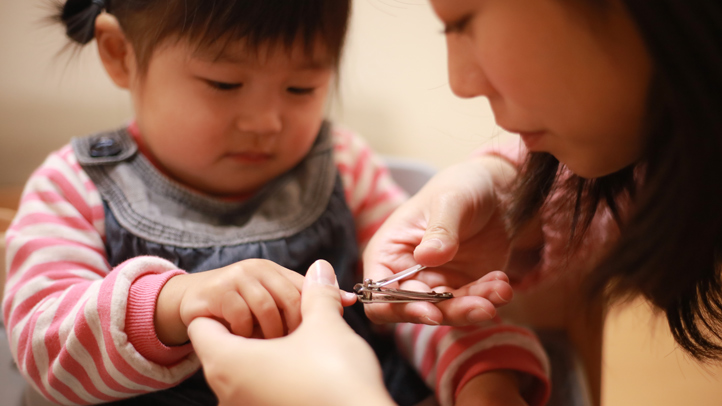
In this blog, Curtin University Occupational Therapy student Julia Than discusses how to make nail care an important part of a child's self-care routine.
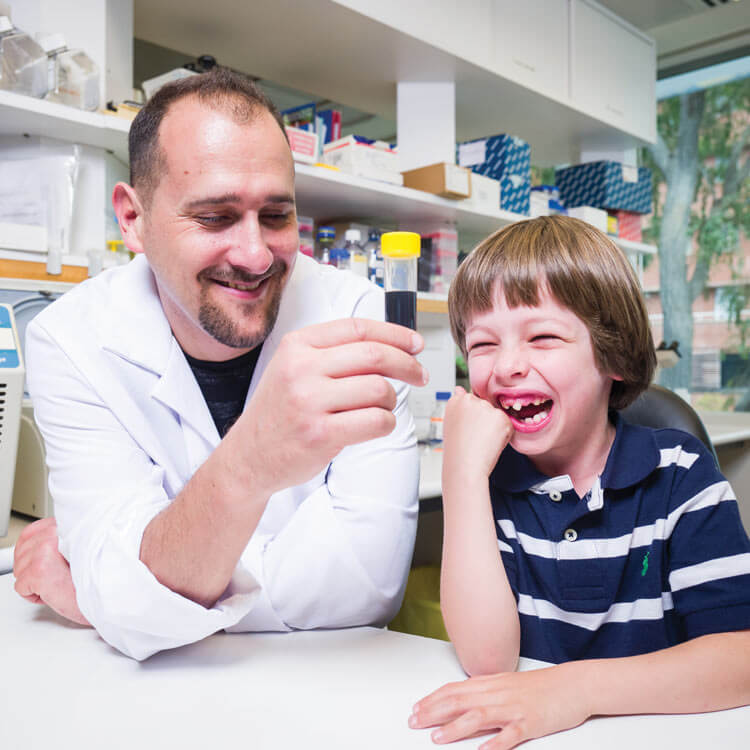
Thanks to an enabling donation from the Stan Perron Charitable Foundation, The Kids Research Institute Australia is home to one of the first paediatric personalised medicine research centres in the world.
The quest to stop infectious diseases from killing our kids
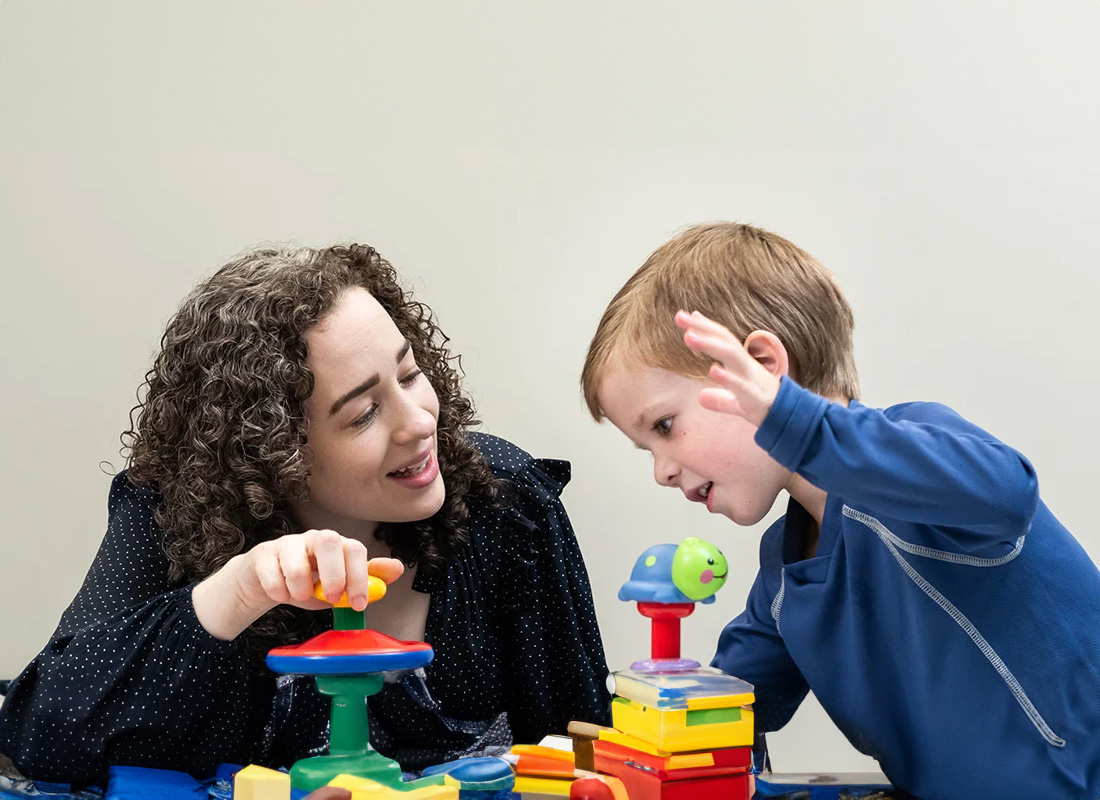
Fill out this form to receive more information about PACT online training.
Hip Hop 2 SToP video It didn’t take long for shyness to make way for excitement when a group of children from Dampier Peninsula communities got
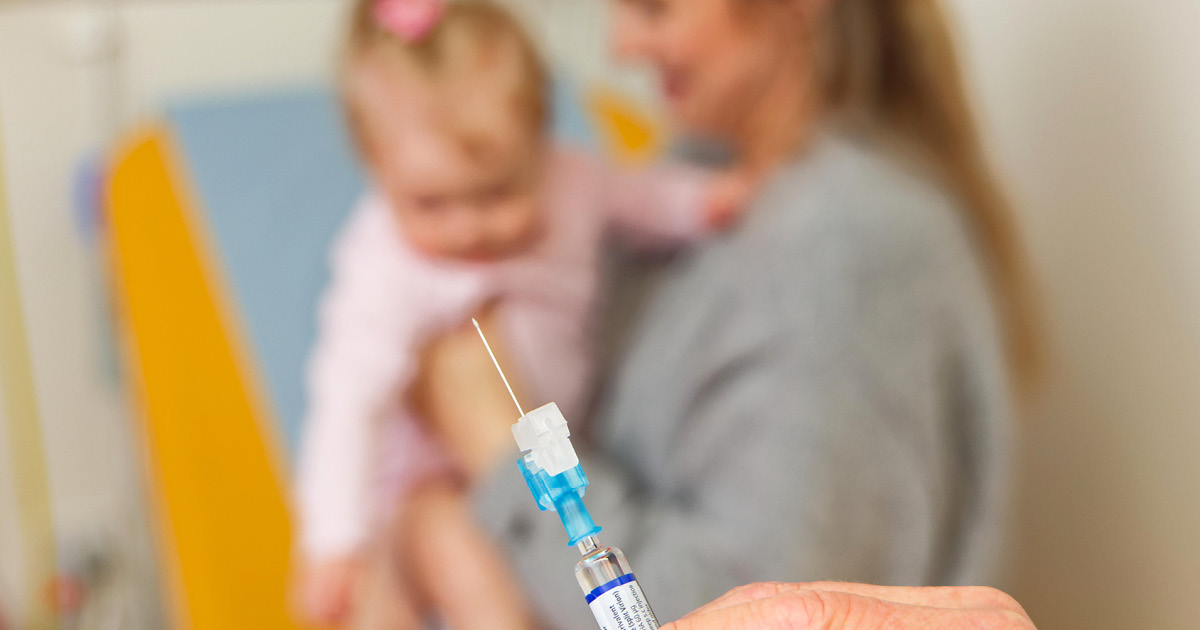
As a leading research site in Australia, the Wesfarmers Centre of Vaccines and Infectious Diseases played an instrumental role in the global effort to develop a world-first RSV immunisation for young babies.
We aimed to assess and identify any gaps in antimicrobial stewardship resources and activities for all hospitalised children in Australia pre- and post- the COVID-19 pandemic
Dissociative symptoms are associated with a range of negative outcomes, yet little is understood about how adolescents experience dissociation in their daily lives. This study aimed to describe adolescents’ dissociative symptoms from the perspective of adolescents, their parents, and their treating clinicians.
Perceived stigma and self-stigma negatively affect identity-related, psychological and functional outcomes among stigmatised populations. There is limited research exploring the impact of stigma among young people at ultra-high risk (UHR) for psychosis. We investigated the association of perceived stigma and self-stigma with these outcomes in young people at UHR.