
Search
Showing results for "early life"
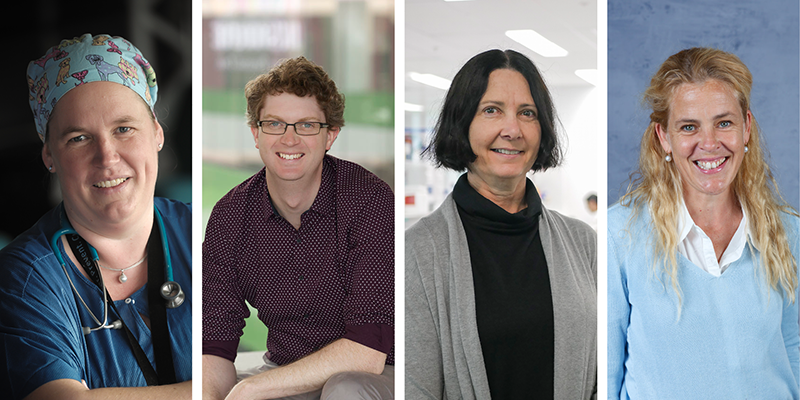
Research projects sharing in a $2.1 million funding boost will seek to translate research findings into changes that benefit patients and help the health system run more efficiently.
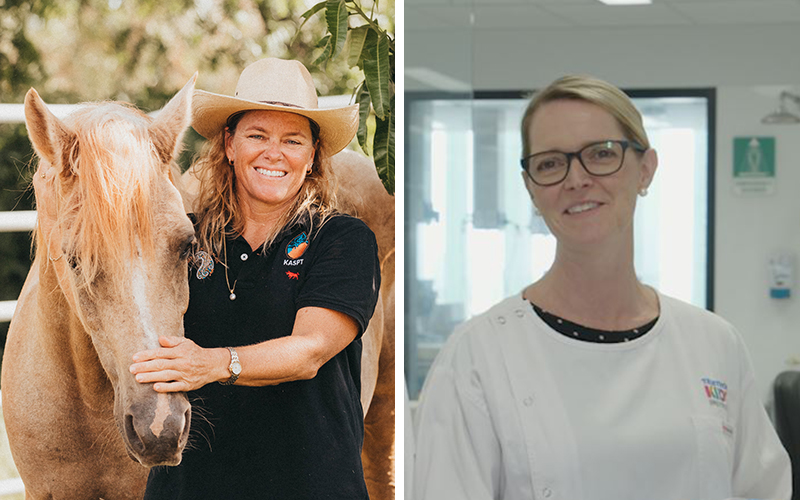
Two The Kids Research Institute Australia research teams have been awarded more than $3.5 million to fund innovative projects.
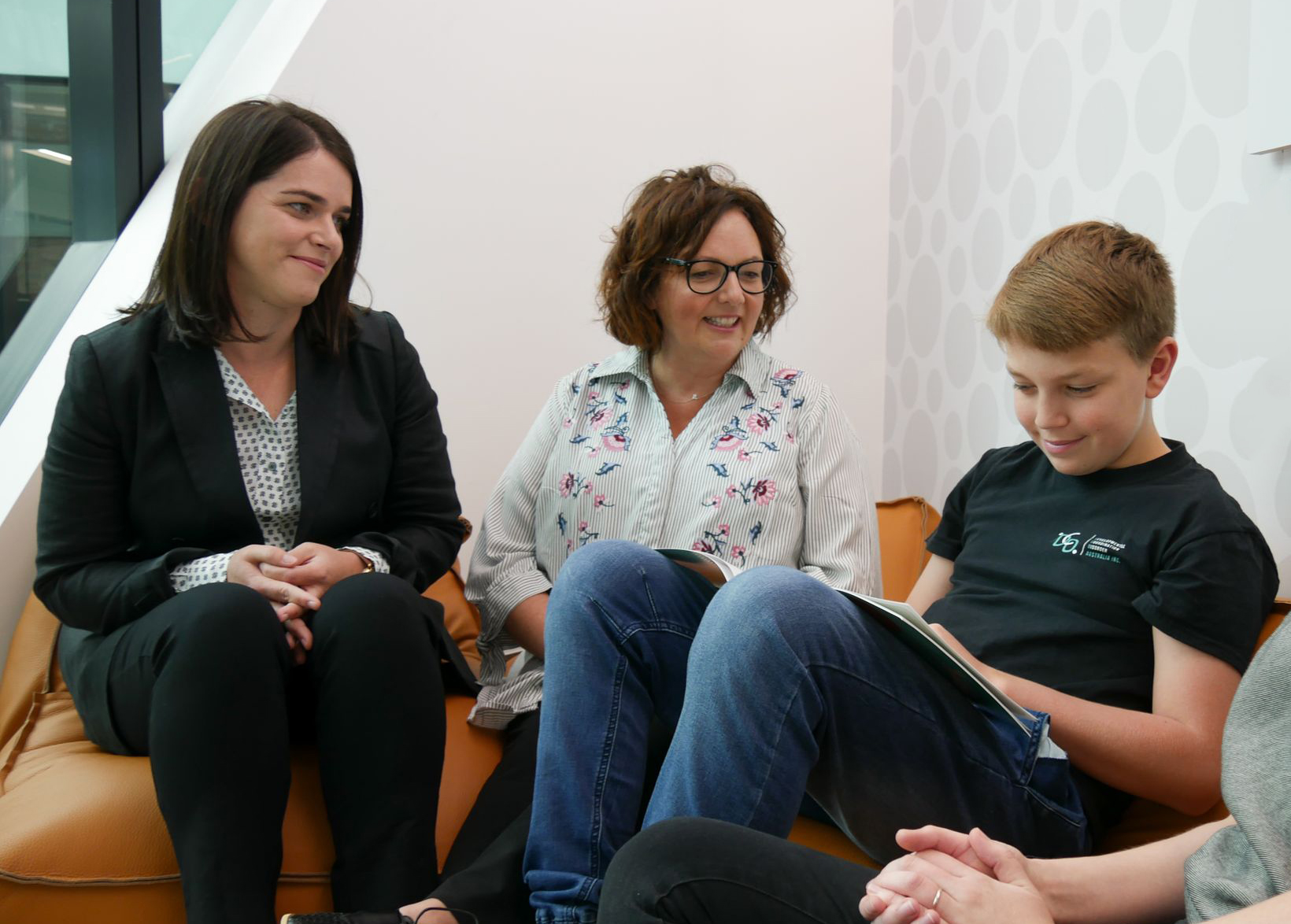
A new report released by The Kids Research Institute Australia in collaboration with Victoria University has revealed the significant social and emotional toll of Developmental Coordination Disorder (DCD).

Nutrition is important during the COVID-19 pandemic because it can provide both physical and mental health benefits.
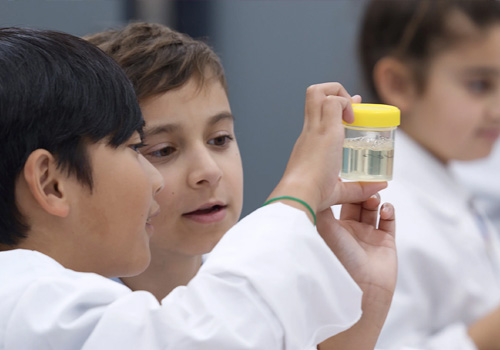
Everything you need to know to book a The Kids 'Meet a Researcher' incursion.
Sign up to the CliniKids Newsletter to receive the latest updates, stories, and invites to community events from CliniKids.
Otitis media with effusion (OME) affects hearing, speech development, and quality of life (QoL) in children. The 'Blow, Breathe, Cough' (BBC) intervention promotes nasal, respiratory, and middle ear clearance through nose blowing, deep breathing, coughing, and hand hygiene. It shows promise in resolving OME but lacks randomized-controlled trial (RCT) evaluation. This paper presents a RCT protocol evaluating BBC's effect on OME resolution, hearing, speech, and QoL in children aged two to seven years.
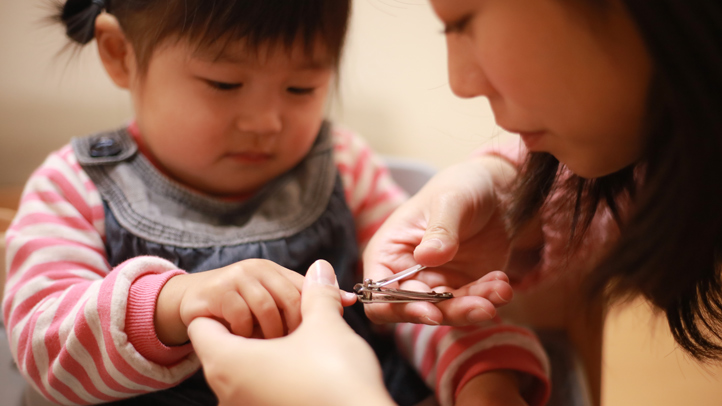
In this blog, Curtin University Occupational Therapy student Julia Than discusses how to make nail care an important part of a child's self-care routine.
Rates of mental illness are disproportionately high for young adult and higher education (e.g., university student) populations. As such, universities and tertiary institutions often devote significant efforts to services and programs that support and treat mental illness and/or mental distress. However, within that portfolio of treatment approaches, structured exercise has been relatively underutilised and greater research attention is needed to develop this evidence base.
Describe the ear and hearing outcomes in Aboriginal infants in an Australian urban area. Aboriginal infants enrolled in the Djaalinj Waakinj prospective cohort study had ear health screenings at ages 2-4, 6-8 and 12-18 months and audiological assessment at ∼12 months of age. Sociodemographic, environmental characteristics, otoscopy, otoacoustic emissions, tympanometry and visual reinforcement audiometry data were collected.