
Search
Showing results for "early life"
The epidemic increase in the prevalence of allergic disease, which first started in the industrialized countries in the 1960s, may have reached a peak in the...
An apparent paradox in the field of neuropsychology is that people with atypical cerebral lateralization do not appear to suffer any cognitive disadvantage,...
Two competing theories address the influence of foetal testosterone on cerebral laterality: one proposing exposure to high foetal testosterone concentrations...
Population-based birth cohorts on asthma and allergies increasingly provide new insights into the development and natural history of the diseases.
Evaluation of fluorescently labeled leukocyte migration in mice revealed that DCs travel via the RMS from the CNS to the cervical LNs (CxLNs), where they...
This study provided evidence for high rate of alternative medicine use in an Australian paediatric ASD population, similar to other countries.
The transmission dynamics of RSV infection among young children are still poorly understood and mathematical modelling can be used to better understand...
Infant lung function (ILF) testing may provide useful information about lung growth and susceptibility to respiratory disease.
Mannitol challenge tests are used clinically to diagnose asthma and, in particular, exercise-induced broncoconstriction (EIB) in adults and children above 6...
This study investigated the involvement of inner speech limitations in the executive dysfunction associated with autism spectrum disorders (ASDs).
Researchers from The Kids Research Institute Australia have contributed to a landmark study revealing climate change will have a detrimental impact on one of the greatest threats to the health of children in the Global south – diarrhoea.
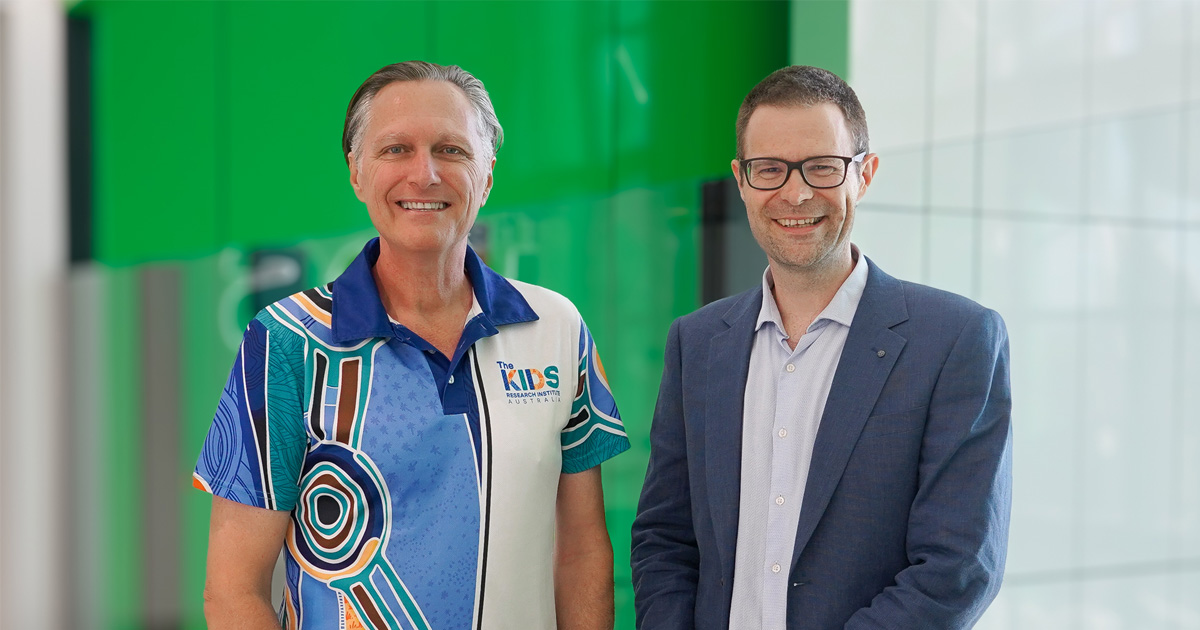
Professor Andrew Whitehouse, the Angela Wright Bennett Professor of Autism Research and CliniKids Director, has been appointed Deputy Director (Research) at The Kids Research Institute Australia.
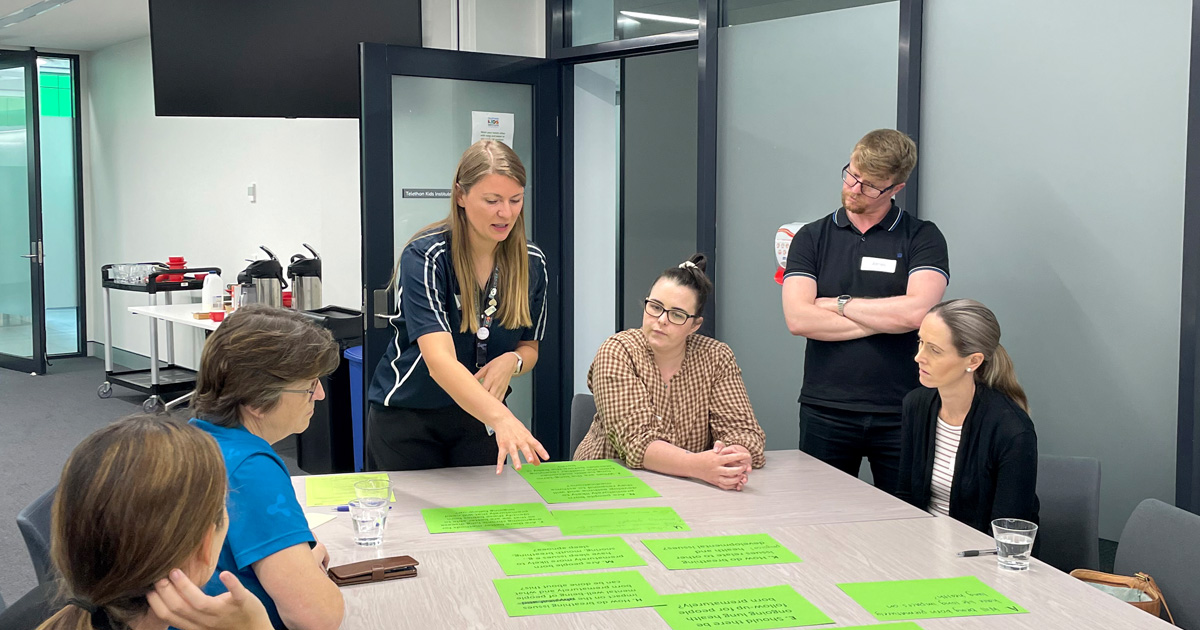
Respiratory disease remains one of the most significant complications of preterm birth, with lasting consequences.
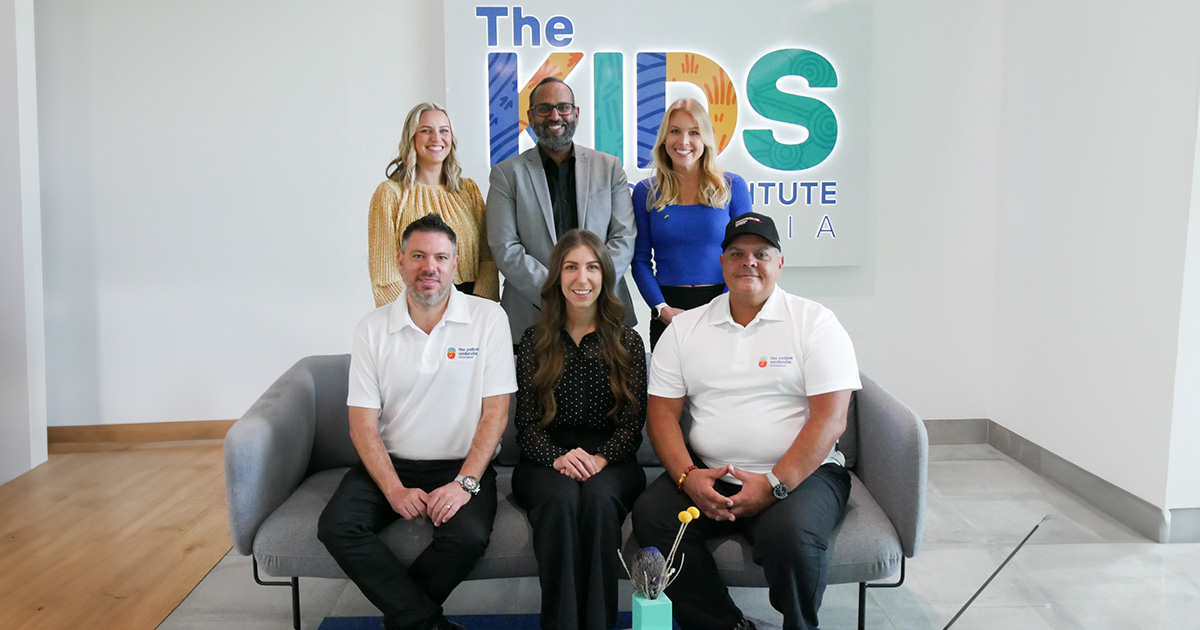
The Kids Research Institute Australia is deeply grateful to The Yellow Umbrella Foundation for their generous gift of $38,453 to help fund a new mental health initiative for parents and caregivers of children living with intellectual disability.

Congratulations to infectious diseases clinician-researcher Professor Asha Bowen, awarded a Medal of the Order of Australia (OAM) in the King’s Birthday Honours List for her service to medicine in the field of clinical diseases.
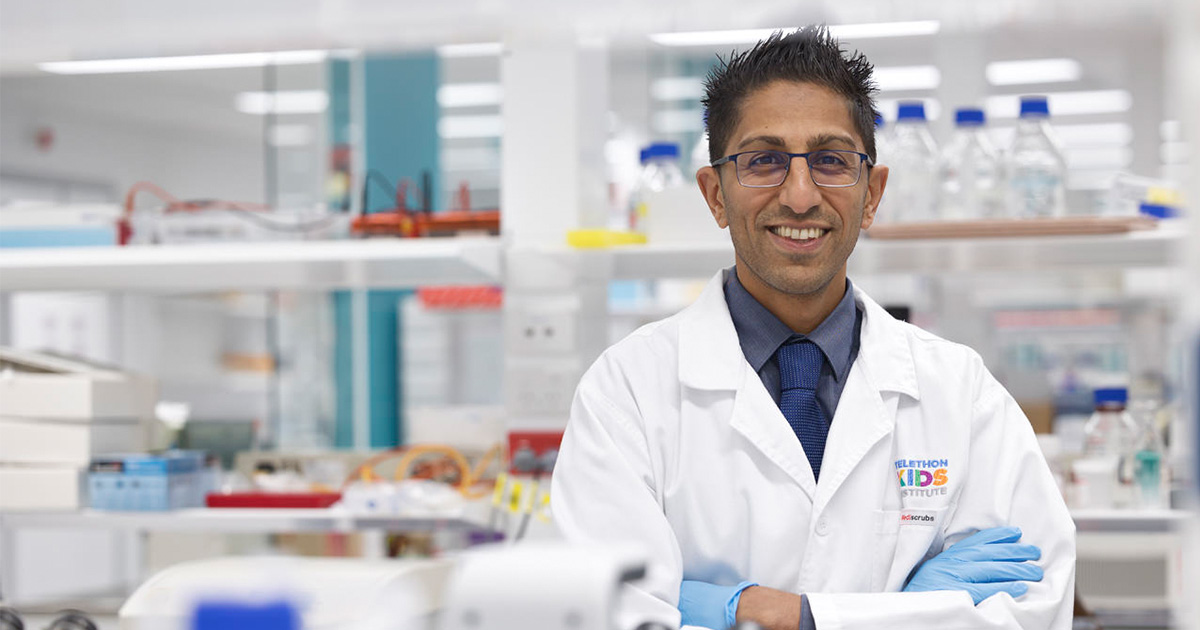
A world-first study involving more than 100 cancer researchers and clinicians across Australia – including from The Kids Research Institute Australia and Perth Children’s Hospital – has shown that precision medicine can significantly improve outcomes for children with high-risk cancer.
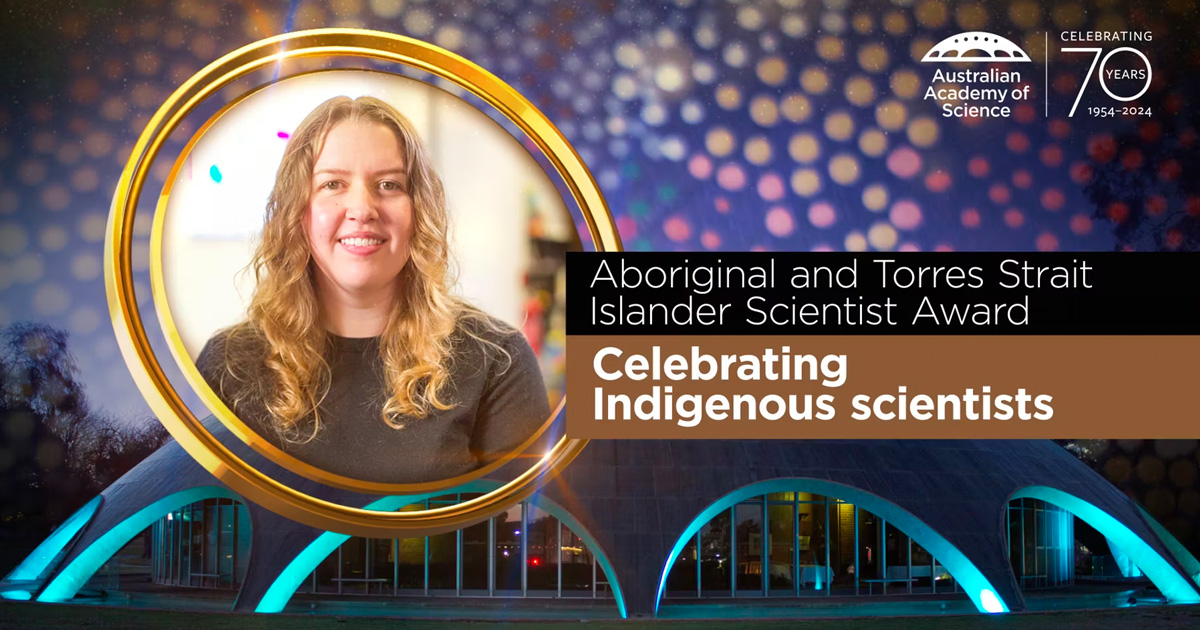
Congratulations to Indigenous genomics researcher Dr Justine Clark, who is one of two scientists nationally to receive the Australian Academy of Science’s 2024 Aboriginal and Torres Strait Islander Science Award.

A The Kids Research Institute Australia spin-off company, Inspiring Holdings Pty Ltd (Inspiring), has been announced as winner of the Wesfarmers Wellbeing Platinum Award in the prestigious WA Innovator of the Year awards for their novel Universal Spacer System – a device which improves the delivery of inhaled dru
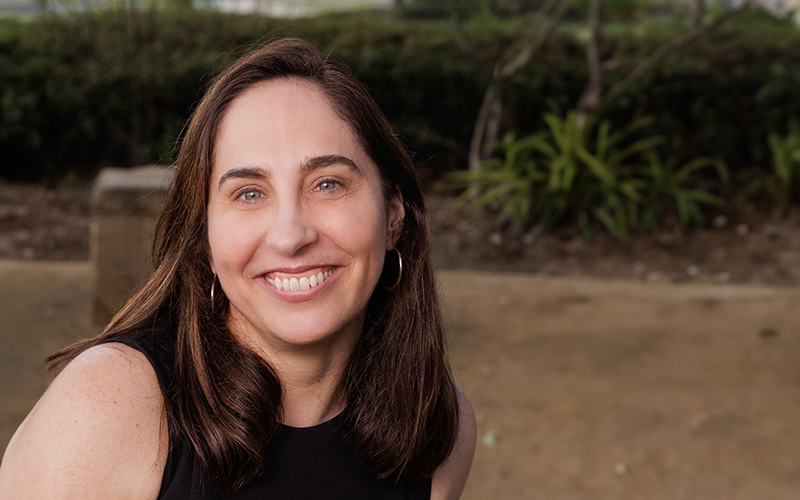
The Kids Research Institute Australia warmly welcomes youth mental health researcher Associate Professor Kathryn Modecki.
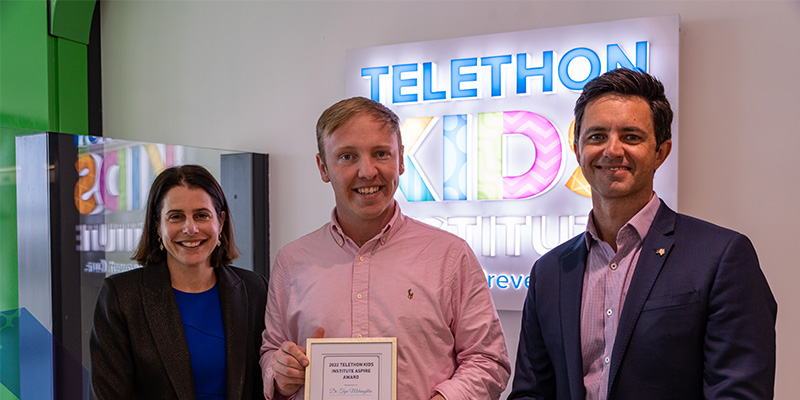
Dr Matthew ‘Tepi’ Mclaughlin is the 2022 The Kids Research Institute Australia Aspire Award winner - coordinated by Western Australia’s peak body for business events, Business Events Perth.