
Search
Showing results for "early life"
The purpose of this study is to evaluate the safety of new system called the Medtronic MinimedTM 670G that has been designed for long term outpatient use.
This register was established at Princess Margaret Hospital in 1987 which stores data on all consenting patients attending the hospital’s diabetes clinic.
Investigation of this rare mixed lineage leukemia cytogenetic abnormality aims to provide further evidence of the genetic changes that underpin this leukemia.
Respiratory syncytial virus is pervasive across multiple severity levels and diagnoses. Vaccines targeting children <3 months must be prioritized
The burden and consequences of skin infections for remote living indigenous people are high
The respiratory outcomes for adult survivors of preterm birth in the postsurfactant era are wide-ranging with prognostic factors, especially those encountered after the neonatal period, poorly understood.
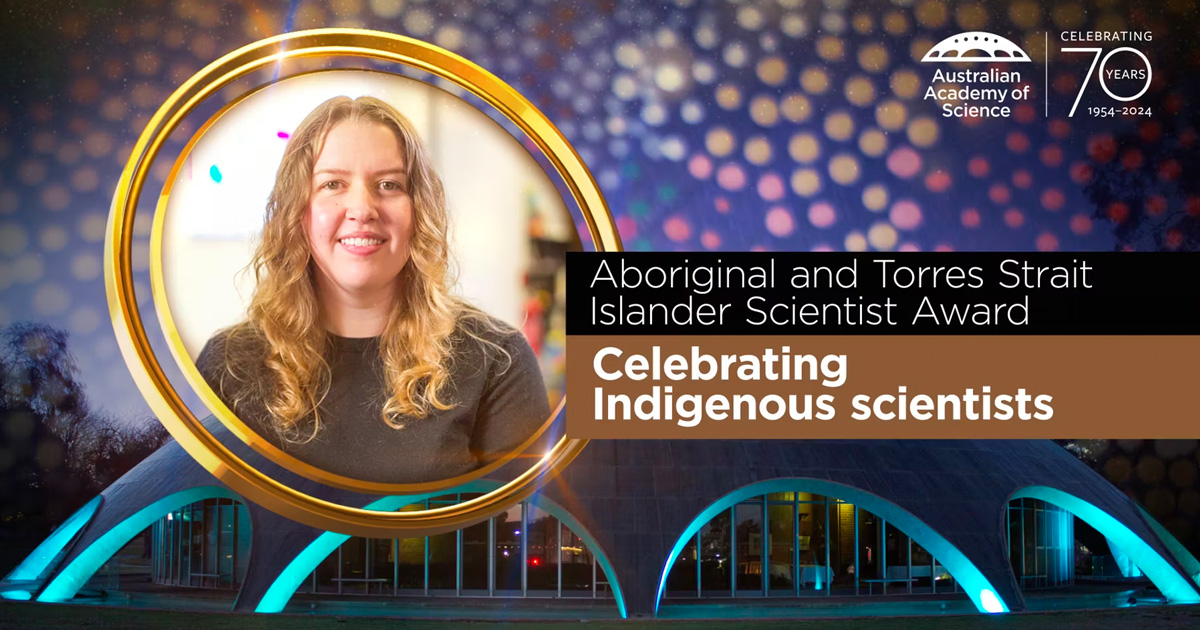
Congratulations to Indigenous genomics researcher Dr Justine Clark, who is one of two scientists nationally to receive the Australian Academy of Science’s 2024 Aboriginal and Torres Strait Islander Science Award.
Rates of antimicrobial resistance (AMR) for some pathogens in Australia are considerably higher in rural and remote compared to urban regions. The inaugural Hot North Antimicrobial Academy was a 9-month educational programme aimed to build workforce knowledge and capacity in antimicrobial use, audit, stewardship, surveillance and drug resistance in remote primary health care.
Determine the optimal antibiotic choice for lower respiratory tract infection in children with neurodisability.

A world-first study involving more than 100 cancer researchers and clinicians across Australia – including from The Kids Research Institute Australia and Perth Children’s Hospital – has shown that precision medicine can significantly improve outcomes for children with high-risk cancer.