
Search
Showing results for "early life"
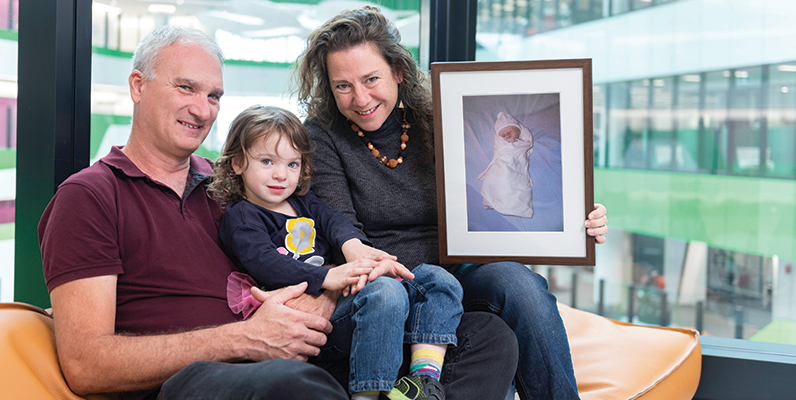
Telethon Kids Institute researchers believe a public education campaign, like the one SIDS, would help to reduce the number of babies who are stillborn.
To investigate the follow-up and outcomes of HIV-exposed infants in a setting of low HIV prevalence. This was a multicenter, retrospective study of live-born infants of women known to be living with HIV, at 9 tertiary pediatric centers in Australia and New Zealand from 2009-2025. Antenatal, perinatal, and postnatal data, and outcomes at clinic visits to 18 months of age were collected, including co-morbidities, development, and HIV results.
Transgender and gender diverse (“trans”) people are more likely to experience adverse mental health outcomes due to the social adversities that are commonly experienced. One ameliorating factor for poor mental health outcomes can be connection to community, often facilitated in online spaces such as TikTok.
Exhaled breath condensate (EBC) collection is a non-invasive, safe method for measurement of biomarkers in patients with lung disease. Other methods of obtaining samples from the lungs, such as bronchoalveolar lavage, are invasive and require anaesthesia/sedation in neonates and infants. EBC is particularly appealing for assessing biomarkers in preterm-born infants, a population at risk of ongoing lung disease.
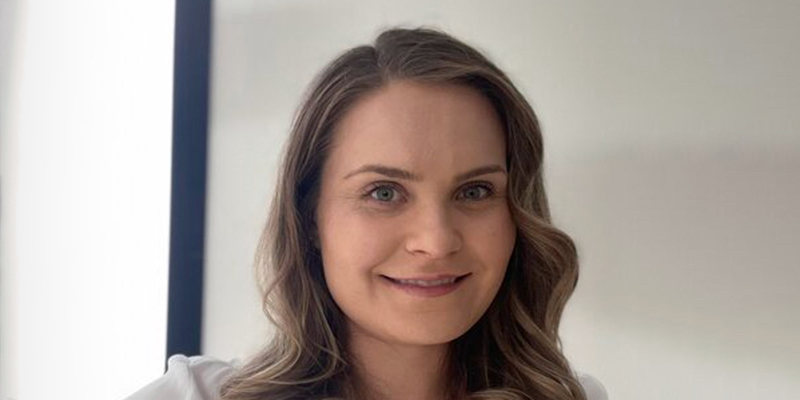
A youth mental health researcher aiming to map suicide hotspots and avert further suicides in WA has been awarded a prestigious fellowship from the Forrest Research Foundation.
During a pandemic when hospitals are stretched and patients need isolation, the role of hospital-in-the-home (HITH) providing acute medical care at home has never been more relevant. We aimed to define and address the challenges to acute home care services posed by the COVID-19 pandemic.
Respiratory infection and wheezing illness are leading causes of hospitalisation in childhood, placing a significant burden on families and healthcare systems. However, reliably distinguishing children at risk of developing persistent disease from those likely to outgrow their symptoms remains a clinical challenge. Earlier identification would allow clinicians to focus care and resources on those most likely to benefit from long-term management, while reducing anxiety and uncertainty about the future for families.

Researchers from The Kids Research Institute Australia have contributed to a landmark study revealing climate change will have a detrimental impact on one of the greatest threats to the health of children in the Global south – diarrhoea.
Evidence suggests that individuals with autism spectrum disorder have increased rates of co-occurring psychosis and/or bipolar disorder. Considering the peak age of onset for psychosis and bipolar disorder occurs in adulthood, we investigated the co-occurrence of these disorders in adults with autism.
Population-level studies of severe pertussis extending beyond infancy are sparse, and none in the context of antenatal vaccination. We compared hospitalized pertussis cases from birth to 15 years of age before and after introduction of antenatal immunization.