
Search
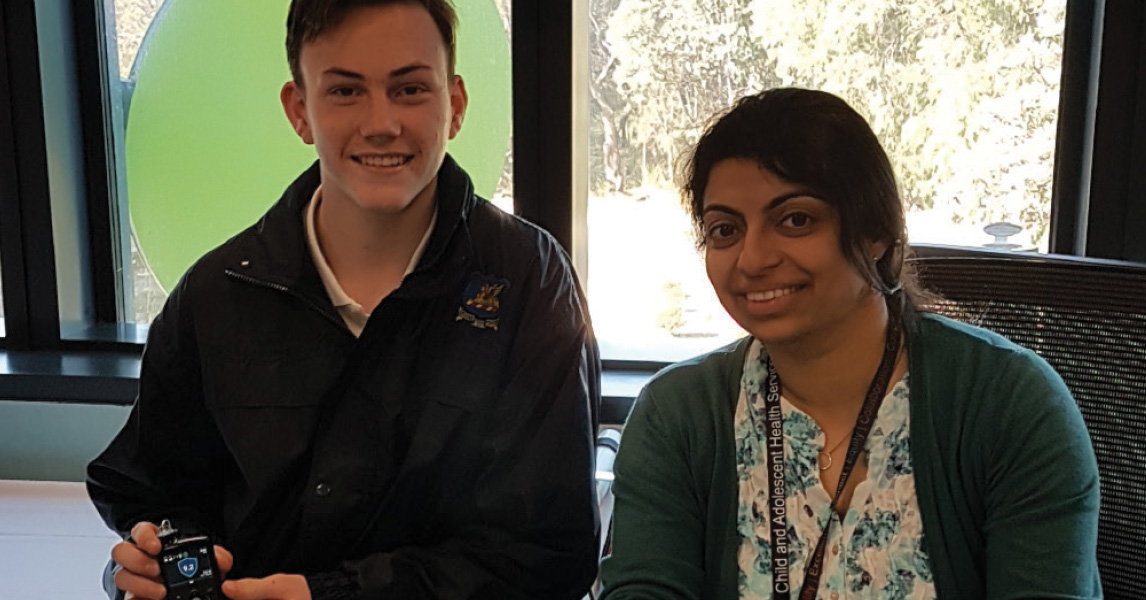
One hundred years after the discovery of insulin, technology advancements are being heralded as the dawn of a new era for managing type 1 diabetes (T1D) in young people.
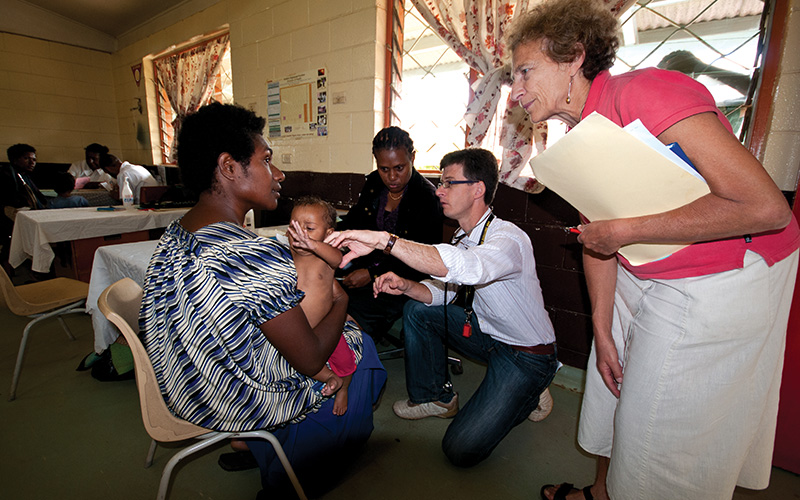
New research has revealed the extraordinary impact of a collaborative project between The Kids Research Institute Australia and the Papua New Guinea Institute of Medical Research, with rates of hospitalisation for pneumonia dropping by nearly 60 per cent thanks to the introduction of the pneumococcal vaccine
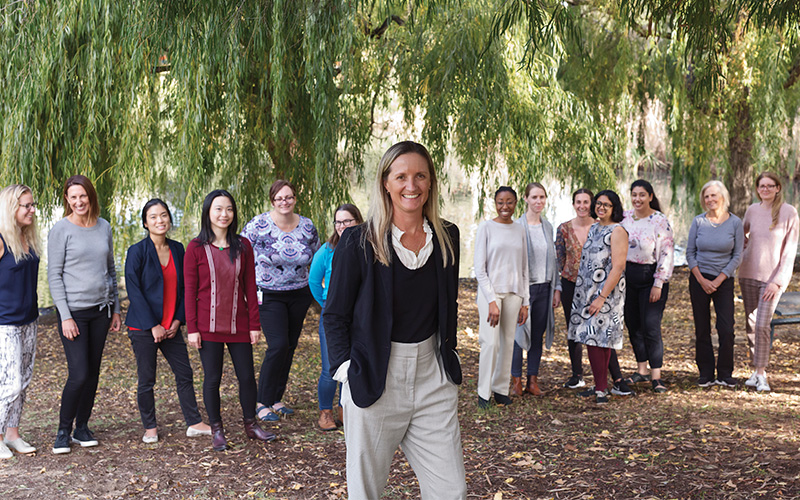
The Kids Research Institute Australia researchers are urging governments to listen more to what kids need.
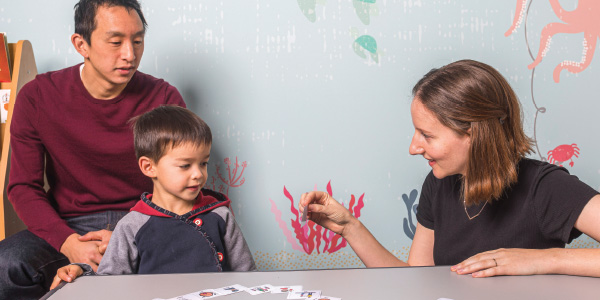
A long-held belief linking gut bacteria to autism has been debunked by an Australian research team that included researchers from CliniKids at The Kids Research Institute Australia.

When Perth mum Lacy Swan’s daughter Charlotte failed the newborn hearing test at 3 days of age, the medical team explained it could simply be due to fluid on the ears.
Language is one of the most remarkable developmental accomplishments of early childhood. Language connects us with others and is an essential tool for literacy, education, employment and lifelong learning.
Streptococcus A is a bacterium often found in the throat and on the skin.
Cancers in children are very different from cancers in adults - in most cases they appear to strike simply at random. They also develop differently and can spread more rapidly and aggressively. And because cancers in children are not obviously linked to their lifestyles, much work is needed to pinpoint their cause.
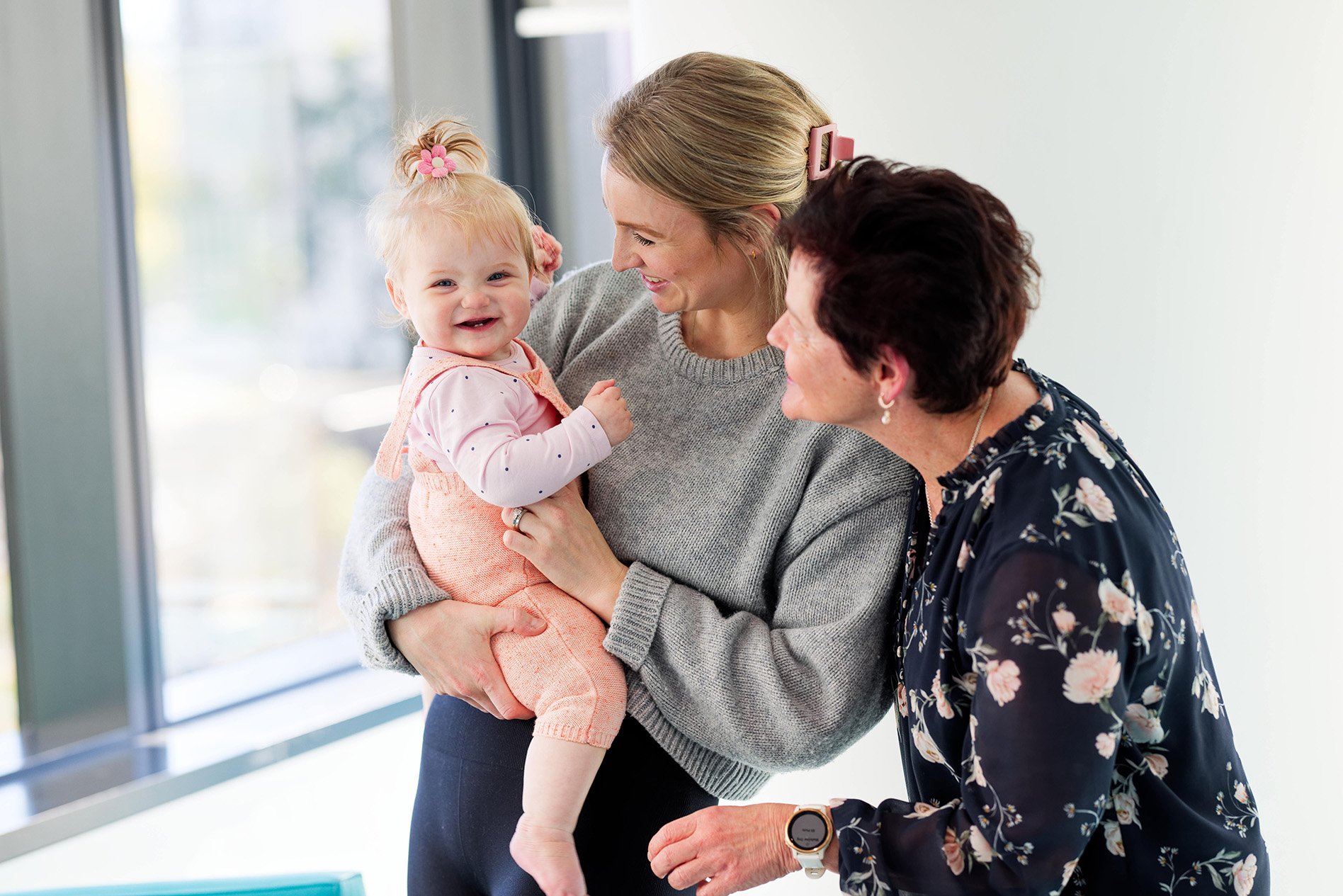
RSV hospitalises millions of babies worldwide every year: our research is helping to change that.
The capacity for children to self-regulate is an important developmental task of early childhood, with caregivers playing an integral role in self-regulation development. While caregivers' emotions and behaviors are known to impact child self-regulatory capacity, the impact of child self-regulation difficulties on parents is less understood.