
Search
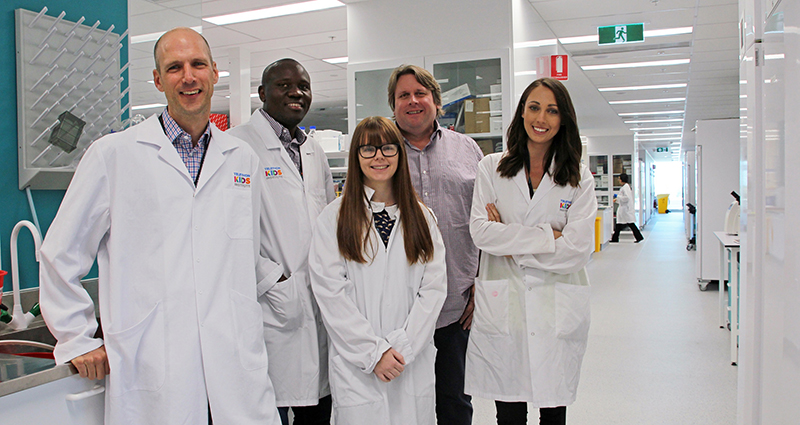
This year for Childhood Cancer Awareness Month, we got to know the sarcoma research team at Telethon Kids.
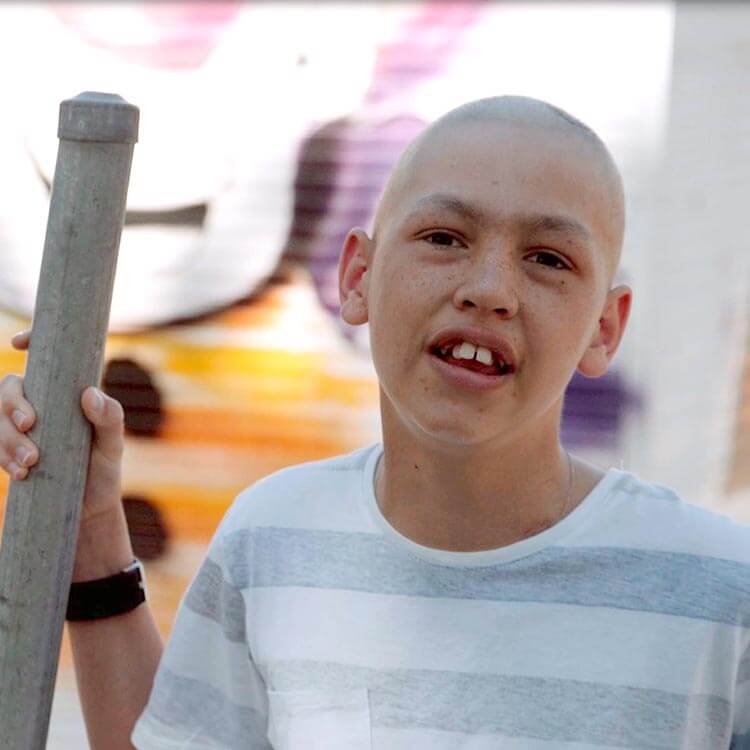
The Cancer Immunology team at The Kids is investigating how the body's 'natural killer' cells can be harnessed to fight cancer – whilst also protecting kids from nasty chemotherapy side effects.
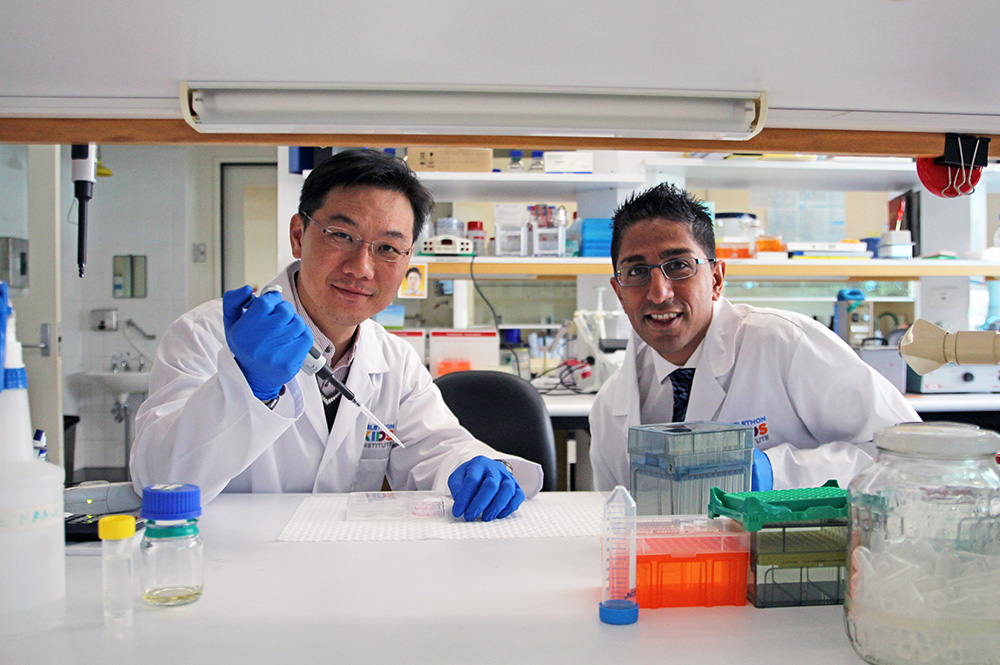
The Kids Research Institute Australia researchers may have unlocked a vital key to reducing the progression of leukaemia in children, potentially prompting a change in thinking around the best way to target treatment.
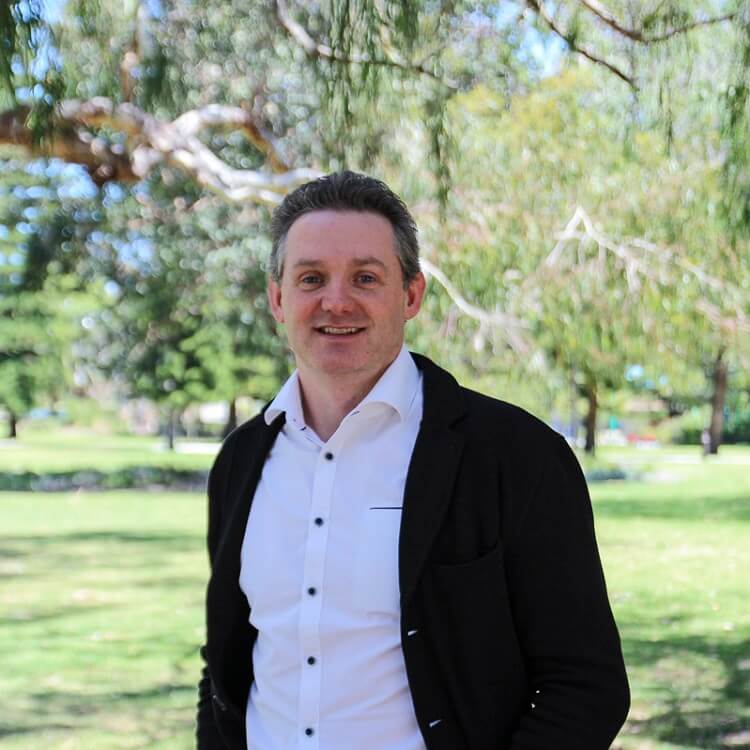
Dr Nick Gottardo, Co-Head of The Kids Research Institute Australia's Brain Tumour Research Team, has been announced a nominee for the 2018 WA Australian of the Year Award
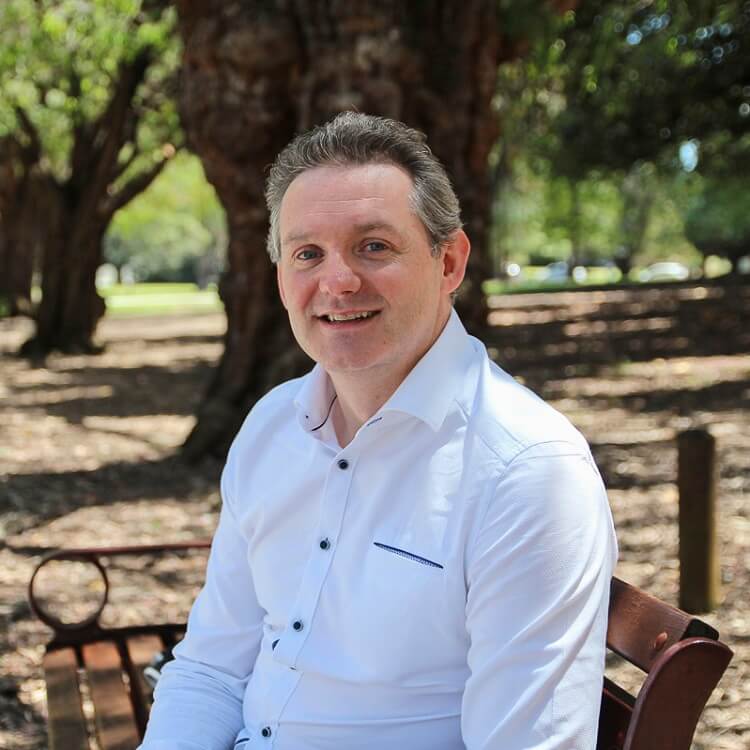
Personalised medicine for childhood cancers in West Australia is a step closer thanks to the Zero Childhood Cancer program’s state clinical trial launched today
The WA Kids Cancer Centre brings together clinicians and researchers working together to defeat childhood cancer.
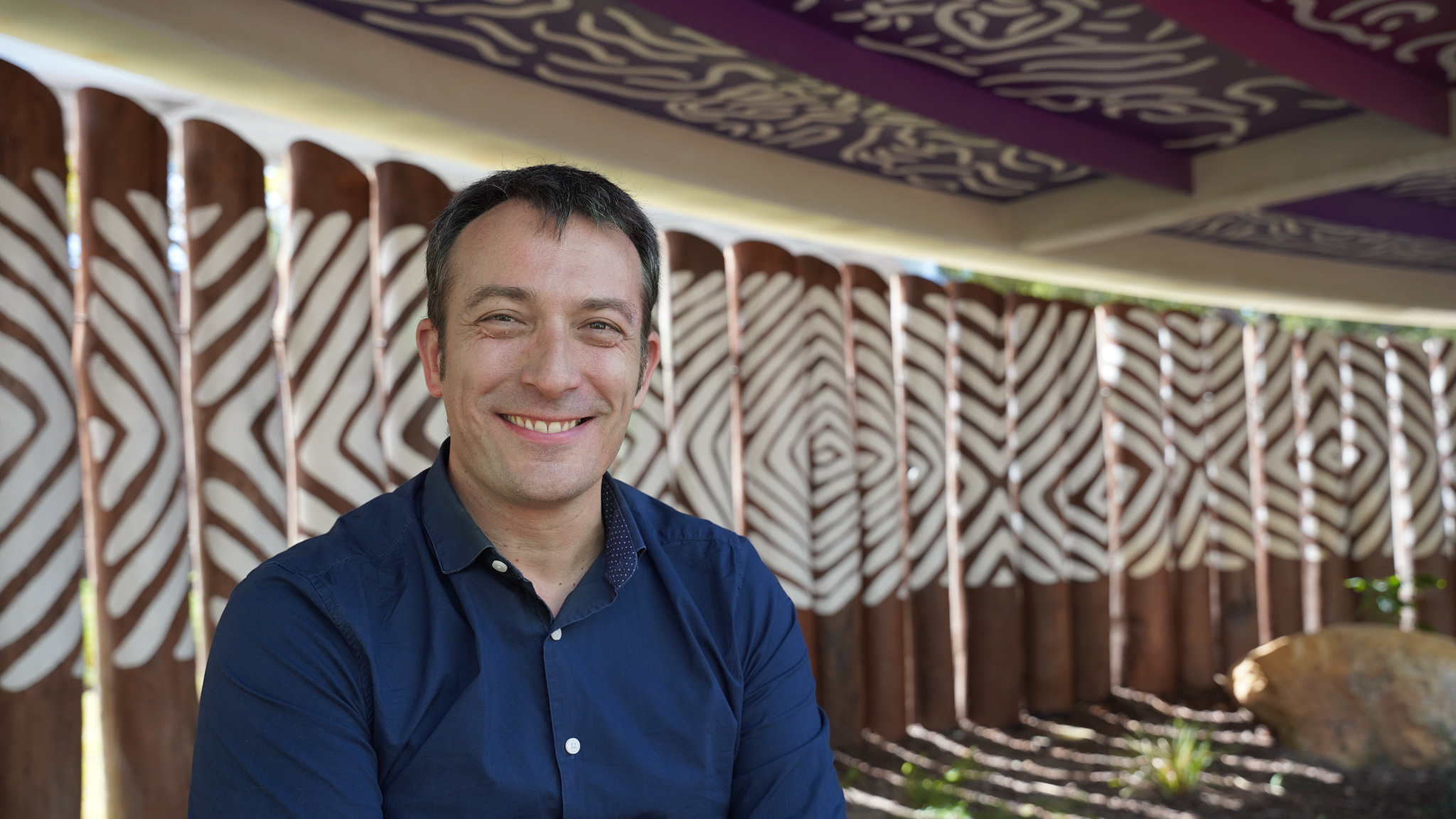
Dr Sébastien Malinge has received a Stan Perron Charitable Foundation Research Fellowship for his pioneering research, which is paving the way for safer, targeted therapies for children with hard-to-treat leukaemia
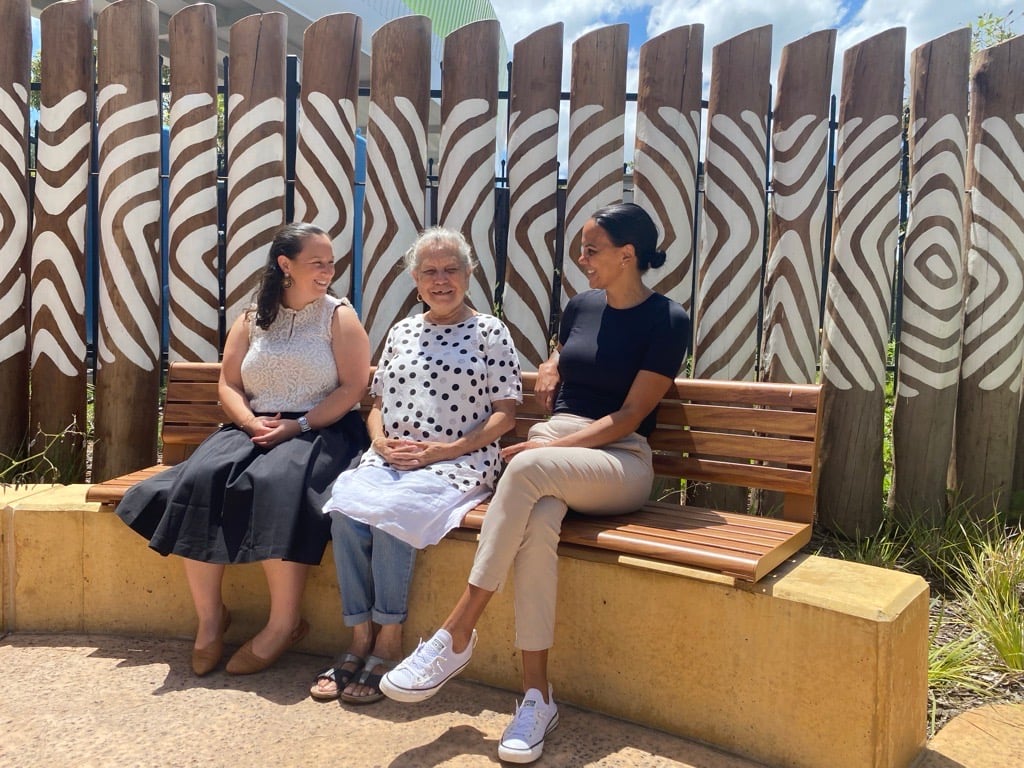
A first of its kind research program at The Kids Research Institute Australia aims to develop new strategies to better treat First Nations children with cancer.
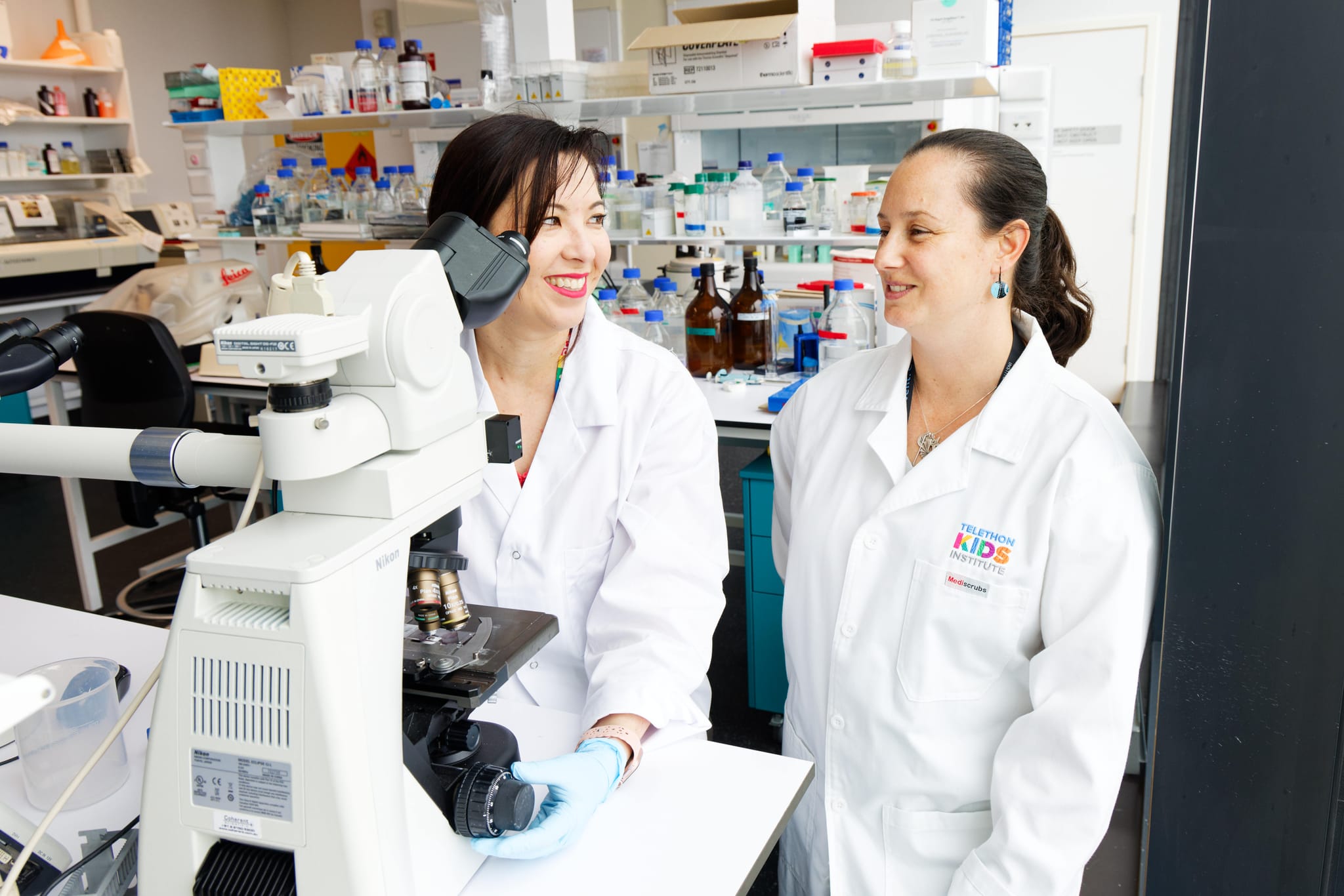
Dr Jessica Buck and Associate Professor Raelene Endersby have been appointed to the prestigious Australian Brain Cancer Mission Expert Advisory Panel.
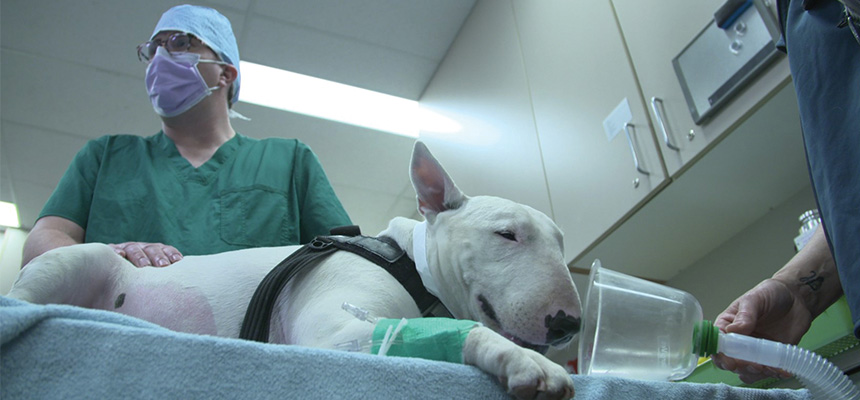
Associate Professor Lesterhuis said the gel, developed with the help of chemists at The University of Western Australia, could revolutionise the way solid tumours were treated.