Search
Research
Two females with mutations in USP9X highlight the variable expressivity of the intellectual disability syndromeThe genetic causes of intellectual disability (ID) are heterogeneous and include both chromosomal and monogenic etiologies.
Research
A qualitative investigation of recovery after femoral fracture in Rett syndromeThis study used qualitative methods to investigate the regaining of mobility in 12 months following fractures in Rett syndrome and parent caregiver experiences.
News & Events
World-first video trial to help babies at risk of autism thriveVideo technology is helping researchers learn more about the early communication style of infants with a family history of autism, ADHD or intellectual disability.
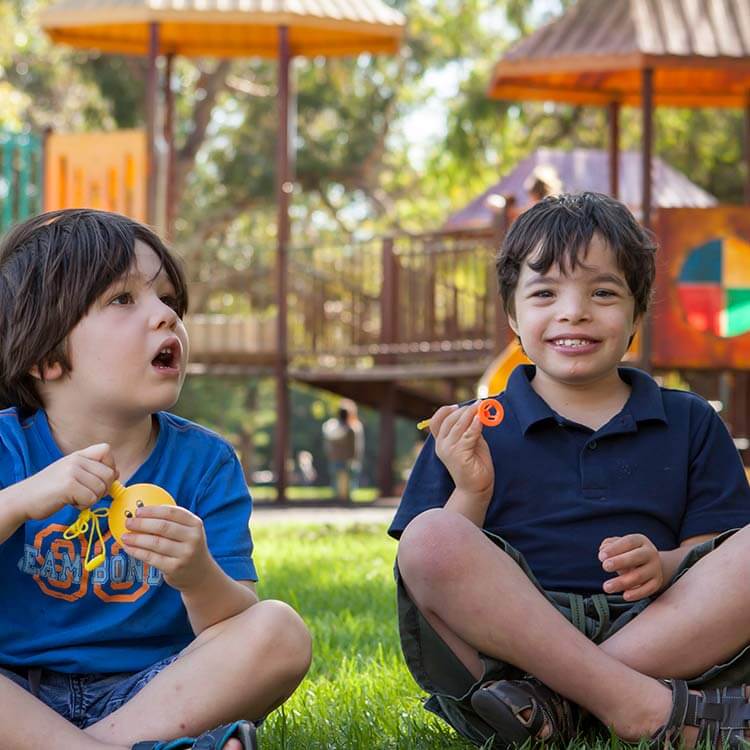
Improving the lives of children with a disability and their families sits at the core of our team.
Research
Twenty-Five Year Survival of Children with Intellectual Disability in Western AustraliaTo investigate survival up to early adulthood for children with intellectual disability and compare their risk of mortality with that of children without intellectual disability.
Research
Expanding the clinical picture of the MECP2 Duplication syndromePeople with two or more copies of MECP2 gene, located at Xq28, share clinical features and a distinct facial phenotype called MECP2 Duplication syndrome.
Research
Feasibility of assessing diet with a mobile food record for adolescents and young adults with down syndromeThe aim was to assess the feasibility of assessing diet with an image-based mobile food record application in 51 adolescents and young adults with Down syndrome.
Research
Impacts of caring for a child with the CDKL5 disorder on parental wellbeing and family quality of lifeInvestigate impacts on maternal health and family quality of life in families with a child with the CDKL5 disorder
Research
Transition to adulthood for young people with intellectual disability: the experiences of their familiesA number of themes emerged from the qualitative data which included parents' views and concerns about the capacity of their young adult to adapt and change to life in adulthood
Research
A fine balance and a shared learning journey: Exploring healthcare engagement through the experiences of youth with Neuromuscular DisordersExplored Youth with Neuromuscular Disorders perceptions of health, health behaviors and healthcare engagement