
Search
Perioperative respiratory adverse events account for a third of all perioperative cardiac arrests, with bronchospasm and laryngospasm being most common. Standard treatment for bronchospasm is administration of inhaled salbutamol, via pressurized metered dose inhaler. There is little evidence on the best method of attaching the pressurized metered dose inhaler to the artificial airway during general anesthesia. The aim of this study is to investigate the best method to deliver aerosolized salbutamol via pressurized metered dose inhaler to the lungs of an anesthetized child.
The aim of this prospective cohort study was to describe the anaesthetic practices, rates of postoperative pain and the recovery trajectory of children having urgent dental extractions at our institution.
With the deadly and highly transmissible SARS-CoV-2 virus causing the COVID-19 pandemic, there is global concern about the danger of contaminating healthcare workers (HCW), particularly during airway management of infected patients.
Obstructive sleep apnea poses as an anesthetic challenge, and it is a well-known risk factor for perioperative adverse events
The relationship between anesthetic technique and pediatric oncological outcomes is an emerging field of interest. With significant improvements in childhood cancer survival in recent decades, there is an increased focus on optimizing the quality of survival and reducing the incidence of metastasis and recurrence. The aim of this narrative review article is to investigate and consolidate the current available evidence assessing the immunomodulatory effects of anesthesia in the pediatric oncology population.
Perioperative anxiety is a common and distressing aspect of anaesthesia for many children, resulting in management challenges at the time of anaesthesia and potential physical and psychological adverse outcomes. We conducted this qualitative phenomenological study to explore the perspectives of children, parents and staff on perioperative anxiety in our institution. Planned recruitment was 20 each of children who had undergone elective anaesthesia, their parents and staff.
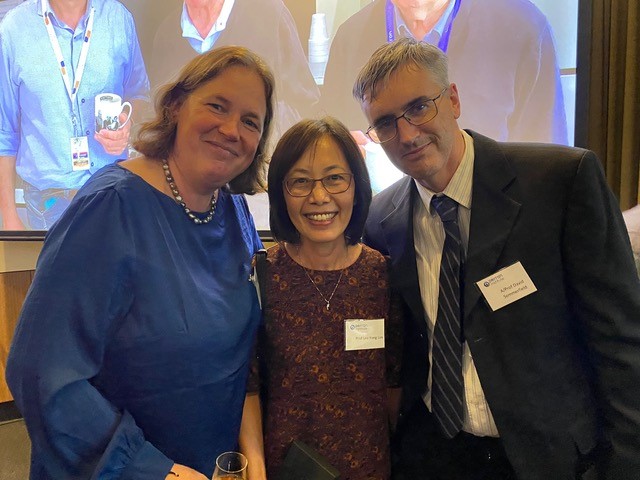
A research team dedicated to making anaesthesia and surgery safer and more comfortable for babies and children has been awarded an inaugural Byron Kakulas Medal by WA’s Perron Institute.

The vision of the Perioperative Medicine Team is to make discoveries that will improve children’s perioperative care and lead to global practice change.
Children with difficult tracheal intubation are at increased risk of severe complications, including hypoxaemia and cardiac arrest. Increasing experience with the simultaneous use of videolaryngoscopy and flexible bronchoscopy (hybrid) in adults led us to hypothesise that this hybrid technique could be used safely and effectively in children under general anaesthesia.
Flexible bronchoscopy is the gold standard for difficult airway management. Clinicians are using videolaryngoscopy increasingly because it is perceived to be easier to use with high success rates. We conducted this study to compare the success rates of the two techniques when used after failed direct laryngoscopy in children with difficult tracheal intubations.