
Search
Showing results for "early life"
Respiratory syncytial virus is pervasive across multiple severity levels and diagnoses. Vaccines targeting children <3 months must be prioritized
The burden and consequences of skin infections for remote living indigenous people are high
In 2016, with enabling donations from Denby Roberts, Stan Perron, Wesfarmers and Centurion, the Institute established a permanent presence in the Kimberley.
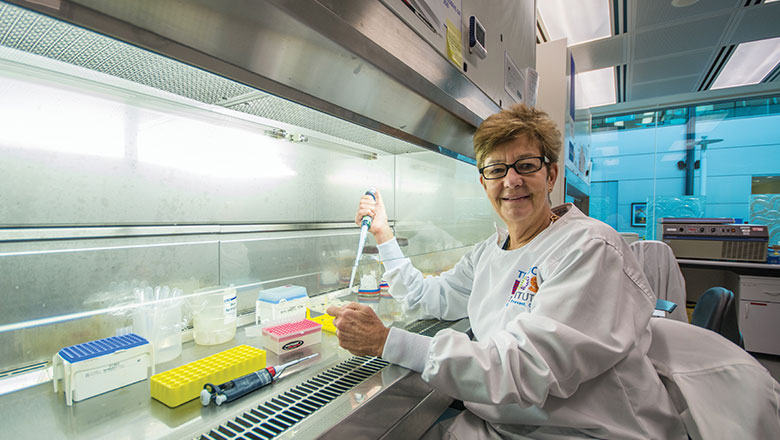
The D-Light program, set up in 2014, aims to shed light on the amount of sun exposure that will promote good health in children and adolescents.
Infection accounts for the majority of pediatric mortality and morbidity in developing countries, but there are limited data on the infectious diseases...
We investigated trends in invasive pneumococcal disease (IPD) in Western Australia (WA).
Our findings highlight the need to consider age, ethnicity, seasonality and climate when evaluating rotavirus vaccine programs.
Asha Jacinta Bernadette Bowen Walton Ricciardo BA MBBS DCH FRACP PhD GAICD FAHMS OAM MBBS (hon) DCH FACD Head, Healthy Skin and ARF Prevention
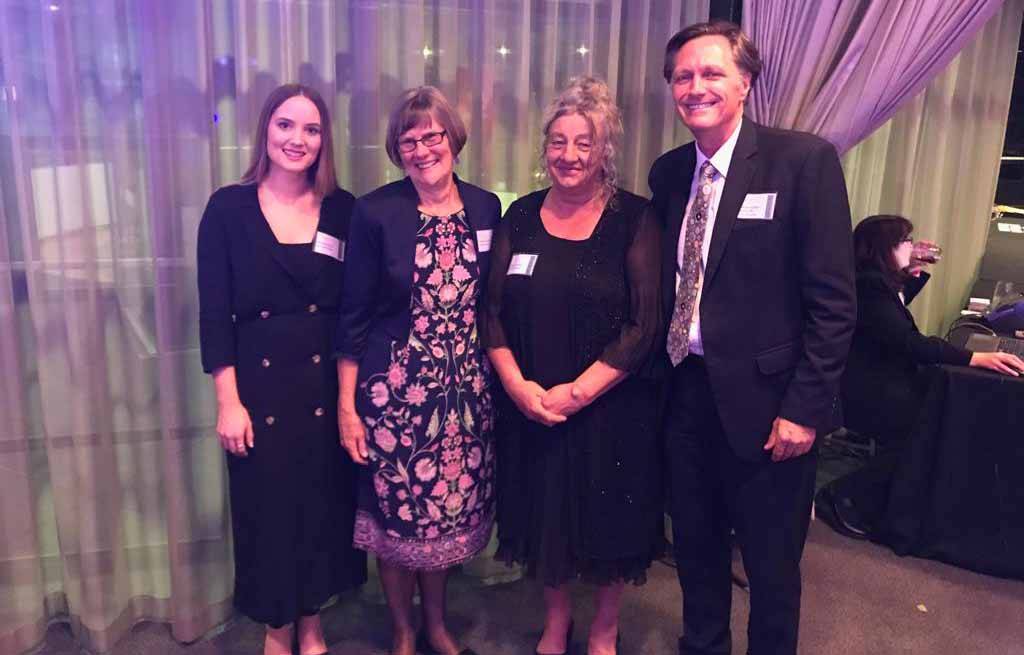
A The Kids Research Institute Australia researcher devoted to Aboriginal health and justice has been named the inaugural Shell Aboriginal STEM Student of the Year at the 2019 Premier’s Science Awards.
Adolescents with features of metabolic disorder or insulin resistance show impaired testicular function and altered hormone levels