
Search
Stopping Acute Rheumatic Fever Infections to Strengthen Health

Be involved in the Sibling Snapshot Project! Researchers from The Kids Research Institute Australia are conducting research which explores the unique
Recent evidence indicates that a child’s home learning environment is the strongest predictor of success in later reading abilities and that for children not receiving structured language and reading support at home.
Kaal is a proud Noongar boy, he loves playing football, but this season Kaal is about to tackle a new and unexpected challenge… eczema.
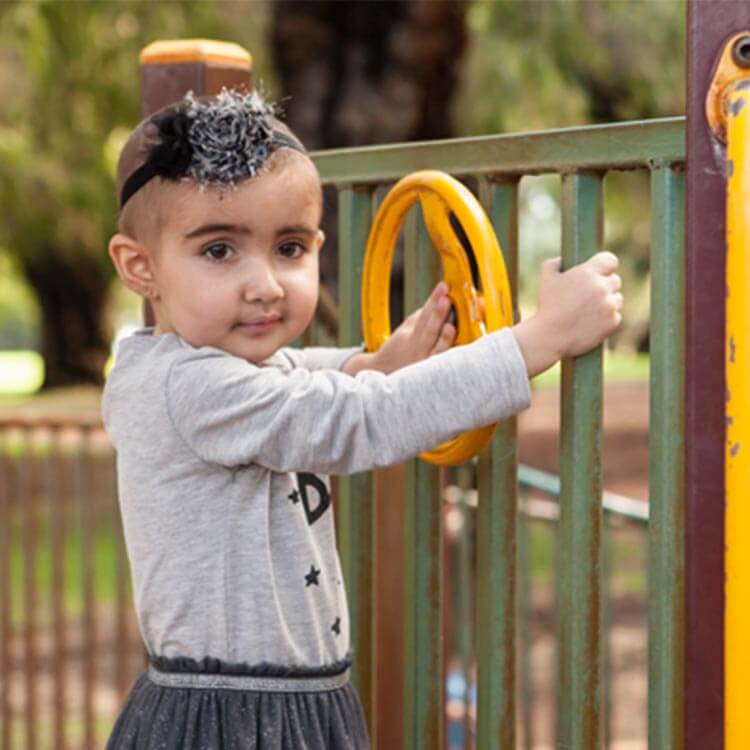
This evaluation explored the facilitators & barriers that influence Community Playgroup attendance, and the impact of attending playgroups on child development.
Christopher Kefyalew Hannah Blyth Alene Moore MBBS (Hons) DCH FRACP FRCPA PhD BSc, MPH, PhD OAM BSc (Hons) GradDipClinEpi PhD Centre Head, Wesfarmers
Researchers at the Institute were engaged to undertake the National School Readiness Project, which aimed to describe current practice across education authorities in assessing or describing child development status at school entry and use evidence to identify areas where the scope/quality of curren
We need your help to know whether our ideas and study materials are good, easy to read and presented in the right way.
Investigating what risk does underlying trimethoprim resistance pose for the development of cotrimoxazole-resistant skin infections.
Goal: Characterize the pattern of contemporary and endemic ARF and develop a biological signature to improve sensitivity and specificity of ARF diagnosis.