
Search
Early infancy is a critical period for immune development. In addition to being the primary food source during early infancy, human milk also provides multiple bioactive components that shape the infant gut microbiome and immune system and provides a constant source of exposure to maternal microbiota. Given the potential interplay between allergic diseases and the human microbiome, this study aimed to characterise the milk microbiome of allergic mothers.
Ingestion of prebiotics during pregnancy and lactation may have immunomodulatory benefits for the developing fetal and infant immune system and provide a potential dietary strategy to reduce the risk of allergic diseases. We sought to determine whether maternal supplementation with dietary prebiotics reduces the risk of allergic outcomes in infants with hereditary risk.
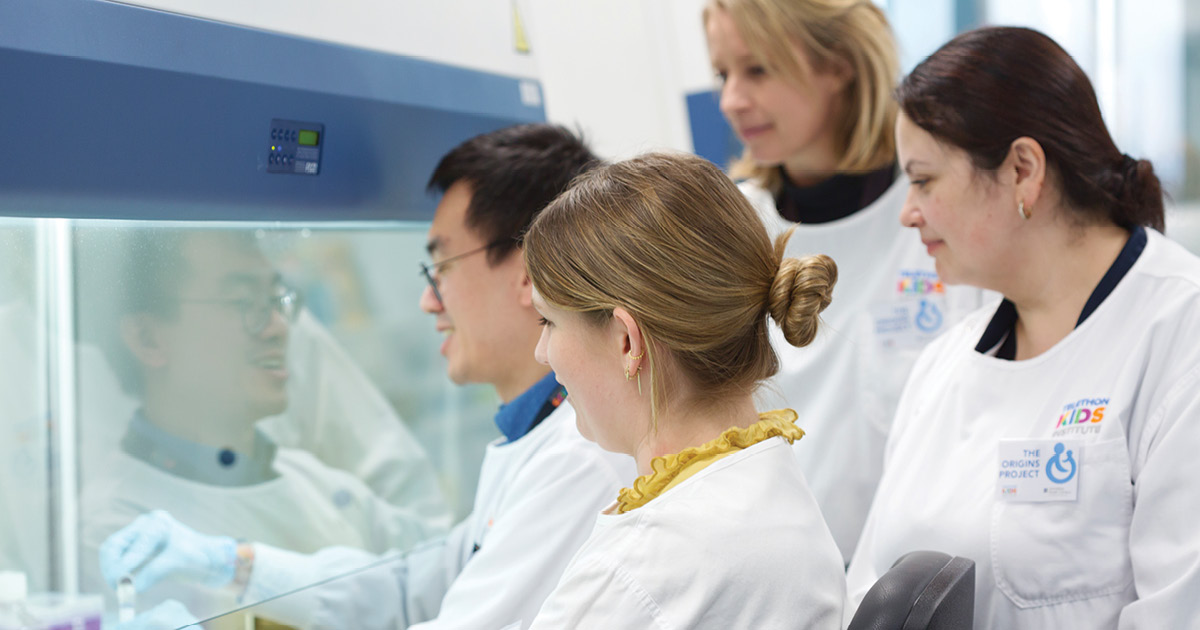
What if researchers could shop for different data to help uncover how, when and why chronic conditions such as asthma, obesity, allergies and poor mental health develop?

Research data from more than one million Australian and Welsh children will be examined to help better understand how the built environment affects child health and obesity, as part of an international research project to be co-led by The Kids Research Institute Australia.
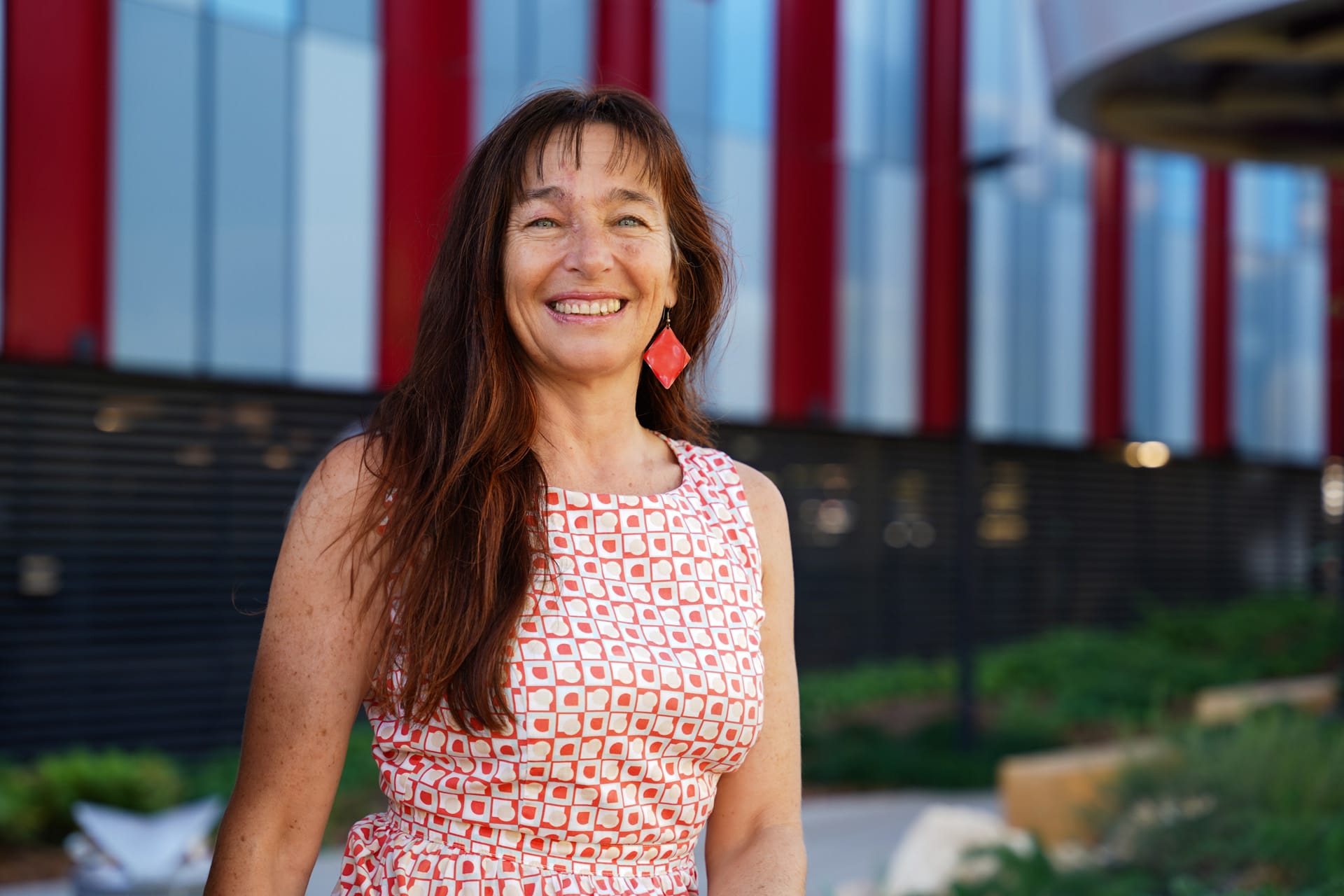
First-of-its-kind findings show that newborns exclusively fed colostrum in their first 72 hours of life were five times less likely to develop a peanut allergy by 12-18 months, and 11 times less likely to develop multiple food allergies (such as egg or cow’s milk) compared with infants who also received formula
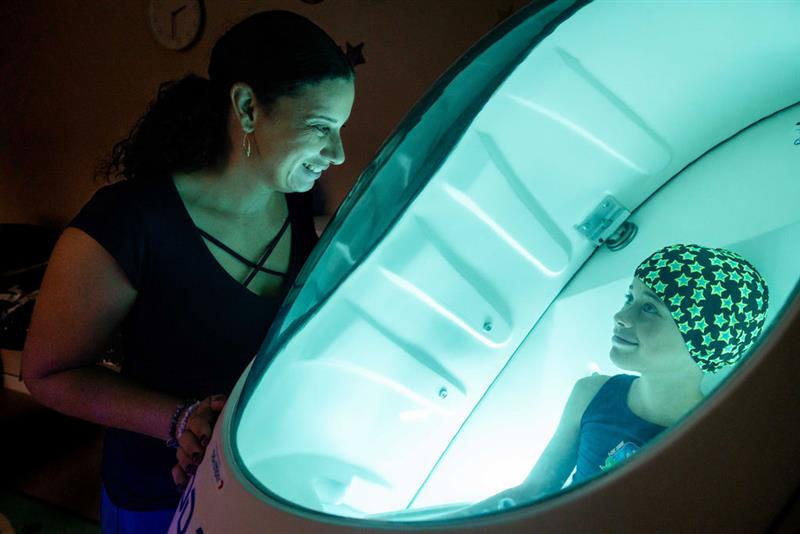
ORIGINS, the largest longitudinal cohort study of its kind in Australia, delivered in partnership between The Kids Research Institute Australia and Joondalup Health Campus, has received $1.5 million funding from the Minderoo Foundation.

At The Kids Research Institute Australia, we have a dedicated and diverse team of over 1,000 staff, students and honorary researchers.
The WA Kids Cancer Centre brings together clinicians and researchers working together to defeat childhood cancer.
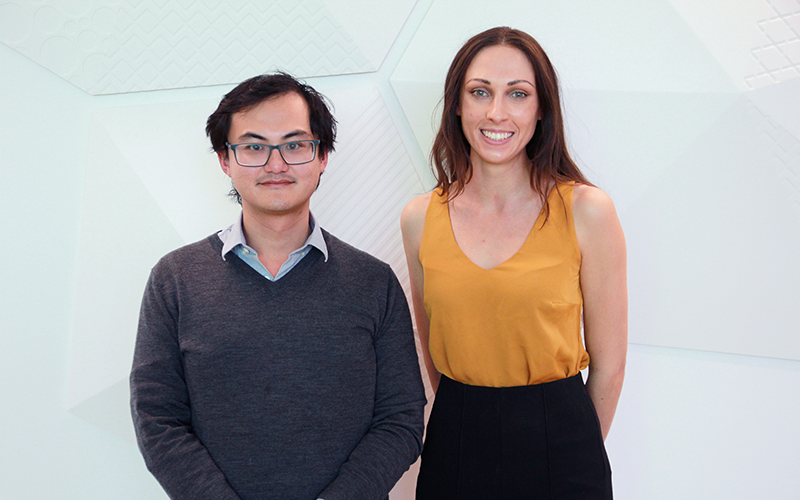
Researchers have identified key differences between cancers that respond to immunotherapy and those that do not.
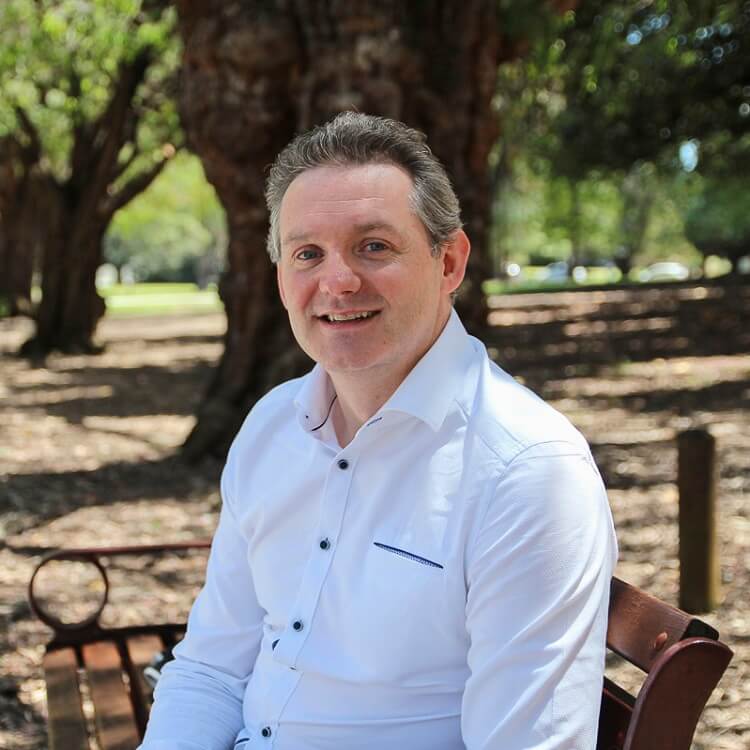
Personalised medicine for childhood cancers in West Australia is a step closer thanks to the Zero Childhood Cancer program’s state clinical trial launched today